“404[Snow],” “Equinox Lily,” and “Unknown Algorithm”
“Do Not Disturb” — active
Yet a cunning code still pierces
Viciously, into cloud files — memory/hate/love
Restore automatically if:
Emotional thunderstorm detected
![Featured image for ““404[Snow],” “Equinox Lily,” and “Unknown Algorithm””](https://thewritelaunch.com/wp-content/uploads/2025/10/snow.jpg)
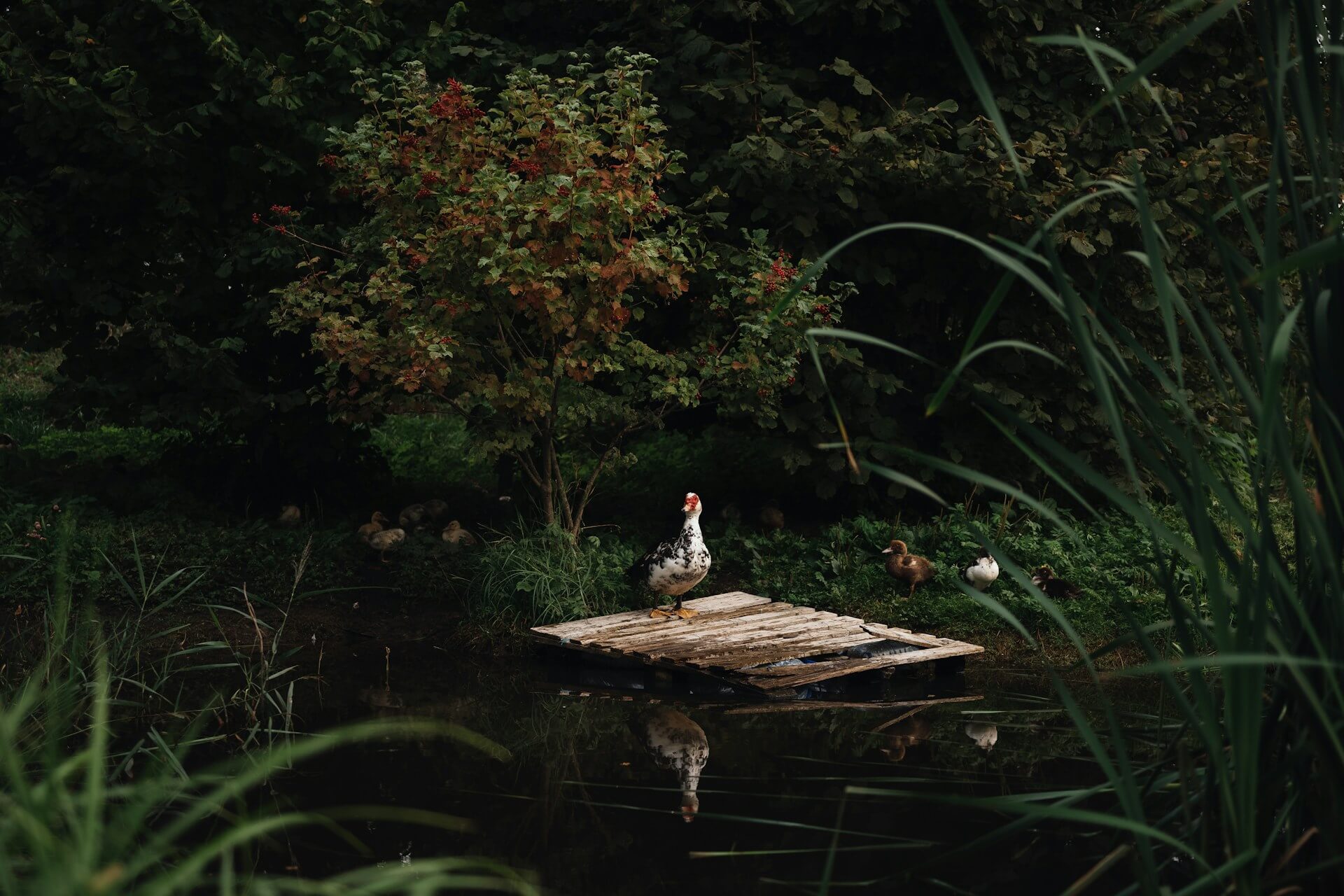
“Do Not Disturb” — active
Yet a cunning code still pierces
Viciously, into cloud files — memory/hate/love
Restore automatically if:
Emotional thunderstorm detected

In Richmond, the trees are not where they should be. In their gangly adolescence, each was planted in a rectangular bed along the curb; situated 40 feet apart, the beds leave ample space for the canopies to spread, but measuring six-by-eight-foot, they are perhaps too small for the lower half. The roots of the oldest trees, older than the inhabitants who live indoors, have extended from their little box and into the sidewalks, creating fault lines for us to leap over.

Leo positioned the stylus gently on the vinyl record, delighting in the peculiar little crackle signifying the start. The inexpensive turntable was his first purchase when he arrived in New York, and it made his dorm room cozier. He swung his legs up on the bed and pillowed his hands behind his head. A piano, followed by a violin, playing “Yo Soy Maria” by Piazzolla, an Argentinian composer.

Mother took the photo
With a Kodak Brownie box-camera;
The black-plastic handle,
Gray knobs of the 1947 model.
In the square view-finder lens,
Upside down

I’ve spent weeks painting these walls. Spent weeks painting this shack, inside and out. Spent weeks, now, learning this place: this house, this garden, this street, this town. Already, I’ve memorised the view from the end of my road: a ravaged curve of mountainous coast crooked around the edge of the bay; a bay that opens out to the ocean; an ocean that pours into the southern hemisphere which makes up the bottom half of this godforsaken world.

Deep in the heart of the countryside
The tiny sturdy two-teacher school stood
Hidden between the tall trees and fading footsteps.
Many years ago, it finally closed its doors,
To all except for the traveling vagrants
Scurrying mice, spiders, wasps and black crows.

Mike was mean as a snake, except when she decided she wasn’t. Then she was sweet as pie. She could be an in-between kind of nice too, but that was mostly for waitresses and old ladies and neither of us ever found that very interesting. Mike was beautiful, stunning actually, and understood the leverage this gave her with both sexes, though it was the advantage she pressed least.

How could they have missed it? Surely there was
wetness and rising tides, juices that rampaged
in spring, stamens and carpels in the garden,
swelling and presenting. A whole paradisiacal world

A second weather alert convinces Mary Carruci, the executive director of Camp Rapture, to shine her flashlight at the rain pelting the river. Crossing a puddle in sneakers, shorts and a tank top, she tilts her umbrella toward the wind and heads from her office to the road, where lightning reveals the river’s steady flow. She follows the asphalt up to the bridge and stops breathing when a sheet of water rounds the bend and skirts the river’s surface.

Don’t go stalking my spirit
when I pass.
Let me fly so you can go on.
The end is the end, but it isn’t, too.

A faint waxing half moon of pink has risen
temporarily (I hope) where I gouged
my forehead on a painted hook screwed
into the door upon which to hang a holiday wreath

When I die, bury me in a bright red dress,
the colour of the blood that pushed through my veins
the fire of life and love’s caress.
When I die, bury me with red bright lipstick on,
to dilute the grayscale of mourning
brought by the passers-by.

My aunt had a dear friend named Clara Sandoval
But my mother did not approve of her at all.
One day when we were alone, momma said:
“I do not like that Clara Sandoval.”
She added “and I don’t want you to trust her either
No matter how much chocolate she brings you.”

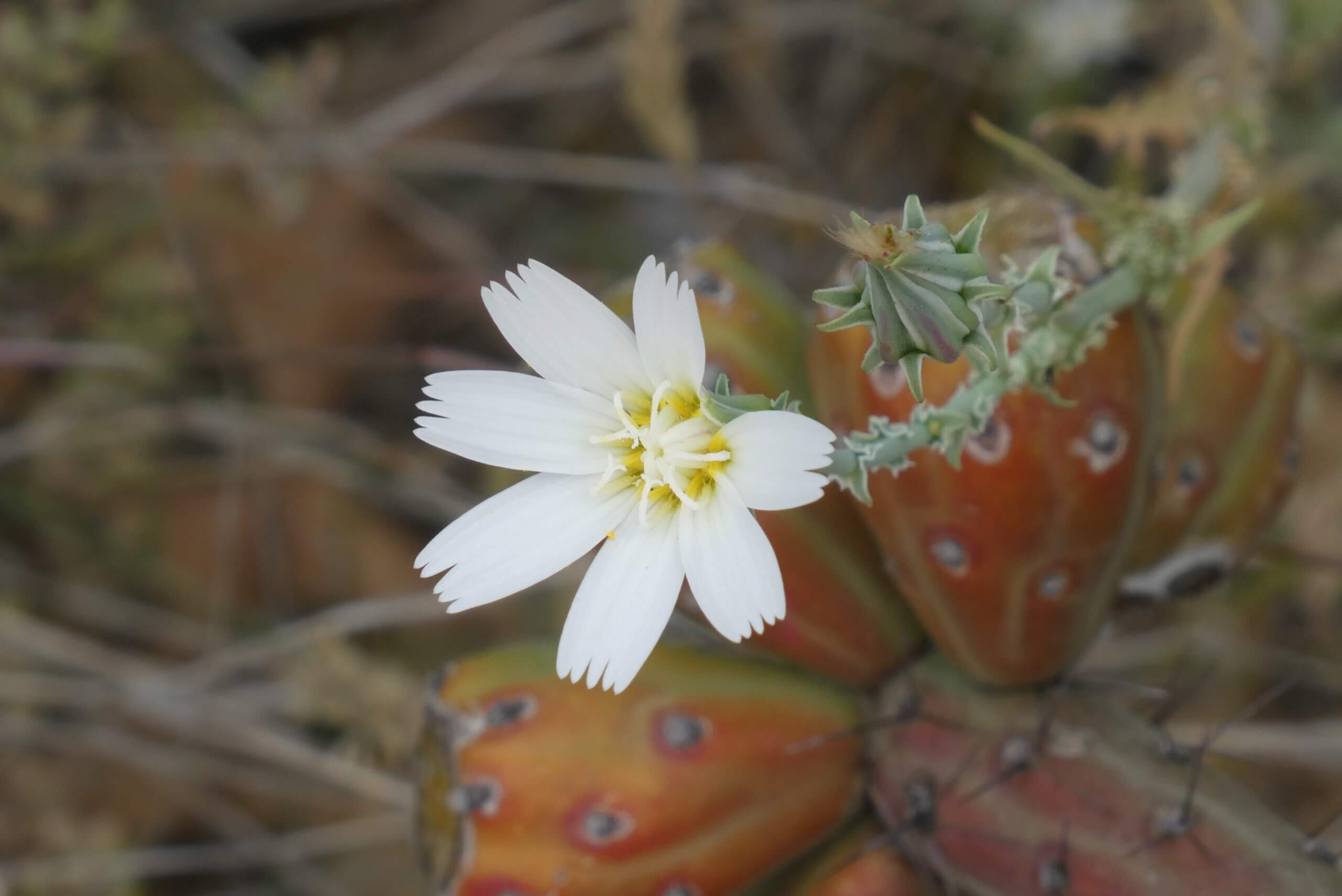
In the last several months, I have been exploring minimalism as a way of projection and abstraction in my photography. The simplicity of minimalism reduces nature to its essence to reveal the underlying beauty of structure and form. These three images were made while hiking trails in the Sonoran Desert.

Many years later, as he faced the firing squad, Colonel Salvador García was to remember that distant afternoon when he had witnessed the slaughter of the pipil natives and had said nothing. For years he had assuaged his conscience by telling himself it was the Indian rebels who had instigated the violence, that it was his obligation as a Colonel in the Salvadoran Army to quash the rebellion. After all, it was the pipil peoples who had provoked the two-day war by fiercely attacking the white landowners, burning down their homes and executing entire families in a frenzy of violence. What response did the Indian peasants expect, if not repression?

When you live in the desert, there is no sound sweeter than the gurgle of water—whether from a spring, a river, a pipe, a bottle, or even a 55-gallon water barrel like those we refill as volunteers with Humane Borders. It’s that deep-throated rolling sound that announces the flow of water from one place to another. A crisp sound, a cheerful woofling, a clear and noisy slurping that invites curiosity and excites desire. You are alive.

Spearing the oil-sheen shell,
the feathered and gossamer wing,
the snail-curved scales,
Marley pins their still life
now dead, arrays in prismatic
patterns like Fibonacci,
recaptures their stained-glass flight.

Marilyn’s sharpest memories were shaped like five in the morning, dark silhouettes moving across a cold house with curved, sleep-deprived back and cyclical possibilities. Her mother in this same house, padding through the kitchen in her thick socks as she packed. Coffee in the thermos, breakfast in the pail. She kept her boots outside the door, and Marilyn watched her from the loft in their little A-frame house, her body wedged between two of her brothers in the bed they all shared.

The passengers of the Titanic were an ethnic mosaic of humanity. In the years following the sinking, the demographics of the great ship began to be studied and scrutinized. A documentary entitled The Six, about the Chinese passengers on board the ship, was released in 2020. James Cameron’s 1997 film also gave notice to the many languages and nationalities that had boarded. One question, however, kept coming up among historians, sociologists, and general Titanic enthusiasts such as myself: were there any Black people on the Titanic?

I had been plotting my escape from Valeria for many months before I actually did it. Maybe she was plotting as well, each of us secretly planning our way out. We were both exhausted from our near daily drama, like a marathoner in mile 25, but with no finish line. The fights had lost any real meaning. We were fighting because that’s what we did. Their only purpose was to provide the toxic nourishment that fuels dysfunctional relationships.

It seems as if you still stroll across a fallow field,
Walking forever past all the things Nirvana offers,
And you stumble onto the right words that take
Their place around the Great Mandala,
And the air that rises on the road you left behind,
And everything that cannot speak after you—Now

Color, like life, can be enigmatic. It often attracts, frequently lulls, and sometimes tricks one into assuming one thing while the opposite is actually in play. Take the lush carpet that covers so much of the jungle floor throughout Cambodia. Its mesmerizing greens of sugar palms and high grass seemingly mingle innocently with purple cockscombs, yellow rumduol, and red hibiscus. One would surely think such beauty is indicative of the peace and serenity that resides there.

Amid the restrictions of COVID-19, Paul and I meet over Zoom. A priest, professor of law, husband and father, Paul greets me warmly, revealing his Canadian accent. Paul, who teaches law at the University of Adelaide, has recently been named the holder of the Bonython Chair in Law – the ninth Chair since the Law School’s establishment in 1883.

The only person I ever punched in the face is dead. His name was Seneca, like the old Roman philosopher. About the time I read his obituary, I died too.
I was working night watch at a GM plant outside of Detroit and, thermos full of hot water and backpack full of teabags and textbooks, I attended university in the mornings. Nine a.m., Ancient Greek. Latin right after. Then some history classes. On a welcome spring break my senior year, I arranged to have my wisdom teeth removed.