Aphrodite and Antigone
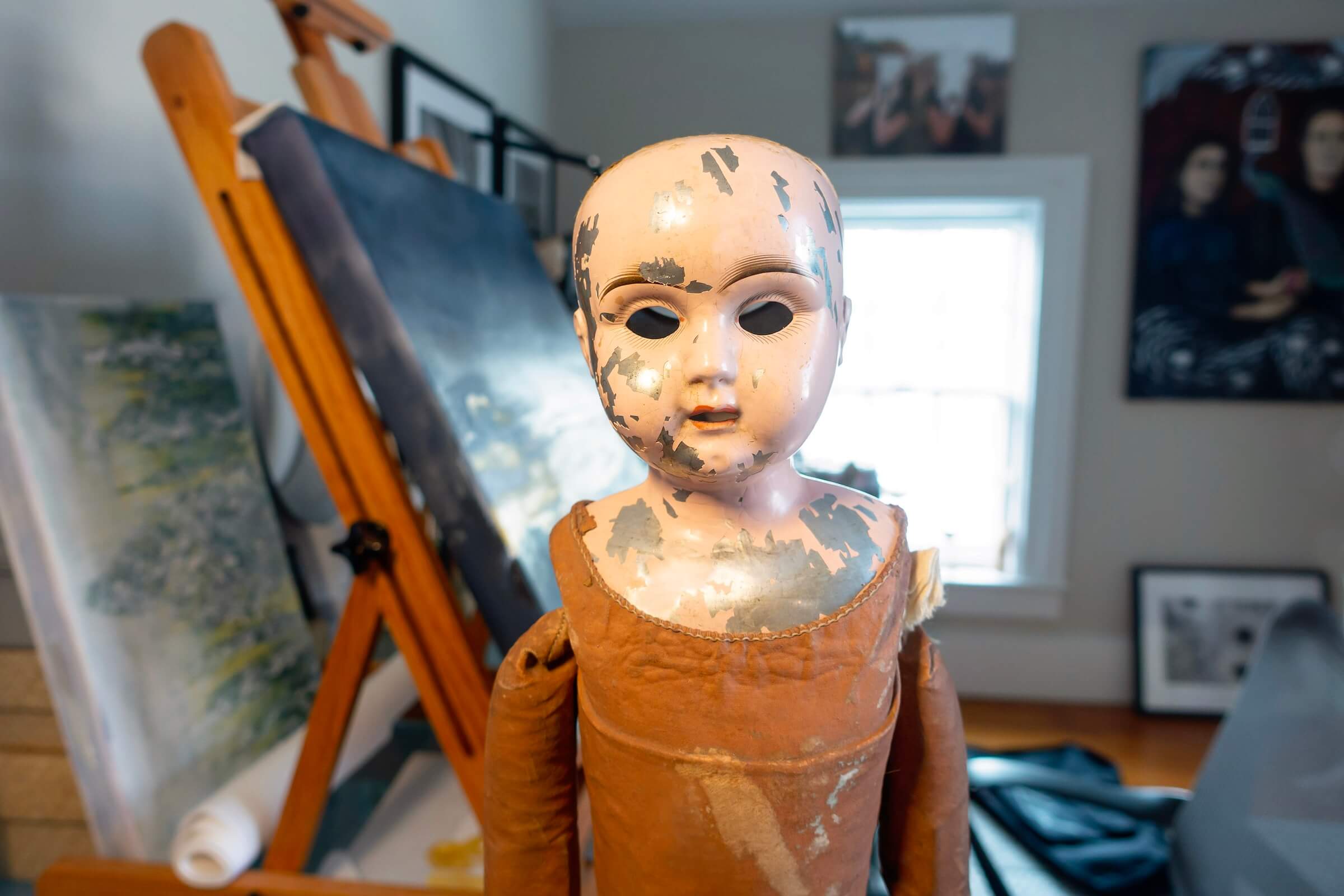
It falls under myth
because it’s the kind no one talks about.
Because Pygmalion grew into something larger than himself, the story touches of marble,
cold and taut, now trope-like and cheap.

It falls under myth
because it’s the kind no one talks about.
Because Pygmalion grew into something larger than himself, the story touches of marble,
cold and taut, now trope-like and cheap.

The word “Books” has a few meanings in my view. Books could mean the following: a rectangular cover folded in the middle with sewn pages inside it, an item with a story, collection of text in an orderly composition that has a beginning, middle, and end. Reading books, in my opinion, is an escape from reality.

My son’s twenty-eighth birthday was the toughest of his birthdays. Birthdays, anniversaries are difficult for me. They remind me not only of the movement of time, but of all the beloveds I have lost.
Too often, I believed I had lost him.

On our way to the family reunion west of Yorktown, Texas, we stop at Uncle Anton and Aunt Frieda’s house. Inside, my sister and I wander among the tumbled syllables of German. It is a language we can no more comprehend than the calls of cows and sheep and chickens.

You keep writing in the second person. Why do you keep doing this? I keep writing in the second person. Why do I keep doing this? Interesting, how a shifting pronoun can turn a question into an accusation—transform a benign enquiry into a bludgeon.

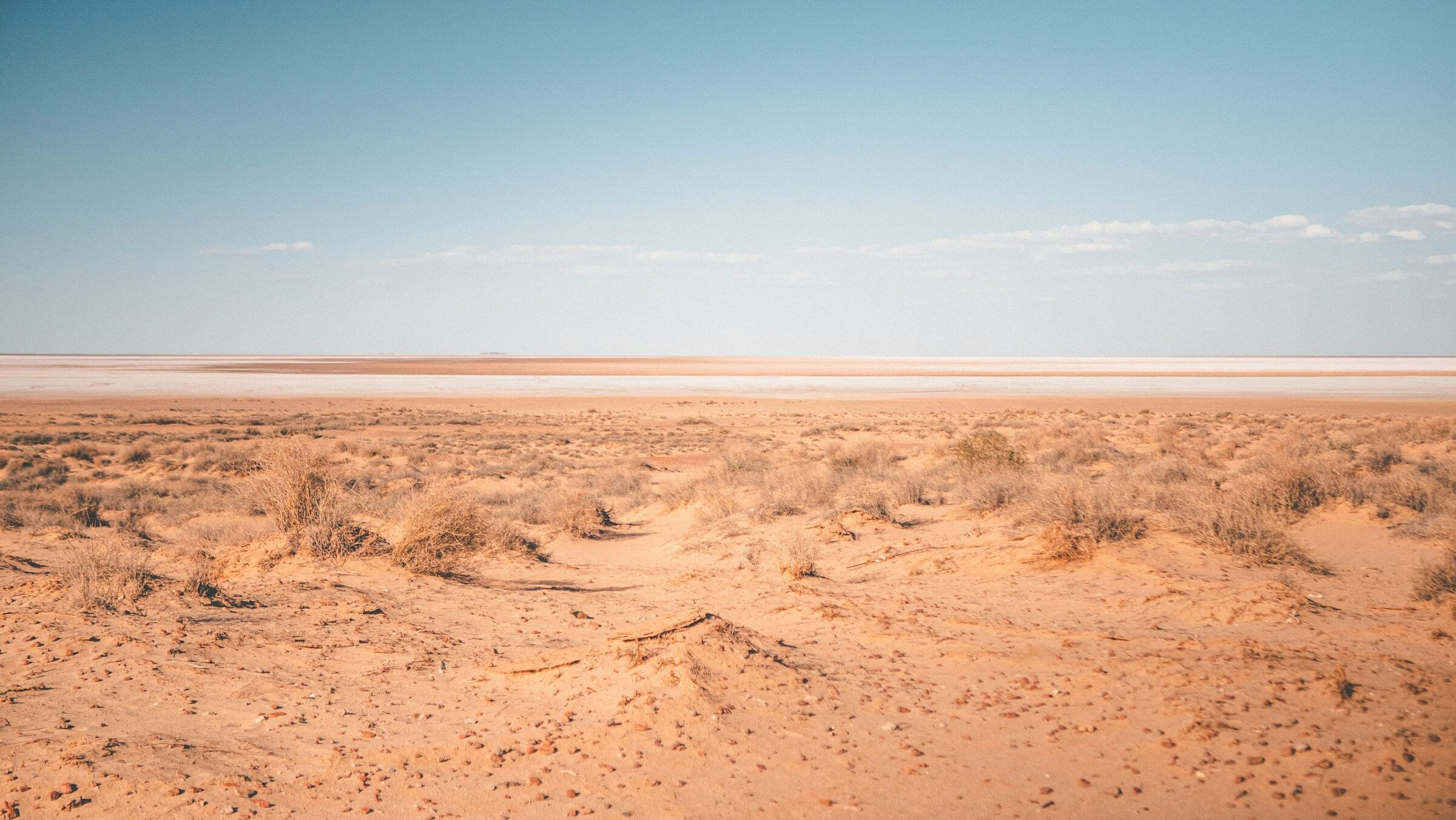
Father Tom’s spiritual awakening struck in the desert. It was the 1960s and Tom was working in Woomera – an area of the South Australian outback harbouring military secrets. “It was a wild time, the 60s. I spent a lot of time partying, playing football, and pursuing women,” Tom tells me as we sit in his living room cluttered with books.

My father told anyone who would listen that he was an atheist, a foil to his mother’s church immersion. Chanting “Jesus, Mary and Joseph,” clutching her rosary as Dad rushed our rented Ford Mustang through a Miami Beach thunderstorm, she frightened me with her fear.

They laid my mother on the table, a sheet to cover her face from seeing the belly once kissed by men on warm, tropical nights. It looked so different now, sterile. The freckles dotting her pale round belly looked like an infection rather than the constellations. The doctors inserted a scalpel and held plastic buckets on either side, careful to not let the blood spill onto the floor.

As a child, I believed I was special. I grasped complex ideas quickly, asked questions about reality that my peers never considered, and felt destined for greatness.
But as I grew older, life had a way of dissolving those ideas. Not that I was unhappy—I had a great wife, great kids, joyful moments—but something was missing. A dull ache in my chest, a heaviness in my eyes—surfacing at odd moments, unbidden.

On Dana Street in North Berkeley, unhoused men and women huddled under a church awning in the morning downpour. I looked away, then forced myself to cross the street, raising my voice over the pounding rain.
“This weather is awful,” I said, shivering, water running under my collar, trying to sound casual, though I likely came across as what I was: guilty and entitled.

In Richmond, the trees are not where they should be. In their gangly adolescence, each was planted in a rectangular bed along the curb; situated 40 feet apart, the beds leave ample space for the canopies to spread, but measuring six-by-eight-foot, they are perhaps too small for the lower half. The roots of the oldest trees, older than the inhabitants who live indoors, have extended from their little box and into the sidewalks, creating fault lines for us to leap over.

When you live in the desert, there is no sound sweeter than the gurgle of water—whether from a spring, a river, a pipe, a bottle, or even a 55-gallon water barrel like those we refill as volunteers with Humane Borders. It’s that deep-throated rolling sound that announces the flow of water from one place to another. A crisp sound, a cheerful woofling, a clear and noisy slurping that invites curiosity and excites desire. You are alive.

The passengers of the Titanic were an ethnic mosaic of humanity. In the years following the sinking, the demographics of the great ship began to be studied and scrutinized. A documentary entitled The Six, about the Chinese passengers on board the ship, was released in 2020. James Cameron’s 1997 film also gave notice to the many languages and nationalities that had boarded. One question, however, kept coming up among historians, sociologists, and general Titanic enthusiasts such as myself: were there any Black people on the Titanic?

Amid the restrictions of COVID-19, Paul and I meet over Zoom. A priest, professor of law, husband and father, Paul greets me warmly, revealing his Canadian accent. Paul, who teaches law at the University of Adelaide, has recently been named the holder of the Bonython Chair in Law – the ninth Chair since the Law School’s establishment in 1883.

The only person I ever punched in the face is dead. His name was Seneca, like the old Roman philosopher. About the time I read his obituary, I died too.
I was working night watch at a GM plant outside of Detroit and, thermos full of hot water and backpack full of teabags and textbooks, I attended university in the mornings. Nine a.m., Ancient Greek. Latin right after. Then some history classes. On a welcome spring break my senior year, I arranged to have my wisdom teeth removed.

Seventh grade was the year when the kids from the two elementary schools in our district all got piled into the Junior High building to begin middle school. It was a transition period for us children into young adulthood. Lockers, school bells, switching classes, and the dreaded “changing out” in gym class all awaited us.
Along with my fear of changing my clothes around my male peers in the locker room, I also began to fear most male interaction. I knew I couldn’t blend in with them, even if I didn’t know I was gay.

My underarms were moist, the back of my neck clammy. The shower I took in my sister’s dorm was for naught, failing to prevent the pervasive body odor that betrayed me. It was an early March morning in Bloomington, the humidity transforming my shoulder-length hair into a mop of brown frizz, the surface of my face red-lumped and shining like a vinyl rain slicker. I meandered across the quad.

Questioning
Prayers among hilltop oak and elm seek clarity from God. Do answers lie within my silent soul? Eyes spill tears at headlines from Gaza, Ukraine and Iran. Ideals no longer shine in leaders save for those with little sway. Might once-joyful children’s voices haunt men who order other men to kill? Could retribution’s prospect put their plans in disarray?

When I asked you why we did not happen, you told me that I was too romantic for you, that my chaos did not fit into the orderly compartments in your life.
Even now, when we talk sometimes – as friends – friends who laugh about what could have been, when you listen to me with more patience and interest than ever, I am surprised by how often I filter my stories of joy.

Youth often finds itself a casualty of unawareness. In some instances, where there might be gratitude for preadult ignorance, being poor isn’t fun, at any age. I grew up privileged. Some may find it more difficult to embrace having nothing, after having grown up without financial worries. Finding yourself without savings as a senior citizen, however, really blows.

Before I understood the weight of memory and the grace of healing, I had hands that reached, held, and learned. Now, when I look at my hands, I don’t recognize them. Not because they’ve changed, but because they’ve held so many lives—mine, my children’s, my grandchildren’s, my ailing Papa’s and Mama’s before they died, my brother’s, dear friend June’s, and adapted Daddy’s Sam’s before they too succumbed to illness. Through it all, my hands never once asked for rest.

As I age and tire of life, my child-self is insistently present. She has not faded with the passing of time; instead, I have a growing sense of quiet urgency—to know her more deeply and to comfort her.
That long-ago child was the middle of three daughters: her older sister, the favored child, too old to be a companion, and the younger too young. She was ignored by her parents. In a matter-of-fact way, she expected indifference and accommodated neglect. Paradoxically she also faced the brunt of their rage, prompted, they said, by her audacity and impertinence. She dreamed about leaving home.

The police separated us into two cop cars. One car contains Stephen and Hugh; my boyfriend Matthew and I ride in a separate car. They didn’t handcuff us, but they certainly looked me up and down with disdain. I’m feeling overwhelmed and lightheaded because just before the police came, Hugh shoved his marijuana on me. He told me to hide it in my underwear because “they won’t search a girl.” I complied but questioned my judgement. And now I’m on my way to the police station feeling like a captured bird.

In 1970, the year the world learnt that the Beatles would split, Sister Carole decided to join the Daughters of Charity. It was like a love affair, she tells me as we meet over Zoom, a day after a statewide COVID-19 lockdown had been announced. Carole’s love affair was less dramatic compared to one of the most famous love affairs at the time — the romance between John Lennon and Yoko Ono (who married the year before) — but for Carole, it would be her lifelong love.