William Nixon
“The Balloon Man” and “Salvage”
Sucks all the helium he can
to escape the blood hound on his tail
for petty thievery & having too much fun.
May 2025

Sucks all the helium he can
to escape the blood hound on his tail
for petty thievery & having too much fun.

It’s funny because the crystal is pretty. Quite pretty. So, when I stumble across it, nestled in the carpet at the top of the stairs, my first thought is of its beauty. It is white and very clear. Sharp edges. It could have been a sugar crystal. Or it could have been a crystal grown with a kit like the one he got for his birthday when he was little. It had that look. But of course, it’s not that kind of crystal.

I’m Theo. I’m seven.
Me, my mom, my Dad, and my sister Ava, we’re in the doctor’s office. The talk doctor.
Mom and Dad are sitting on the shiny blue couch. It made a squeaky sound when they sat down. Ava’s between them. She’s eight. She’s wearing bell-bottoms, just like Mom. She even has a mood ring, just like Mom. She thinks she’s so grown up.

He wakes within subways. I rise from bed. Damp floors soil his soles. Rugs ease mine. I pick and choose among possessions for what I’ll need today: a notebook, pen and wallet in a parka’s leftward pocket with my cellphone on the right. A crunched recycled shopping bag for groceries curls in my black cloth glove. All that he’s assembled along his arduous life’s journey stuff a wire shopping cart from which his duck’s gait grows.
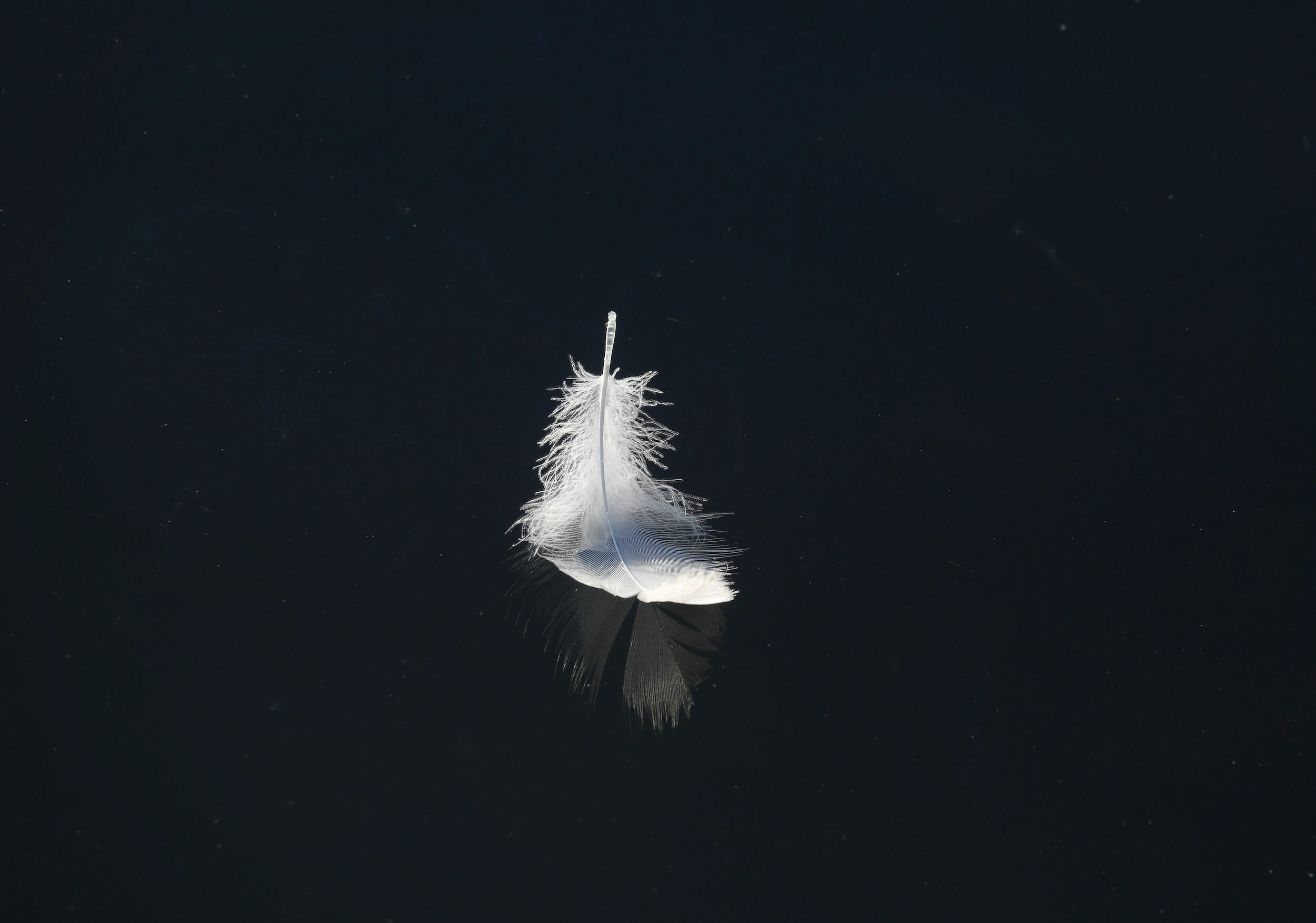
Hopelessness—caked in dirt
and tossed aside,
like the bird
with a broken wing

The final days with my mother were interesting. “Interesting” has become an interesting word to me. It’s almost always said as a polite way of saying “bad” or “not for me.” The day-to-day visits with my mother were rarely the same. Some fine. Some difficult. Always, in a good sense, interesting.

You may wonder who will reach
down to perform the necessary miracle,
and when and what: the white bandage,
pristine; the laying on of hands; the soup
and sleep and bread and bed.

My name is Henry Wadsworth. Most prisoners call me Hank. I am proud of that moniker. Rare is the prison wherein there are any guards not loathed by the inmates. To be called Hank means I am an exception, one of the good guys, known to be decent and fair. It’s because I’m a man of faith. I don’t proselytize, though. The Lord is my shepherd; I shall not want. I don’t force my faith on others. I think that’s why the prisoners like me.
It is 7 o’clock in the morning, as usual. On my desk, piles of books and notepads are scattered around the spot where my breakfast—a cup of coffee and a piece of toast topped with a sunny-side-up egg—sits. I’m reading a page from Haruki Murakami’s story “The Wind Cave” in The New Yorker, while Taiwanese pop songs play softly on the computer.

This morning I woke to slow rain,
and remembered waking with you
sprawled across my bed in a toccata
of bones muscles skin and breath.

I fell in love for the first time during the summer of ‘94. It was the summer before my senior year of high school, the same summer Sammy Davis played baseball for the Vermont Expos. He wore Mickey Mantle’s old number seven and manned his old position, center field. The Mick was Dad’s favorite player. Dad grew up west of the Mississippi in the fifties, so he bled Cardinal red. Stan Musial, Bob Gibson, and Enos Slaughter were his Father, Son, and Holy Ghost.

When I received the news that I had received a scholarship to study on a year-long Arabic programme in Cairo, my initial excitement was misplaced. The promise of exploring this crazy city and building a new network of connections energised me. I bombarded friends with experience living in Cairo with requests for recommendations: historical sites, ruins, restaurants, hip neighbourhoods. I wanted to see it all. Immediately.
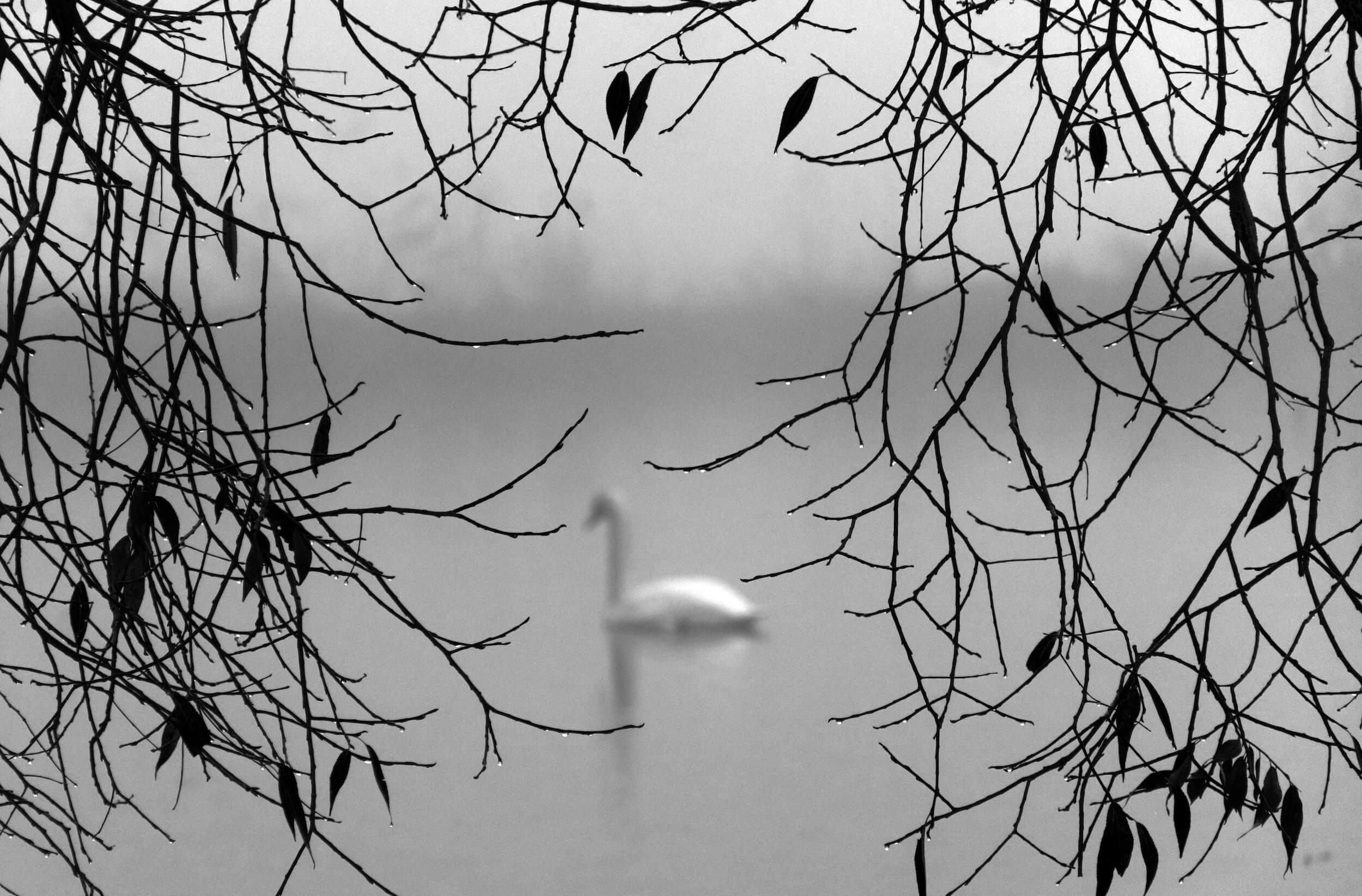
A swan,
His neck a staircase into
The white clouds,
Wings, oars
Of silk,
Toiling
Against
The waves of
Water…

I was admitted through the ED to a step-down unit shortly before midnight on a rainy late July Thursday. My wife, Gwen, had driven me there because of increasing gut pain, but upon intake it was noted that I also had significantly low heart rate and blood pressure. Initial tests provided no immediate explanation for any of the conditions, but because the pain became sufficiently intense that they had to administer a low dose of morphine…

I have not ferried a living soul across the straits since Orpheus and Eurydice. I think of her and how she clung to Orpheus and wept into his chest, and he crooned softly into her hair not daring to open his eyes. Orpheus smelled of sunshine and song. Eurydice smelled narcotic like a field of hyacinths, and smoke. Orpheus calmed her with his beautiful baritone warm as a patch of sunlight in the forest.
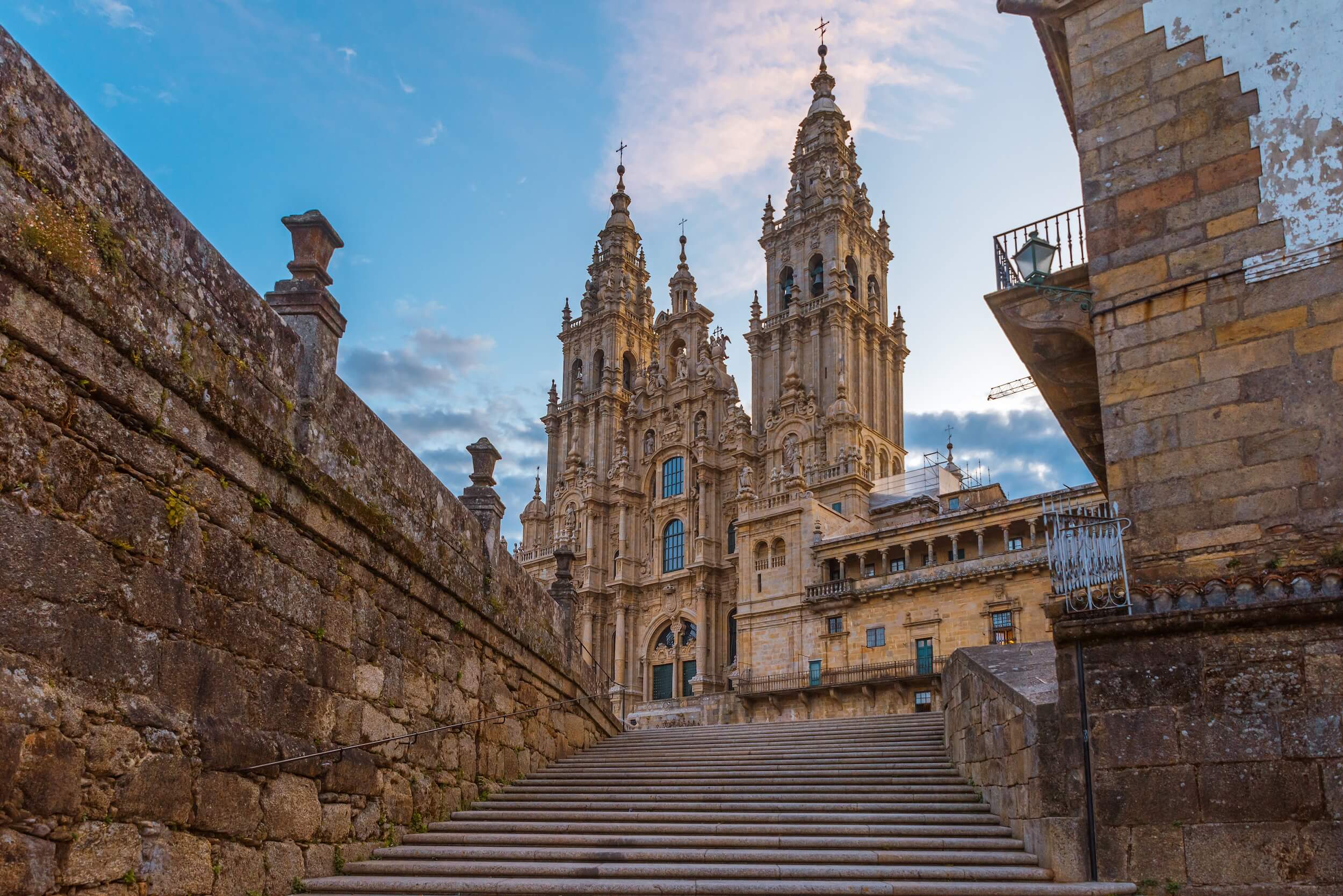
The new priest dropped consonants from the ends of words, causing consternation and some mirth among the few who still attended mass. Juan, sitting with a group of women near the fountain, an empty plastic water jug by his feet, listened as they talked about him. They were waiting for the bread and making fun of the priest’s Argentinian accent.
“If he were serving coffee, not communion, it wouldn’t matter what he sounds like!” Laura complained. She unfolded a handkerchief and laid it on top of her gray hair against the sun.

As I step through the library door, a soft, comforting scent drifts toward me, leaving me feeling calm. Dad whispers, “Have a look around. It is truly remarkable. I’ll be in this main room if you need me.” As I look around, I quickly realize Dad was right. This library is not like any other I’ve ever seen. It is special.

The first time Elizabeth jumped, James was on the ground with a tarp; /
they were in different worlds and the two had never met.
“No one understands me,” Elizabeth said. She was lying /
on the floor of her pink-striped bedroom and was talking to the ceiling.
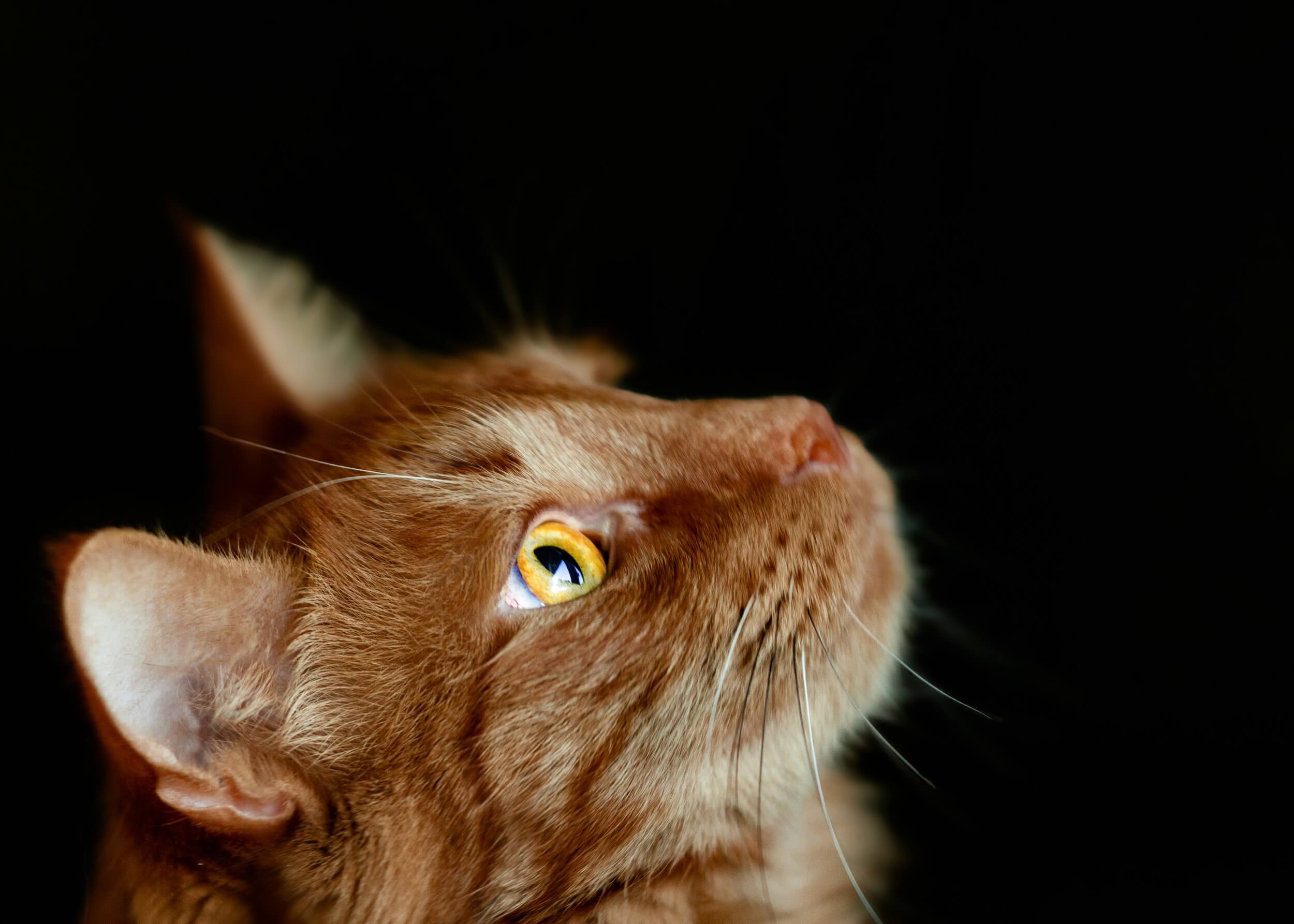
I was just a tiny feral kitten when I lost my mother. She went to fetch food like she did every day. My siblings and I would wait on the porch of a house whose family was always traveling. It was freezing more than usual that evening. The loud noises from the roads made us crouch in fear. Then, I heard this screeching sound followed by a door opening and slamming in the street near the house’s porch. I listened to a woman’s cry of anguish.
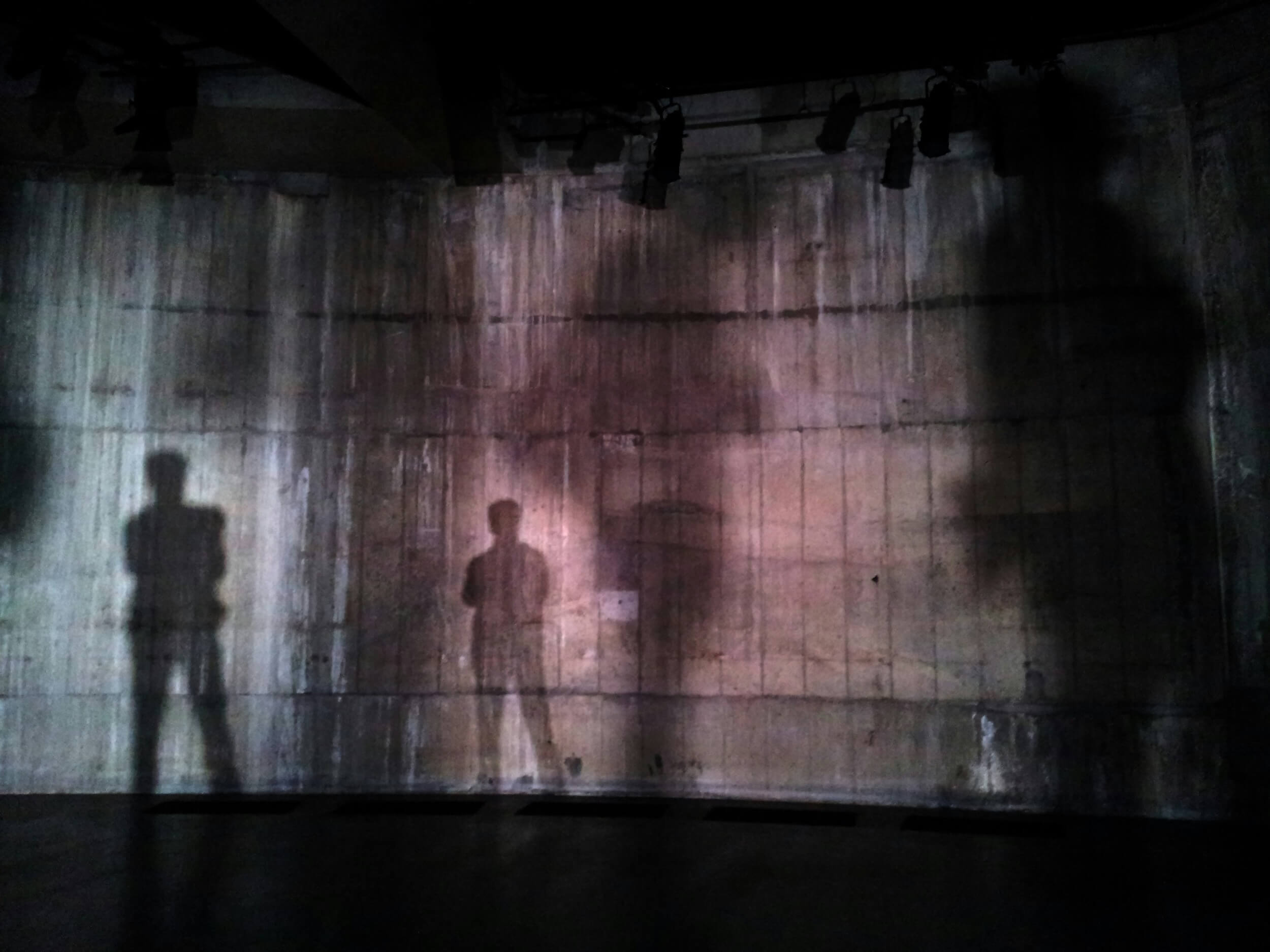
Mr. Nicola hated our play. I knew because I heard him talking to the assistant director. He had wanted to do Jack in the Beanstalk, with a smaller cast—no little girls, just a boy—So much easier, he said, his hands rising up to his shoulders. The board of directors insisted he do Madeline instead because they could sell books and trinkets in the gift shop. The summer children’s show had to be popular for all the kids. Jack in the Beanstalk was only for the pre-K set. With Madeline it would be like Christmas in July and balance the budget for the entire season—more than pay for the live animals he had on stage when he directed Twelfth Night.
Leaving the hospital, she said:
“Today, everyone looks like something I ate.”
Right now? I asked, scanning the parking lot.
“Yes. And everyone throughout my life.”
I thought so. Most of the meat
Loaf I digested resembled
My eighth-grade class.
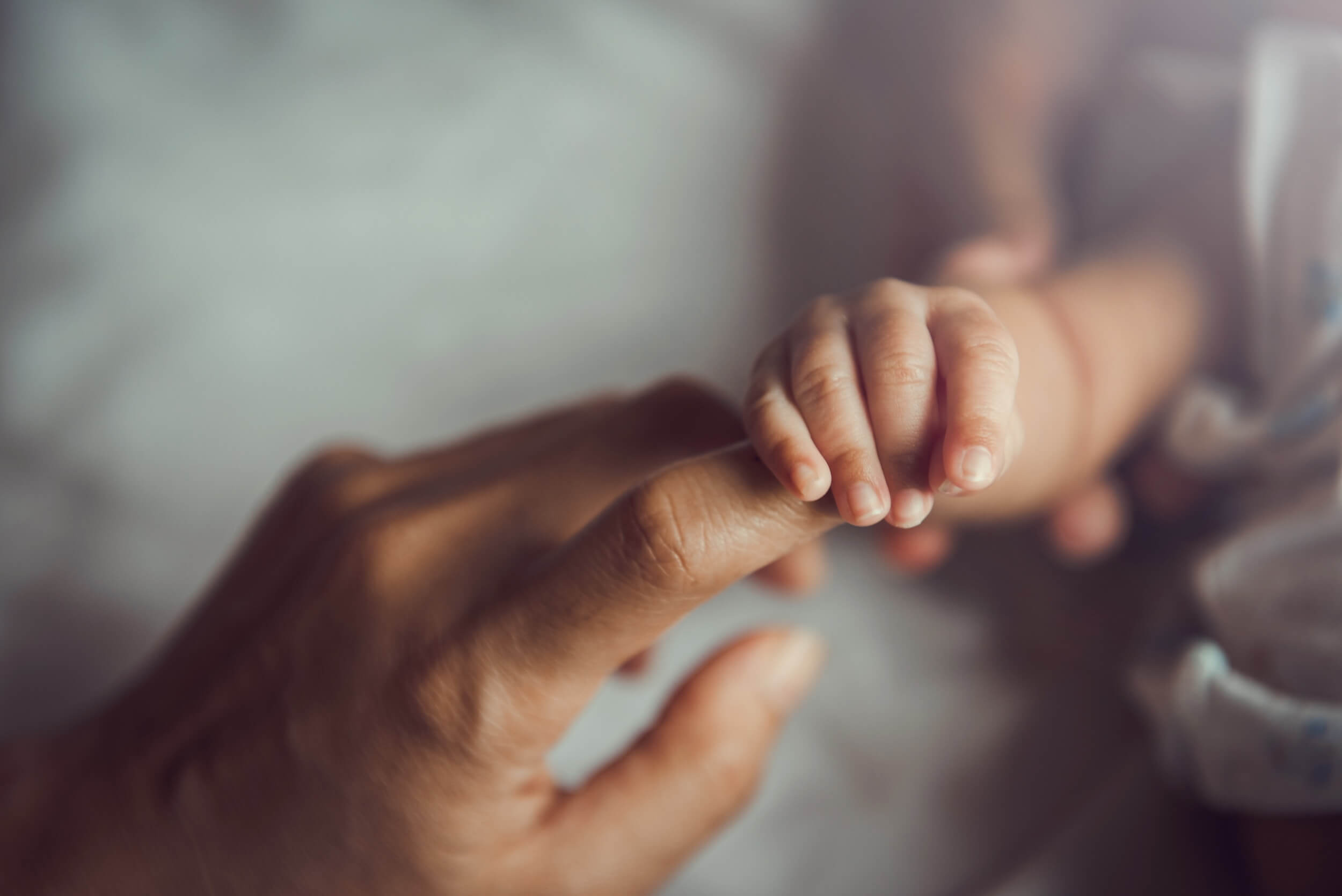
The doctors had given us no reason to expect the baby early — so on August 2nd, 2024, I followed my normal post-dinner routine. I washed the dishes. I fed the fish. And then I sat at my desk to compose the next day’s plan…

Much of my writing, in fiction and poetry, has been deeply influenced by the imagery of painting and cinema. I have always been very much attracted to the ways in which language can create visualizations of things, people, and events.
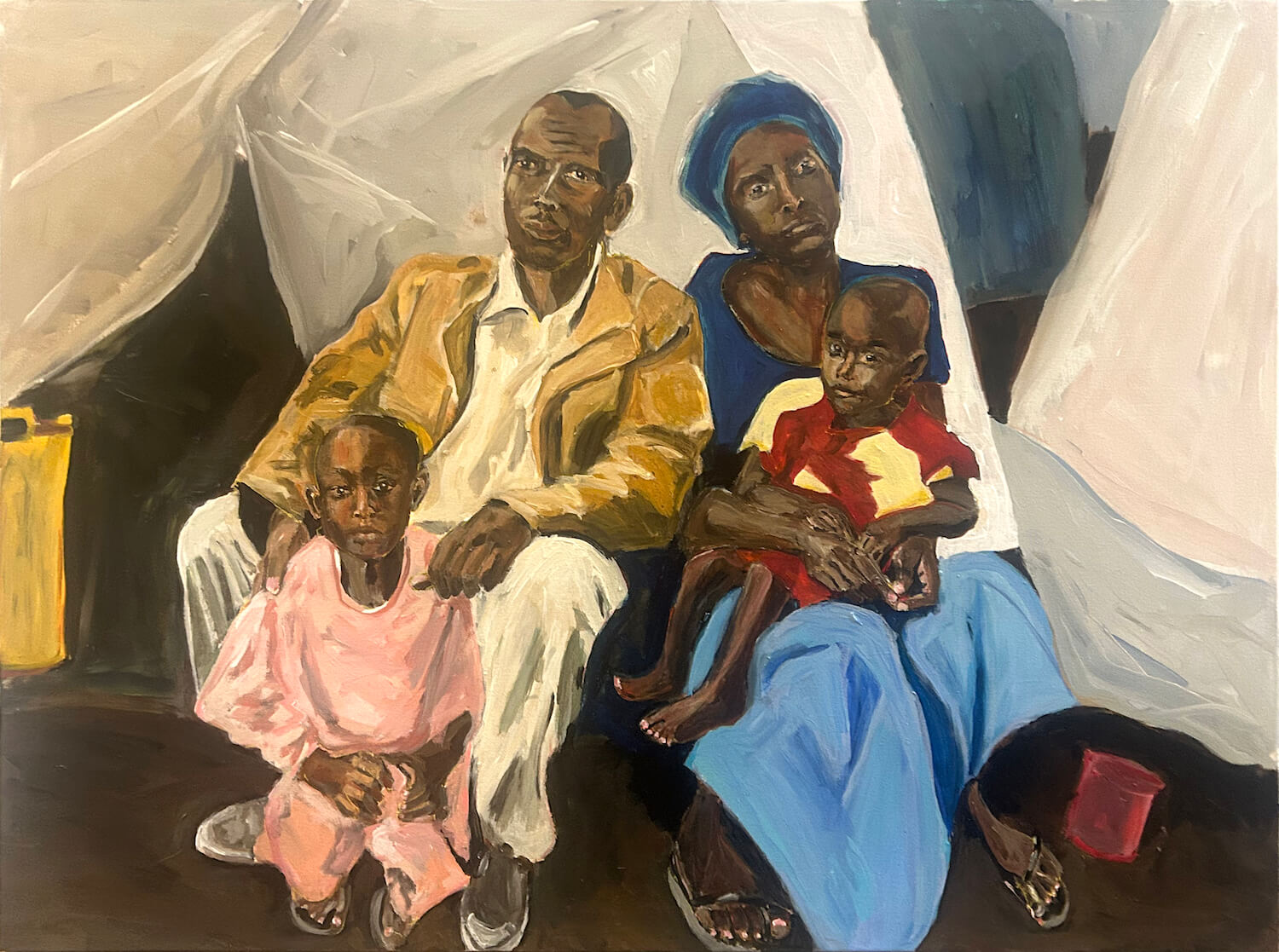
The world seems to carry on as if there aren’t a million reasons to be shocked. But because I don’t want to go numb, I try to paint them, at least a few. For these, I paint figuratively, as I was trained, even though now, often, my desires, and my output, is abstract. Still, how can we ignore the drought in Afghanistan, the strife in Sudan, the war in Gaza, the invasion of Ukraine? Or even what goes on in our own lives?