Creative Nonfiction

It has been ten years since I stepped off a plane in Orlando carrying two suitcases and an accent I tried desperately to hide. Hot Florida air hit me in the face, and it was the first sign that after twenty-four years of Russian winters, things were going to be different. My story is a story of an immigrant, but my immigration isn’t a story of becoming American. It's a story about freedom. Freedom to build, fail, reinvent, and belong.
Back in Russia, America arrived to us in the 90s through Hollywood. Action stars and blonde models were all rich and beautiful on the blurry VHS tapes, dubbed right over the original track by one tired voice. The idea that everyone in America was living a dream was perpetuated when, years later, my college professor told me they don’t even do laundry because it’s cheaper to buy a new shirt than wash an old one. Back then, 19-year-old me didn’t know that the promised land of cheap T-shirts and a mausoleum of concrete strip malls would become my home.
I started learning English early. Throughout my teenage years, I discovered the internet, and among the crazy things I did back then, I found a way to download lyrics for the entire Green Day discography, translate them with a dictionary, and learn them. Any English word I passed on a sign or a label, I stopped and memorized. My mother hired a tutor in high school so I could pass my exams and go to college to become a diplomat.
My first introduction to the United States came long before I immigrated. In 2012, I arrived in Long Island, NY on a Work and Travel visa—a program advertised as cultural exchange and experienced by many participants as slavery where cheap businesses give you a plane ticket and a bed in exchange for wages few Americans would accept. Long Island was my classroom. I learned that all the marketing of Hollywood is a sham, and what actually comes cheap in this country is not the T-shirts - it’s loneliness, drug addiction, racism, and poverty. By the time I flew home, I was convinced America was not for me.
However, four years later, I was destined to return. Love, and he happened to live in Florida. That's all the explanation a story like this needs, and you already know how it ends. We got divorced. I did get to choose again if America was for me. I could have gone home. I had a family that wanted me back, I could have a career with my language abilities, an apartment, a future that made sense. I had everything except the feeling that I was finished here. So I stayed. I've turned the question over and over in my head: why? What I know is that love and disappointment keep things together longer than they have any right to: marriages, parents and children, me and a country that couldn't be bothered to cover my healthcare.
I came with two degrees, including a master's in oil and gas. Degrees from overseas don’t matter in this country. I had to start from scratch. For me, it was a sign to reinvent myself, so I put my head down and started grinding, working jobs beneath my qualifications just to survive. I didn’t complain about it because complaining takes the focus away, and losing your focus is a luxury I couldn’t afford.
I’ve changed my name a couple of times. Born Evgenia Shchekach. Jenya, for short, to everyone who knew me. Then I came to America and introduced myself as Jenny because I was afraid of hearing negative opinions about where I was from, and I thought that if I hid behind an American name, I could avoid half the political conversations. Something shifts when you stop calculating whether today's crowd can handle a real answer. I'll talk to anyone now about Russia—what it is, what it costs to love a place you've left, what it means to watch it from a distance becoming something unrecognizable. And years later, I fully accepted my heritage, and I will talk to anyone who will talk to me about the country where I was born and raised. I think America gave me what I haven't had a chance to experience before—reinventing myself. Maybe more than once, and that’s allowed.
Life will throw you curveballs, and from time to time it’s hard to stay true to yourself. Some people, losing their footing in a new place, reach for whatever numbs the vertigo — the drinking, the pills, the slow erosion of anyone who might hold them accountable. It takes a lifetime to come back from it; some don’t come back at all. That’s where the very important quality of a character comes in—resilience. Certain jobs will train that quality in you, and I had both a blessing and a curse working in one of them. I was a bartender for ten years, and I was definitely on display. Cruise ships, rum bars, Irish pubs, private events. I poured drinks for regular joes, frat kids, and celebrities who tipped exactly as badly as you'd expect. You see the world from behind a bar in a way you don't see it anywhere else—every performance, every vice, every person who assumes the bartender isn't paying attention. We’re always paying attention. Every time you open your mouth; they can hear your accent and assume things about you. Until somewhere in the middle of all of it, someone put my face, the one that used to apologize for its accent, on billboards and national television. When I became a citizen, I made it official: Jenya Monet. Not my father's name. Not my husband's name. Mine.
Creative work helped me cope with the horrors of life that an introvert lives working in customer service. Somewhere between pouring another whiskey and closing another bar at two in the morning, I remembered the thing I’d wanted before life became practical. Movies. Not watching them—making them. I started writing after shifts, directing on weekends, borrowing favors, and stretching budgets. It’s a ridiculous business built almost entirely on optimism, but it reminded me that I wasn’t just earning a living. I was building one, making something here that couldn’t have existed anywhere else.
Our minds are designed to help us adapt to where we belong and get what we want; you just have to be open-minded about it. Stay inside your own community, and it might take you five years to start understanding a menu without pictures. Step outside of it—sit with the discomfort of being misunderstood, of missing a joke, of getting the customs wrong - and you will absorb the language, the humor, the unwritten rules, and something about yourself faster than you ever expected. And so I did open myself, with the fear of being often misunderstood, often to be perceived as a weird girl, which led me to live between two worlds. Do I belong to either of them? To Americans, I’ll always be foreign; to Russians, I will always be an expat.
My family accepted my decision to move overseas. I think my dad, before he passed away, wished for me to return to the motherland. I didn’t. The war was already raging. The US embassies had closed and left the country. There was no path back, no process that worked fast enough. My sister carried all of it through his disease: the doctors, the chemotherapy, the sleepless nights, the end of it. She and my mom carried what I could not carry because I had chosen a country over proximity to my family, and that choice costs you something you don't get back. I've never been to his grave. I don't know if that makes me a bad daughter. I think about it more than I let anyone see.
My mother always says I can come back and have a great life back home. But I can’t go back. For me to go back would mean that I have lost my war for the American dream. We talk about it when we see each other once a year, somewhere different each time—me, my mom, my sister, her kids. All of us little women. We each arrive with suitcases full of gifts: one for every missed birthday, every anniversary we watched through a phone screen, every ordinary moment we couldn't share. Every night we're together, we have dinner—as if we can store up ordinary evenings against the year ahead. Then we fly back to our separate worlds and talk through screens until next time.
It is what it is. It is also everything.
Another difficult part of living alone in a different country is that no one is helping you to build your life. Your grandparents won’t give you a warm meal on Christmas, your cousins won’t help you move from one bad apartment to another, and your childhood friends are not around to help you experience becoming an adult.
So, what did I leave my home for? Freedom? Americans bled for it, and now they use it to enslave themselves in jobs that leave just enough energy for dinner, a gym session, and some doom-scrolling. You understand pretty quickly that freedom is not a destination you arrive at and then rest in.Freedom means you can succeed, and you can fail. All depends on a number of factors: quality of your efforts, luck, money, and ability to make allies.
Freedom means you are not too good to buy discounted ends and pieces at the deli. You get a whole lot of that when you move across the world by yourself. There is no social safety net of family, or inherited connections, or networks. It means you have to lie to your parents on FaceTime and tell them that everyone is nice to you around here, and that your new boyfriend doesn’t mind that you are Russian. Becoming too American for home and too foreign for America. The only certain thing with freedom now is a terrifying but exhilarating realization that success and failure are largely your own.
Being lost in the idle way of life brought me to the point of losing my identity: I didn’t care who to hang out with, what to eat, what to watch. All was an experience good enough for me. I feel like I’m still on the path to creating my new identity, but I've grown older, and that comes with respecting yourself and your time, knowing what you want, and, most importantly—what you don’t want.
What you want is all around you and happening to you already: it's the award announced over a screen, the billboard face, the privilege of writing stories, hoping it'll beat the competition. The freedom to fail and begin again. The dignity of building a life with your own hands. The confidence you faked until you didn't have to fake it anymore. Changing careers in your mid-thirties. Dreaming bigger than your circumstances. But be aware that this comes with a price.
The price of opportunity is to be at home among strangers and be a stranger at home.
That’s the bargain. Most days, I’d still take it.
Read more Stories, Poetry, and Creative Nonfiction in this issue
Read more great stories and poetry in The Write Launch archive of past issues.
Creative Nonfiction

FTO Star
When I was a child, I lay in bed at night and fantasized about using a razor-sharp knife to carve…
Debra Groves Harman
Poetry

“Angel Fire, New Mexico, August 2020,” “Passing Down Recipes” and “Tenderness”
we landed here a reprieve from Arizona heat from reminders of a house needing paint and spackle and a yard…
Christa Lubatkin
Poetry

“Resurrection”
Do your eyes discern my halo? The world at large seems blind. Affluent obsess on phones, poor scramble to survive.…
Michael McQuillan
Short Story
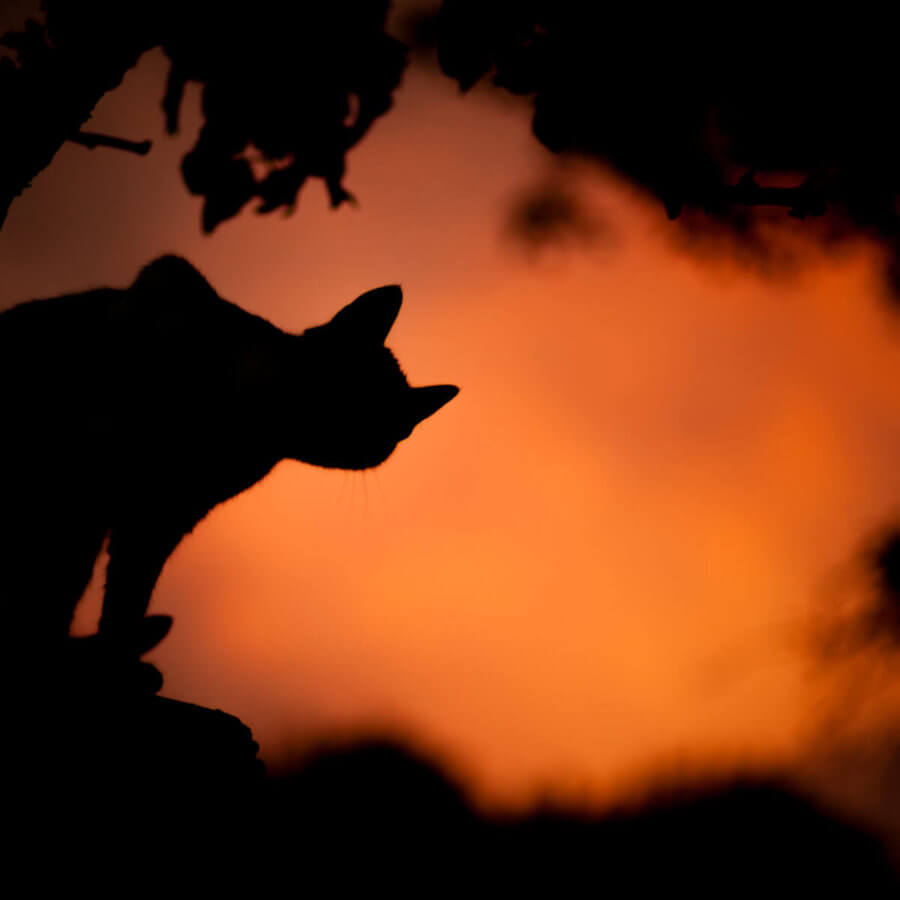
Miriam and Cat
Cat waited for Miriam to get up. He waited a long time, but she didn’t rise. She didn’t put fresh…