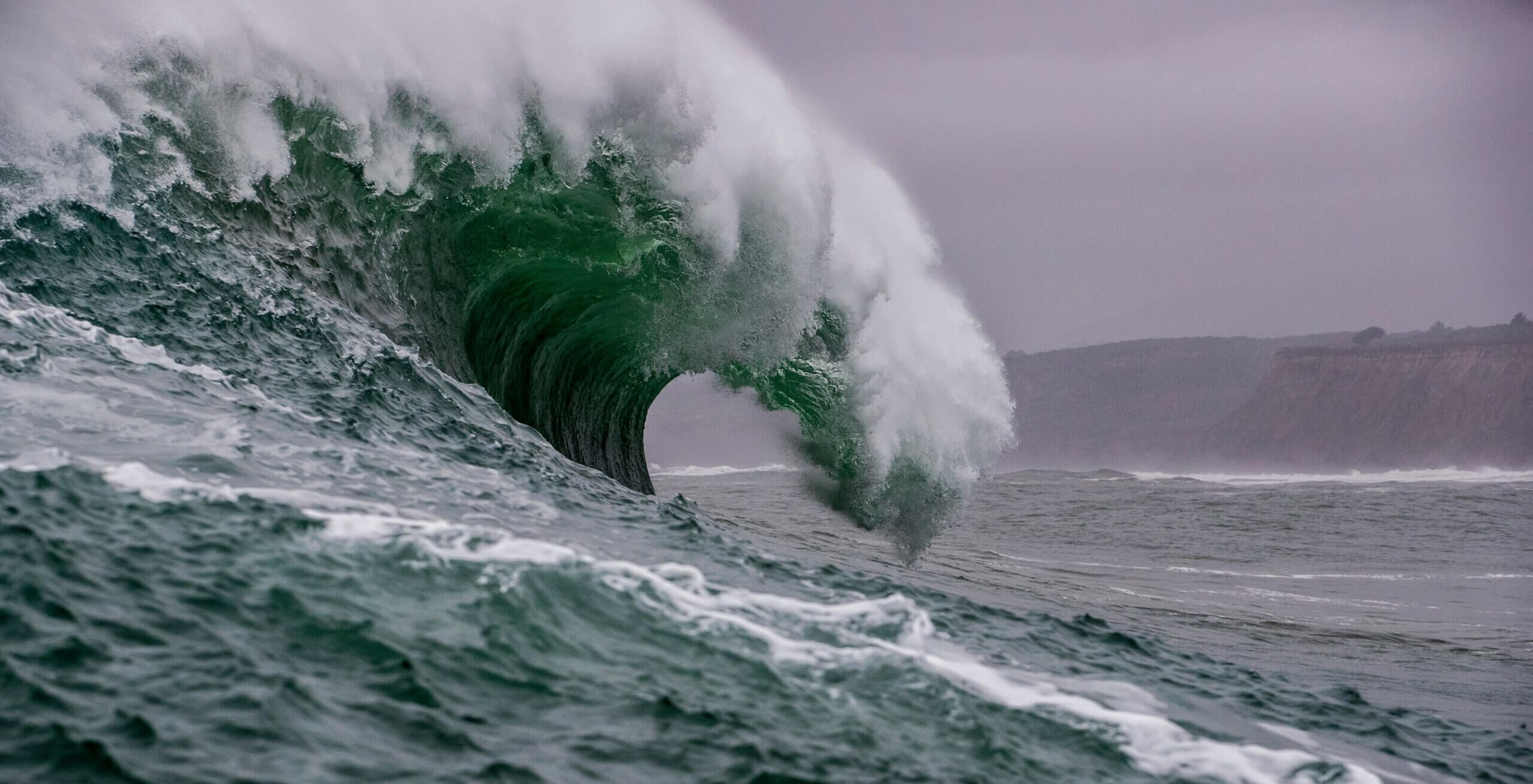
Photo by Todd Turner on Unsplash
Earth Cries and the Oceans Catch the Tears
Each corner of a globe
With no corners
Born of the sea as
Liquid or solid
In dances with humans
And dances between humans
Fear and hope meet in their own dance
As the earth cries
And the oceans catch the tears
And the tears are sensed
As warning signs
As storms measured in categories
As attitudes measured in politics
And the future measured in lives
And livelihoods
What category of ambition, idiocy or neglect
Will we deserve
If we ignore these categories?
What becomes of us who ignore the tears?
What becomes of us who forget the dance
Or refuse to dance
Or refuse to love the dancers?
Where lies our curiosity as we witness the tears?
What will trigger imagination in the face of our fears?
And what of the fears of others
When we think we have nothing to fear
And They come to fear Us?
And what of the evil unleashed
By self-inflicted ignorance
(not to mention arrogance)?
Reservoir No More
seas rise as lakebeds crumble into dust
parched earth stares at heaven
with blank, bloodshot eyes
nothing moves unless blown
by heart-broken winds,
scattering dust, rendering no relief
as waves of heat mimic breath
nothing moves since nothing lives
where water has ceased to visit
having sought refuge in the sea
in the face of an unrelenting foe
Summer-Memory or Prophecy?
Nothing moves except as singular acts of defiance
defiance of the stillness that would otherwise
rustle leaves and limbs or drive old leaves or paper across yard or pavement
or skitter desiccated clouds across hazy firmament,
flying east, escaping a self-absorbed sun in search of a dazzling throne to set into;
imitated by that skittish cat scampering under a car for shade,
a squirrel leaping from dead limb to dead limb hunting moisture captured in a nut or root,
that lone spider sliding across her gossamer realm of sticky, dry death;
each movement a complete act, bracketed by stillness,
the stillness, a tangible blanket of heat, heavy, stagnant, sapping of life
punctuated by sound — birdsong, thrum of cicadas, honking horn, crying child —
sound penetrating the unconscious mind as another source of discomfort,
coercing the conscious part to settle whether the cry was angry, frightened, or hungry