Short Story
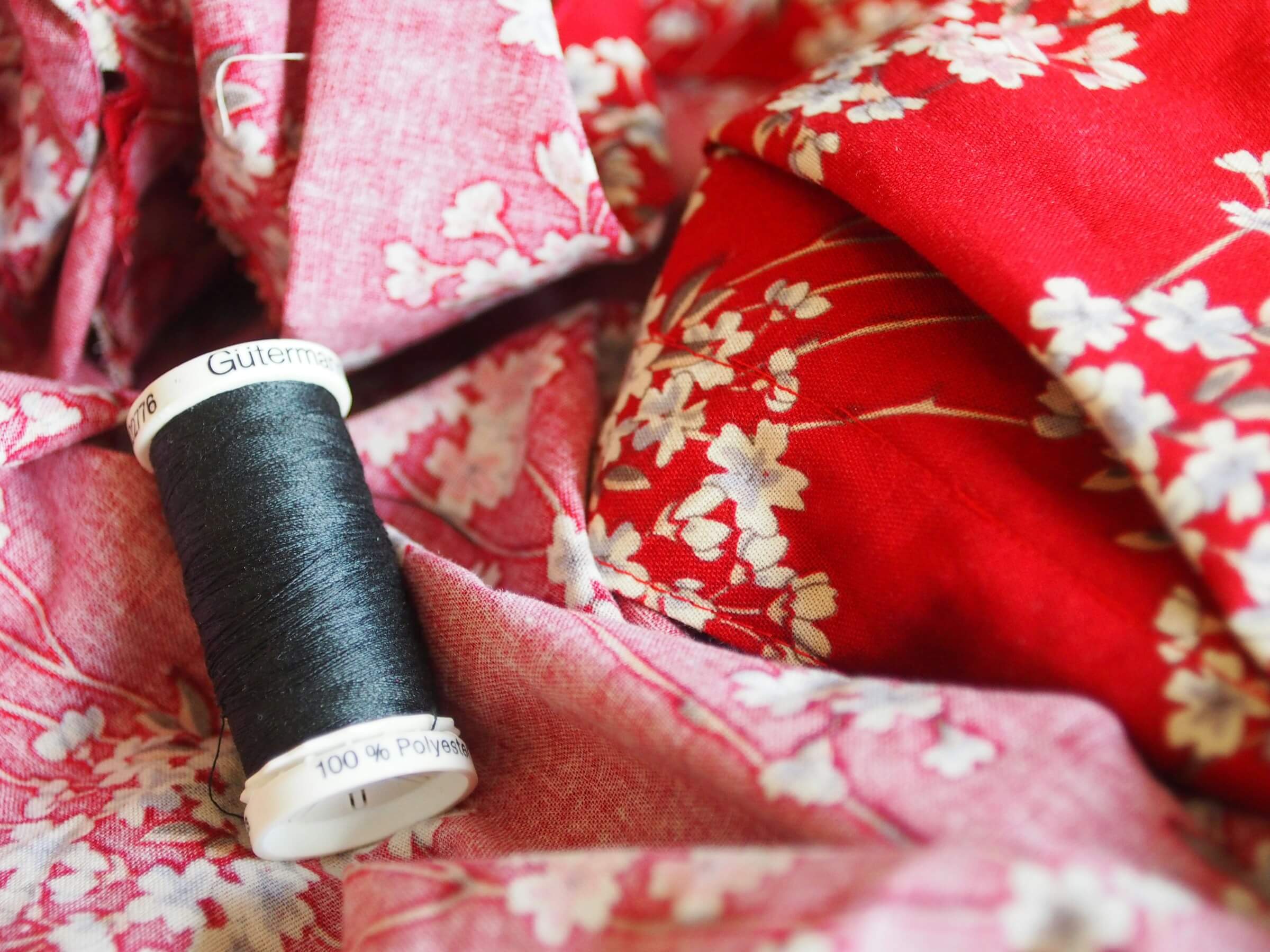
Photo by J Williams on Unsplash
Mairead stopped in the vestibule and slid her hand above the mailboxes to locate the Binaca, once again surprised that no one had discovered her hiding place. She turned to face the street in case Toula from 2G or the super, as her grandmother called him, appeared out of nowhere. She sprayed a quick blast into her mouth, her saliva glands clenching at the sweet mint, then headed up the stairs. She pocketed the Binaca; might as well keep it for later in case Henry showed up at the bonfire. That possibility pressed a finger of anticipatory hope into her empty stomach, but it was too hot in the stairwell for an actual shiver.
As she knocked on her grandmother’s door, she heard a woman’s falsetto and thought, Oh, crap. It was ten to five, so the opera broadcast was almost over, but still; she could not understand how anyone could voluntarily listen to the unintelligible warbling.
When there was no response, she knocked again, a little more firmly. She was hungry and needed a cup of tea, too, in spite of the heat. She was beginning to learn that beer on an empty stomach was a bad idea.
“Coming,” she heard her grandmother say, then, mercifully, the singing stopped and the door opened. As usual, Rose was wearing a skirt, blouse, and heels. She never changed into a “housecoat” until after dinner, and never her nightgown until seven when her stories began.
Mairead went straight to the kitchen table, hoping her grandmother would take the hint and put the kettle on.
Rose trailed her. “You smell like cigarettes.”
Mairead swallowed. The Binaca was never enough. “It’s from Dad. The whole house smells like Winstons.”
Rose huffed as she went to the stove. “I didn’t just fall off the turnip truck, Mairead.” She pronounced it Mah-ry-ed, the only one who did; her parents called her Mur-ade and her friends just said May.
Mairead, focused on food, chose to not respond and was rewarded with the sight of Rose taking milk, a loaf of bread, eggs, butter, and marmalade from the refrigerator. When the kettle trembled, then screamed, Rose turned the burner off with her left hand as she cracked eggs into a bowl with her right. Mairead had tried this trick at home; the result had been bits of shell atop a golden tail of punctured yolk.
Mairead guessed it was eighty degrees in the kitchen, but Rose dropped a cozy onto the teapot after setting it down on the table. Her grandmother had a window unit in the living room, but it was never on. As a matter of fact, it was never even plugged in. Rose believed that air conditioners were a fire hazard. She'd grown up on the top floor of a wooden New York City tenement and had a horror of matches, candles, and electrical outlets.
As Rose scrambled the eggs and dropped white slices into the toaster, she launched directly into a story, the one about swimming in Lake Carmel. Mairead had heard it a hundred times. She could have finished it if her grandmother had asked, which she did not.
Mairead settled into the rhythm of the words, r’s dropping like skipping stones, and thought about Henry. Would he show? Would he sit by her and take her hand, like the last time? Would he kiss her again, his mouth warm and beery?
The scent of the butter in the pan and the toasting bread made her mouth water. She began to lift the cozy but Rose, depositing the marmalade jar next to the milk pitcher, said, “Give it another minute.”
“I’m so hungry. I’m gonna die.“ Mairead slouched.
“You milk-fed Midwesterners,” Rose scoffed. “You don’t even know what it means to be hungry.” She swatted Mairead’s shoulder, then launched into the story of sharing one pot of stew with eleven siblings.
The plate, when it arrived, was neat with eggs and perfect triangles of toast, buttered and ready for a knife full of marmalade. Rose only bought the good kind, a rare luxury, the brand in the white crock with the slivers of orange rind shimmering in the jelly. When Mairead lifted a slice to her mouth, though, a gob fell off the edge and onto her shirt.
She barely stifled a shit as she reared away from the table, staring down at her marred midriff. To show up stained at the bonfire was, in spite of the dark, a disaster. She wouldn’t have time to ride her bike back home to change, though. Her next stop was Sally’s, where Sally’s boyfriend Chuck would pick them up for the drive-in, ending the night deep inside Hart Woods for beer, a bonfire, and hopefully Henry.
“Finish your eggs, then take your shirt off.”
“Grandma, I don’t have time to wash it.”
“You don’t have to. Leave it here for now. I’m making you a new shirt.”
“Making me one? With what?”
“I still have the cotton knit from your nightgown.”
Mairead groaned, but shrugged it off. Her shirt was new, purchased only a month earlier at Fashion Forward with money earned making pizzas at Casa Rosa. “Grandma, I can’t wear nightgown material. I’m going out with my friends after this.” In just a bra now from the waist up, she crossed her arms to cover her breasts.
Rose, however, was fingering the striped garment. “This is cheap.”
Mairead considered contingencies: could she borrow something of Rose’s? It only took a second to accept that a home sewn shirt of rose-sprigged cotton knit from a bolt at the back of the sewing notions at Charles’ Variety would be preferable.
She saw that Rose was headed for the closet that housed the Singer, so she finished her eggs and began to clear the plates and cups. Rose hefted the machine in its wooden case across the living room and set it on the table, pausing to impatiently push stray crumbs into her palm. She dusted them into the garbage, hip-checking Mairead aside so she could wash her hands, then pulled open the drawer of valuable castoffs. She slid out a folded square of wrapping paper that had covered an afghan made for Mairead’s brother Kevin. It was a crocheted gift in white, navy blue, and orange in honor of the 1985 Bears for their recent Super Bowl win. Kevin was a fanatic; Rose, not so much. If she was going to bother cheering for a team, it would have been one from New York.
The wrapping paper was familiar. That was how it was with Rose; any gift was wrapped in a layer of déjà vu. Waste not, want not was her constant refrain.
Rose knelt on the living room floor with her nub of tailor’s chalk in one corner of her mouth, smoothed Mairead’s T-shirt atop the blank side of the creased paper, and proceeded to trace the outline. If she hadn’t seen this done before, Mairead would have asked how it wouldn’t then be too small, not allowing for seams? Now, she watched as Rose made a second outline a quarter inch beyond the first.
After drying the dishes, Mairead sat for the rest of the show. Rose cut the pattern with an ancient set of shears, still sharp from a yearly visit to Frank at Eckert’s Hardware. She pinned the pattern to the fabric, not too taut, then carefully cut the cotton knit. The next part, though, was Mairead’s favorite, when Rose, back straight but head bent, pumped the Singer’s pedal as wrinkled hands guided the rose sprigs beneath the bobbing silver tooth.
Mairead, her body already blooming into her future self, sank into memories of past moments in that same chair as the Singer chugged like a train on a track.
In less than forty minutes, Mairead was standing before the long bathroom mirror to see how it fit; she liked what she saw. The tiny pink flowers on the pure white fabric, instead of looking childish, were feminine and flirty. The thin knit clung in a manner sexier than Mairead guessed was intended.
Rose stood behind her and said, “You know, when you give boys what they want, they stop wanting it.”
Mairead let out a shocked guffaw. “Grandma! Come on. I’m just going over to Sally’s to hang out.” Inside her head, though, she was once again amazed at the way it had always been, like Rose was also there, gazing around at Mairead’s most private thoughts.
She met Rose’s frank gaze in the mirror, then lowered her eyes: there was no point in lying. “Do you mind if I brush my teeth before I go?”
Rose looked for a moment like she had more to say but just nodded and backed out of the bathroom, pulling the door shut behind her.
As Mairead watched herself move the toothbrush up and down, foam peeking around a coat of tinted lip balm, she thought, Grandma, close the door to my head, too.
*
Much later, when the flames had eaten most of the broken branches, the beer cans were empty, and boys and girls had merged into pairs in the last orange flickers, Henry started rubbing her back. “I like this shirt,” he said, lifting her hem. “It’s so soft.” He kissed Mairead’s mouth, his breath conjuring the ghost of their shared cigarette. “And your skin. So soft.”
His hands, warm, felt nice, as the August night had turned uncharacteristically cool. Mairead shivered a real shiver, up her back, down her stomach, and into her legs. “Thank you,” she said. “My grandmother made it this afternoon.”
“Right.” He laughed into her ear. His hand was guiding her down to the rough ground.
“She really did.” Mairead stiffened. And I’m not going to give you what you want tonight.
Mairead opened her eyes and wondered if Rose, too, was gazing through her at the star-sprigged August sky. She pulled her shirt back down to cover her stomach, soft, so soft, and easy to pierce, but edged tight with perfect Singe red stitches.