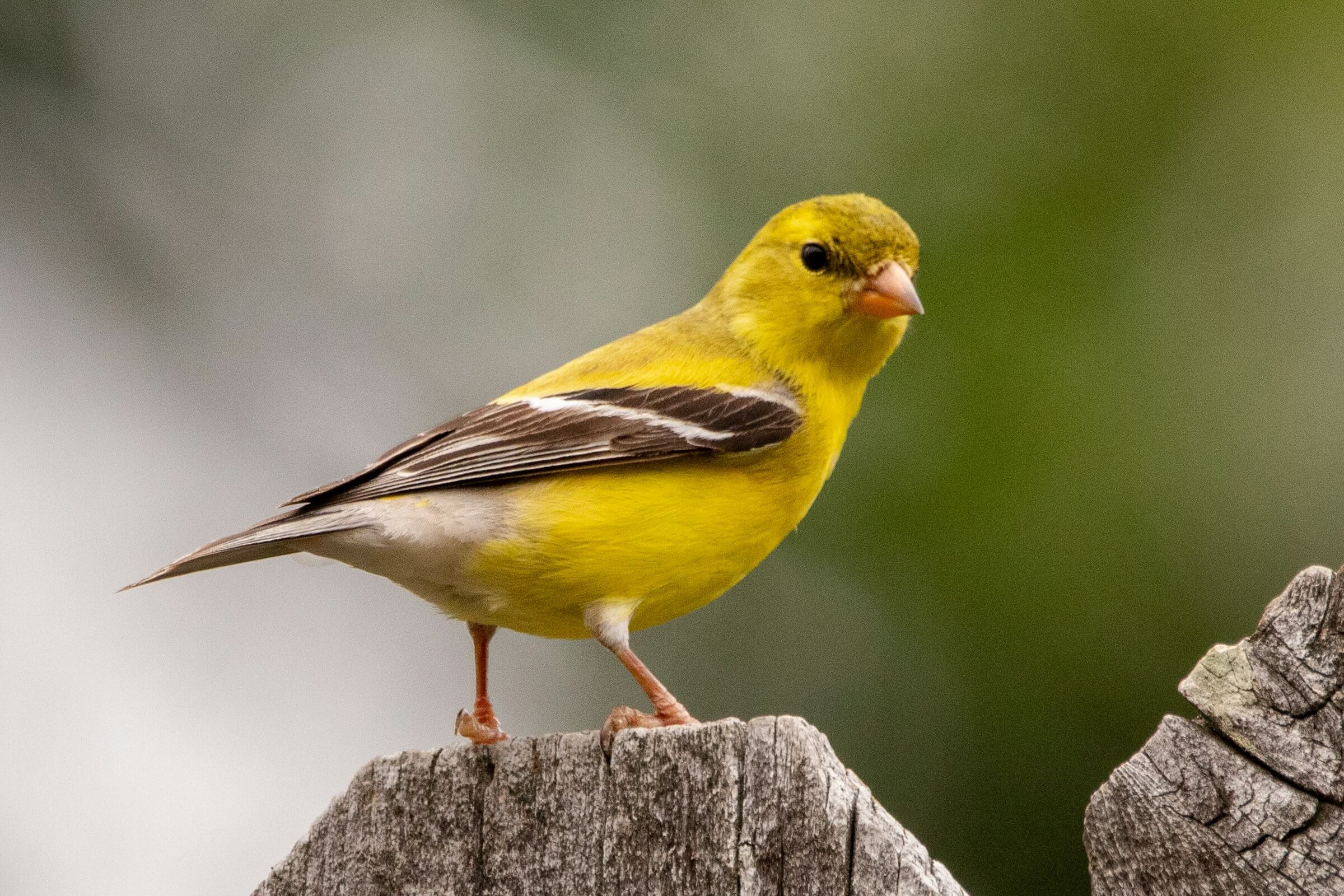
Photo by Joshua J. Cotten on Unsplash
Elegy
The waitress didn’t call me honey when she set down my bowl of clam chowder
but said she liked my cheap sunglasses,
and looked at me strangely when I made some graceless joke about them,
utterly unprepared for a compliment.
A pat of butter sat atop the soup, melting into its own cloud,
and forgive me for moralizing,
but the sea fog was thick, and there were crab shells on the beach:
a poem was inevitable.
There is too much to celebrate, too much to love—
the grandmothers still amble and stoop along the shoreline,
gathering shells and driftwood for their windowsills and mobiles.
The finches still come to my birdfeeder for breakfast.
There is too much to dread, too much to mourn—
the earth, a singular cosmic miracle, is wheezing her last,
buckling beneath the parasitic weight of a species that knows better.
We had to invent a word for genocide, and use it.
I cannot celebrate or love or dread or mourn it all adequately
before it morphs into something new and passes me by.
So, I pack it into the tight cocoon of my mind and try regardless,
and feed it hefty, heaping, weeping doses
of hope
and hope
and hope.
I’ll peel sweet oranges for breakfast
and sing back to the finches
on numbered mornings,
new but tattered at the edges
by the long fingers of a few angry men.
Apalogia
I am dying for something to point to,
Something to show people,
That justifies the pieces of me gone to rot.
Harper Lee said it helps folks to have a reason,
Something to latch onto,
To explain why others do like they do.
But I am not Dolphus Raymond:
My impetus is a mirrored, jagged thing.
These feet do not tread comfortably with themselves.
So I love every venomous thing
And break my own heart
Because it helps to say tragedy made me this way.
And if I can’t find enough dusty agony in the past
To account for all this shame, so help me God, I will make some,
And point to all the weeping wounds I knew would follow.
I will sip Coca-Cola from a brown paper bag,
I will put on a show of swaying about my way
I will say it’s for the folks—to give them a reason—
But the folks aren’t watching.
I do it so I can feel empty sheets beside me each night
And say it’s just the product of tragedy.
I’ll leave out the fact that I crafted it
With two hands eager to point anywhere but at the truth:
I am this way because I choose to be.
There is Still Something to Be Said for Public Education
My friends’ kids are growing up, and I watch from the safety of Facebook.
It’s odd to see their small, unfamiliar bodies where their parents’ once stood
for first day of school pictures and dance recitals and gymnastics meets—
for plays, concerts, science fairs, and field trips to desert petroglyphs.
Their sons and daughters, fed the same questionable tap water and Christian guilt
that raised us, are the new grains of sand growing in the cold oysters of the
American public education system, and if I weren’t a product of its salty flesh myself,
I’d think it impossible that they, too, might step from the same doors somehow made pearls.
My friends might not be able to hear it from the bloody trenches of modern parenting,
but from the quiet of my childless vantage point, I write to tell them that the magic still sings:
Crisp and colorful and cruel exactly as we knew it to be, eager to leave scars
with good stories on the artists and thinkers and lovers among them.
They will rediscover the same guerrilla warfare strategies on the same playgrounds,
they’ll burn the ever-loving shit out of their legs on the same metal slides,
and they’ll run from the same woodchips turned grenade shrapnel
at the hand of some kid named Dominic or Kyle or Aiden.
God forgive me, but there is such peace in knowing these children bleed in a familiar safety.
So many others do not.