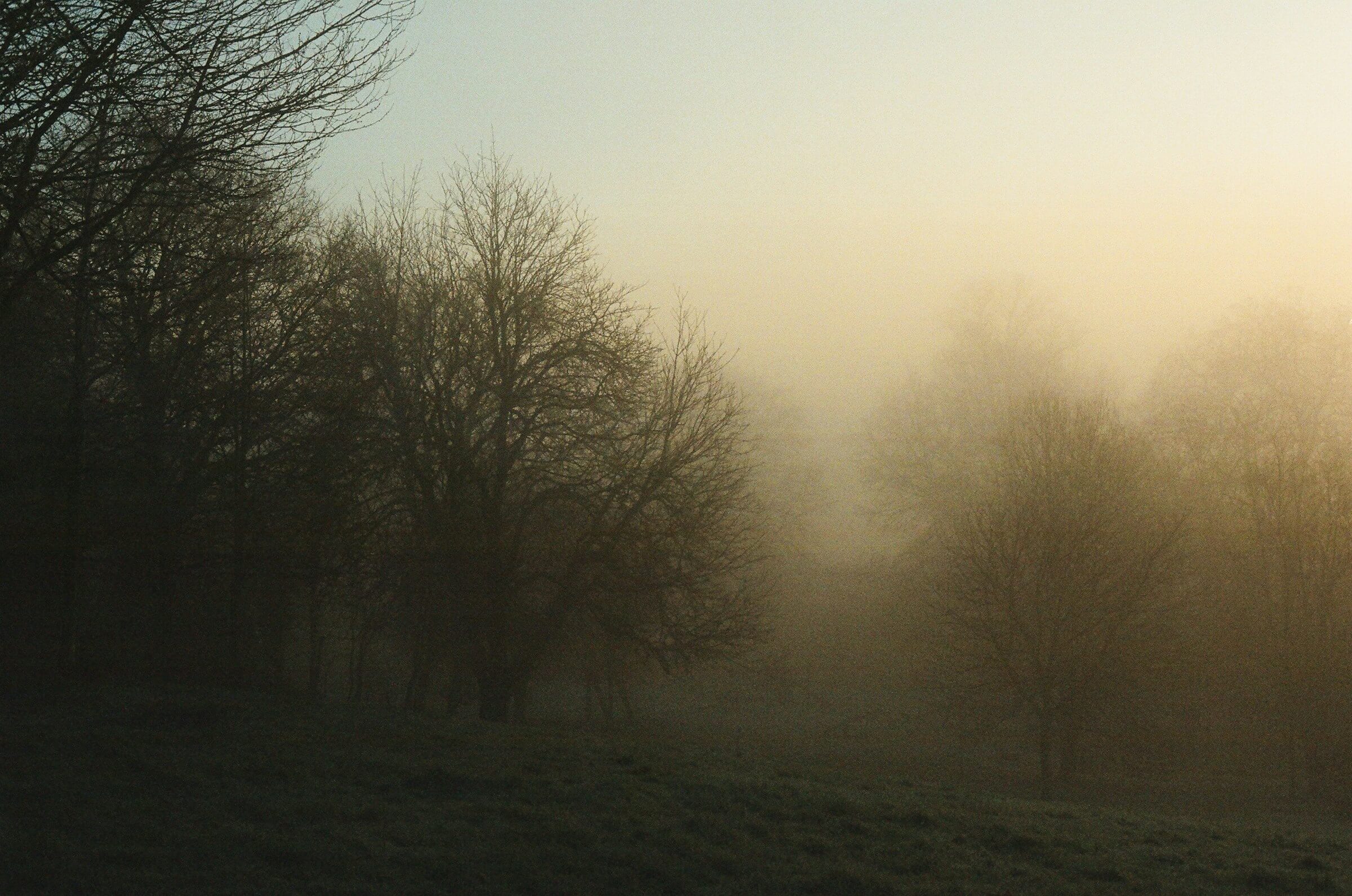
Tanya Barrow For Unsplash+
Remnants of Treasure in Bucha
At thirteen, she wanders
fields near razed homes in Bucha,
hears echoes of cries eerie
in shattered walls. She shelters
in hollows of a hospital turned home.
Once upon a time, she was a child
with eager eyes in search
of trinkets in a greenhouse—
shiny bottlecaps and pieces
of a green alligator.
In a forest, she’d once unearthed
a bracelet, strung with beads
of pink and yellow glass,
intact with a working clasp.
Treasures she’d concealed in a box.
Now, sirens wake her
at dawn where she wanders out
and finds a yellow dress in a pile
of leaves beneath a weeping willow.
War had singed its hem.
She picks it up. Finds the skirt
can be altered to make it new—
a Sunday dress of happy colors.
From beneath a charred car,
she pulls a paisley scarf,
ties it about her neck—
wonders who it belonged to.
Under an old linden tree
she finds a woman’s ring,
a luminous pearl. Was it
once a gift? Who wore it?
She’s seen enough ruin.
Here, no one is shielded
from death or the promise of it.
When the song of a bird calls,
she follows its refrain.
A wren feathered in mottled
brown fusses about its nest
‘neath shelter of an eave.
Silent, she watches the bird,
small and unaware of despair.
The wren sings a sweet refrain,
goes about it humdrum tasks
with no foreboding of tomorrow.
In the basement, she finds
Mother folding clothes. She
asks for needle and thread,
scissors to shear yesterday
from the hem of a yellow dress—
as yellow as Easter morning,
and, like the winged wren,
the young girl hoards hope
as tomorrows lay blithely
in an illusory box.
The Sense of a Poet
What if tomorrow,
when the sun bloomed,
I lost the light in my eyes?
A poet blind to the coral
of sunsets dripped west,
or the flow of a loon
in the lake eased in its way,
splitting white fog hovering
above the lilting lap of water.
But what if tomorrow,
the cadenced lap of the water
went silent. Where I’d stand
deafened to the fit phrase
to sketch the timbre of a forest
bereft of a lark’s lullaby?
How would I catch
the sharp whistle of a train
or the clack on the track
never to meet the ear—
the ear of a poet
where the word should sing
as a mocking bird?
Listen.
Listen.
Or, paused to feel the wind on my face,
what if no breeze stroked my cheek?
Or if I was no longer lulled by the caress
of silk perfumed in sweet jasmine?
What if the smell of life no longer
oozed from the forest floors?
The fragrance of oakmoss gone.
Or what if, as a poet, I no longer savored
the sweet of honey or the tart of a lemon,
its brilliant yellow on my tongue
gone numb? The alarm of spoilt milk?
What joys might I pen of a fine merlot?
Might I find words spilled in rhyme, diphthongs
turned to dreams—to whispered memory
imagined in two dimensions and unstirred.
Or—as a poet—would I embrace the ache
of loss to infuse my verse—the hungers
in my heart gushed in its dance of angst?
28 January
its foggy morning
drizzling as I walked
away from my house
a titmouse sat on the gate
bidding me good-day
above, angry starlings
squawked and flew
as if angry at me
and my eyes fell
to all the dead things—
trees barren holding
empty nests, grass
turned to beige,
leaves rotting
and tumbled branches
that could hold
no more water
my bones moaned
with each step
and in the distance,
a siren rang of distress
and then, a starling
pierced the air with its whistle.
Drops of water lingered
on thirsty grass,
a spurt of green
reminded me
spring was coming
and life was yearning
to return to my yard
and a bird feeder hung
empty calling me to fill
it for the winter birds.