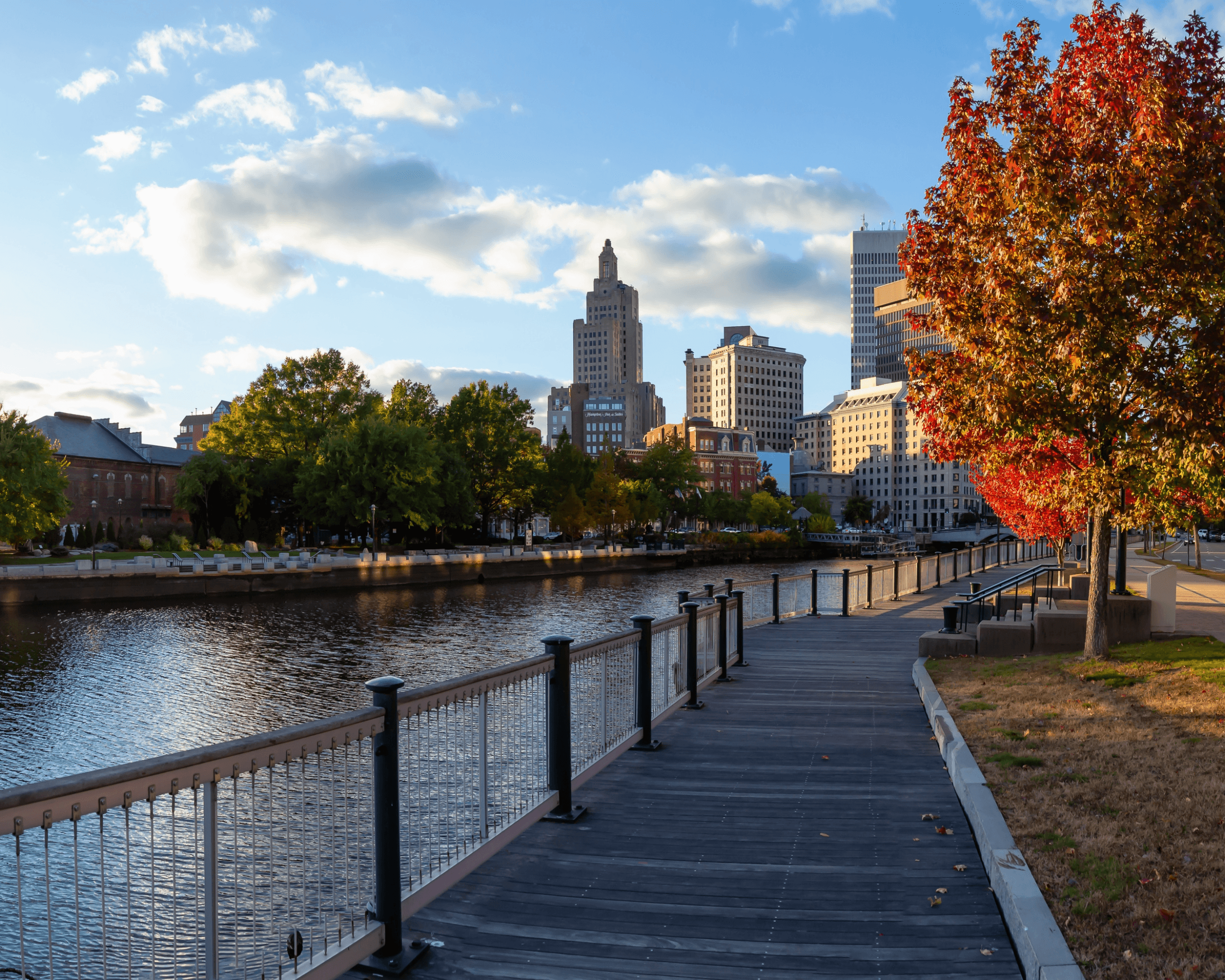
Photo from Adobe
museum house
if the world continues on
long enough, past
you and me and everyone
we know, will every
house be a house
where someone famous once
lived, every home a museum, except maybe ours,
the single house of no history, where we and
many simply passed
time, and, in that state
of notable anonymity, will our house become
exceptional?
you turn, to work on your computer, because
it’s winter and Saturday and you have nothing
left to say; last night I said let’s take the bus
because no one really takes the bus to Providence
for dinner anymore
we sat in the eighth row
and were the only
passengers until the hospital when three
others boarded for downtown; the air
was still and piercing cold
when we sat down for tacos; later
at the dive bar we scored the sofa
and the band played rough covers
you drank and I didn’t and in the car
home you leaned your head on
my shoulder like a girlfriend, or
maybe like a wife unlike mine
in college I’d take the M4 down
to the museum twice a week,
spending an intense half hour
alone with
a painting or two; when we went
together
we’d endure longer, but
we’d pass the pictures quickly
sometimes pausing only long enough
to snag the painter name and date
the less we touch the more charged
is each point of contact and when
we don’t want to get all
the electricity
started
we avoid
each other all the more
I think more about my bicep tear
than about your nipples and
it wasn’t always that way
each fall RISD would produce
a catalog of art lessons for kids,
like what I’d later know to be
a college course catalog; elation
at being able to sign up for
mixed media medievalism at
age nine
one time on the way
into the museum for classes
they had artificially fogged up
Benefit Street to film a commercial
for London Fog and some woman
in heels and a trenchcoat walked by
today I would fantasize
we made stained glass out of colored
tissue paper and clay
maquettes of crusaders in the room
with
the sepulcher and the crucifix
I have to believe the money
my mother invested in those art lessons
returned something more
than fractured images of a young
boy in a borrowed frock
which may be why I have chased
a deer of aestheticism through
the thickening woods of middle age,
why I see still in your silhouette
a form famous also in my eyes
we have been
to so many museums together and
seen there
all that’s been picked
as worth our seeing; outsider art
and Carracci; on the walk down
the hill from the Capodimonte
because we couldn’t get a taxi
we walked by the salted cod
stalls and under the laundry lines
and through the heaps of garbage
against beautiful carved apartment
building facades and wondered
what’s the difference between
the two; the Choice of Hercules
freshly revisited in our minds
you always returned, and me,
but on different days; here,
in this non-museum of a house,
furnished with time alone,
no plaque
graph paper
the grid lifted
from the surface of the paper and twisted
like early computer graphics in
EPCOT commercials that looped
in the Polynesian hotel room
before there was a volcano pool
these were certainties: storylines that glued
as backgrounds to the cyclorama of my childhood
vision; I could see
them chronologically, a dream
of castles and knights, the western
frontier, colonial exoticism, the promise of the
future; and me in them – Robin Hood, Crocket,
Livingstone (my mother gave me that one), Kirk;
unbranded, untethered, unexplained
in grade school math time I memorized multiplication
tables; they were my tables, my foundation, my ticket
to space or whatever
it was going to be, beyond the low
stone wall outside the plexiglass windows
that even then had started to cloud up and yellow;
when the building went up they were glass and proud,
but adults learn that exuberance of construction fades
into duty of maintenance; the glassblock clerestory
atop the interior wall must have been stunning until,
after kids figured out how to lob stones, they covered
it in plywood; inside it was eerie to see the punctured
opalescent blocks backed in opaqueness or unfinished
lumber; you knew without knowing that it was
someone’s failed dream
the first time I found out about
graph paper my world became
more ordered, the idea that someone had figured this out,
long ago, for me to rediscover; five squares to the inch, each
box an increment of something, a hole where a something of my
imagination would fit
to have it all worked out, to lay down your narrative, and then,
despite its orthogonal logic, to see in watercolor flesh
soft edges and unarticulated maybes that pull you through
each box of each calendar day
mike
crossing the street at night after a blizzard
when the sidewalks weren’t shoveled
but rather plowed in
walls six
feet of snow
crosswalks to nowhere
blocks away sprawl
he was hit by a driver found
not at fault neither speed nor impairment a factor
mike didn’t drive himself
now decades after he’d come back to
the place he grew up
he’d get friends to take him to
city meetings to weigh
in on planning and zoning
land use restrictions
traffic patterns drainage setbacks pollution
airport expansion pedestrian safety
he’d been an engineer
knew government process like
the back of his hand
his hands both
palms up on
wet asphalt
last gleaming
he fell where, yes, in the city,
but it wasn’t on the city that he was struck down
because it was a state road
and it wasn’t the state
to be held to account
because he wasn’t
sprawled out along one
of the designated crosswalks they’d so kindly established
in the general vicinity not the driver, poor guy,
because why was mike there crossing the road anyway,
why did he need to get home on the other side
the cars never stopped moving,
north and south and south and north
four lanes
sounding off the
preternatural buzz of tire treads on damp pavement
who could expect the sidewalks to be cleared
after such a momentous storm just the week before
certainly not a burden for taxpayers to bear
or abutting businesses who had no place
in their parking lots
to put all that snow
the crews should be commended
for doing all they could
working overtime
to keep us all, well,
not mike, safe
first report was critical but stable condition
then the news he was dead a day later
no transition no reason no time
for transfiguration, no desire, of course, for reflection
beyond the red and blue lights in the puddles
of snowmelt,
slicked with oil,
cleared the scene
and, of course, no one to blame