Short Story
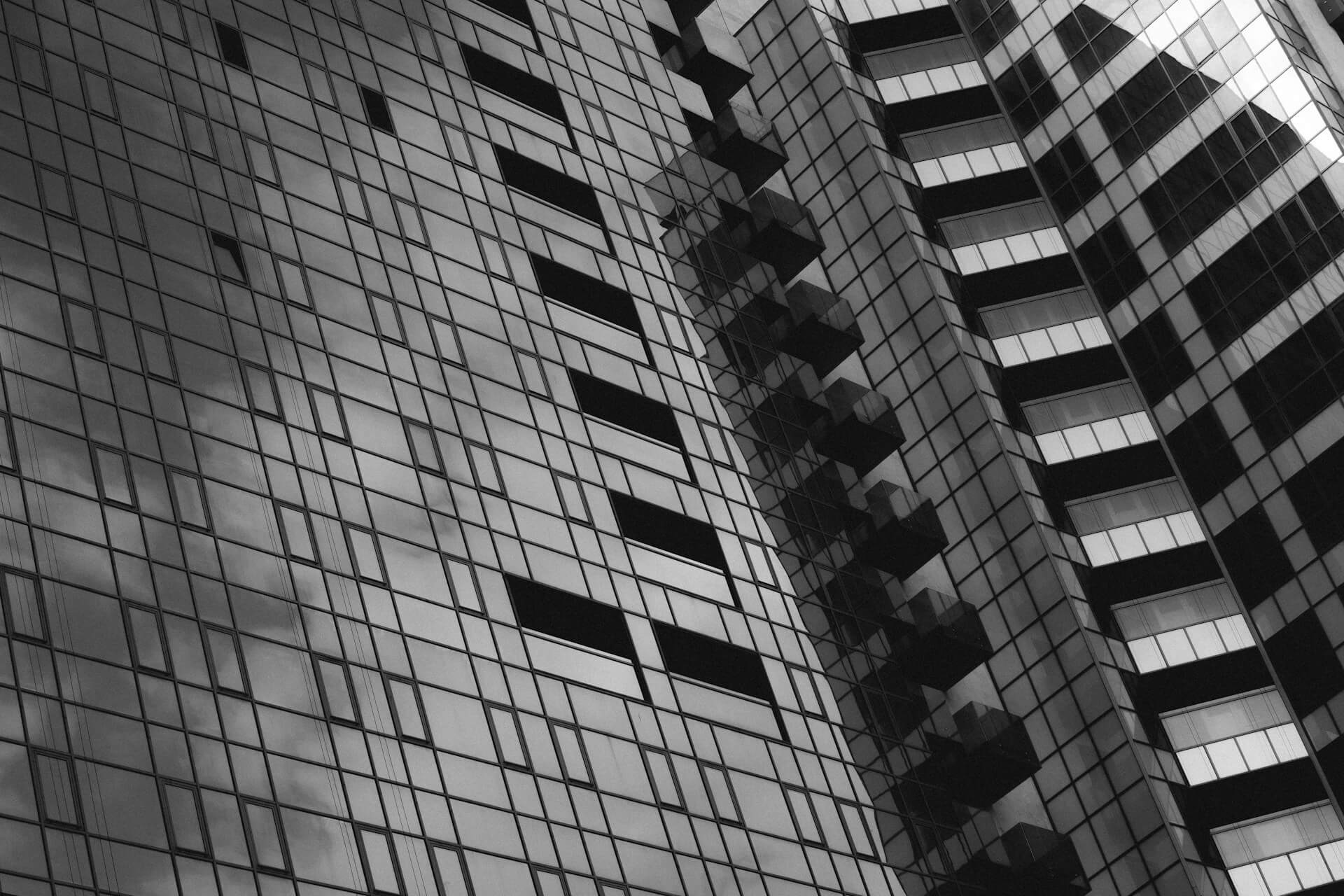
Photo by Sepehr Sajjadieh on Unsplash
Michael was trying to remember just when they’d started calling it “Atlantis.” He knew it had been much later than the first Central District Project, the one that included the combination office-condominium tower complex. Back then, they still radiated enthusiasm for a big project, and after that one had failed, they were too hurt and angry for that kind of ironic wordplay. Yes, it had been well after CDP, but when?
Michael had been standing in the large, semi-darkened room for over twenty minutes now, but he knew that no one would interrupt him. Outside of the maintenance crew, he was probably the only one who came up here any longer. A rectangle maybe 150 feet on the long sides, and with unfinished ceilings that gave it the impression of some height—yes, “Upper Rear Storage” gave a sense of open space. Without the lights on—and he always preferred to leave them off if there was still a hint of daylight left—it seemed even larger, its darkened corners obscured by all that was stored there. In the right light, or lack of light, a room like that can seem to go on forever.
Right now, the only illumination came from the large central skylight, a pale grey light that filtered down to illuminate the extensive modeling table in the middle. Of course, it was not one table, but dozens set together to hold all those connected flat boards of foam core on which the models rested.
He thought of them not as individual separate models but as one large model, the city itself in miniature. Like a child enchanted by some exciting museum diorama, he never tired of staring at this result of countless hours of precise planning and careful labor. It was a passion he could share with few and now, perhaps, with no one. The model city had been abandoned years ago,
When did they start coming up here? Involuntarily, he squinted as if trying to make out some detail in the model, but he was concentrating on the past, not on what was laid out before him now. A quarter of the company had been lost when that whole CDP joint venture had fallen through—summer of 1986. For months afterwards, old Mr. Milton, long retired as president in favor of his son, was seen walking through the downstairs lobby on his weekly visit. He’d stop by the massive model of the CDP complex, still embarrassingly displayed in the lobby, always saying the same thing. “I told them to stick with a lot of small ones and not bet the whole wad on one huge project—damned morons!” Old Milton had been dead now, for what, twenty-six years? Over a quarter century, and his sons, Phil and Dan, had sold the company and left for warmer parts shortly after they’d buried him.
Yes, the CDP project had been the low point, all right. It had been bad for several years then, but they’d recovered, gradually. They shifted more work across the spectrum, expanded the sewer and treatment plant division, along with the long-term planning projects and environmental assessments—more reports and fewer buildings—nothing the architects had dreamed of in school. Also, there was a lot of Defense Department work—good, steady contracts, but nothing that fit into the miniature city, no model to stare at in the early evening. Still, it was work, and that was enough to keep him and some others going—paying off mortgages, getting kids through college, and everything else.
Of course, the CDP models eventually “left” the lobby and were consigned here, as part of the big model—back when this was still called the “Upper Rear Planning Room,” with its ever-growing and changing model of the whole downtown and central city. The model was intended mostly for conceptual planning, judging how a new structure might fit into the whole of the downtown, how it related to the “comprehensive dynamics of site and envisioned space” as their marketing brochures had claimed. As the years progressed, of course, it was no longer a model of any real downtown but of the downtown they had imagined, including every new and dynamic building or complex that had never grown beyond the planning stages. Still, they kept having planning sessions here despite the increasing difference between this model and the languishing central district. It was the edge city where the buildings were being built, the “outer ring” suburbs. Still, the guilty pleasure for many of the planners and architects was just to stare at the model and indulge their fantasies of transforming a city—a collection of middle-aged small boys imagining themselves as demigods reshaping the earth. Some even called it the toy room.
The Central District Project had been almost thirty years ago, and by the 90s, all the computer design and drafting technology, including all the virtual planning software, had made these time-consuming models of buildings and streets into antiques. After a second buyout, the new management converted the room into a super-sized storage closet, with all sorts of aging presentation materials leaning against the walls, along with boxes of old brochures and stacks of old construction specifications on shelves—all the flotsam and jetsam of every project they’d floated only to see it sink under the waves.
Whatever no one had room for in cubicles below, whatever was getting painful to keep in open view—another model building that would forever be just a model, and all the paperwork that went with it—most of that went to the upstairs back room, remaining untouched. Some of it was just unwanted material that might have once had some sensitive data, or possibly some useful reference point for a later project—that’s what people said. Still, 99 percent of the stuff could have been shredded or crushed, but somehow that act was too final, like burying the body of a close relative or friend. Planners and architects, designers and engineers—few could either bear to continue looking at the lost projects or throw them out completely—both actions made them too conscious of their failures. So, some evening, just before leaving for home, they’d just tell the facilities management crew to take the models and materials to “upper storage.” Then up the freight elevator at night it all went, becoming another pile against the wall, another stack on the storage room shelves, and occasionally, another fantasy tower in the model. No matter.
Some joked that eventually the weight of all that unbuilt architecture would someday break through the ceiling and fall into the offices below. Michael would laugh with the rest, even though, as a structural engineer, he knew just how much that floor really could hold. He’d been the principal engineer on the building renovation back in ‘76—they could have built two more floors above this if they’d wanted. “Over-engineered” is the word they liked to use when your plan was too safety conscious—too expensive—for the marketing people to present to the client. But this building had been different, earlier, when the best engineering, the best design were the goals. Not that it made any difference now.
Yes, most of this faded detritus was decades old. By the mid-90s, the room gradually took on a resemblance to the interior of that vast warehouse pictured at the end of the first Indiana Jones film, a place of lost dreams and lost cities. It must have been around the 90s that they’d begun calling it “Atlantis.”
Michael and several others had started coming up here on break or at lunch—usually Carl, Lou, and maybe Joe. Sometimes Surya would come as well. They’d sit in old conference chairs, leaving off the fluorescent lights that made a rectangle around the room’s ceiling. Only light from the skylight would illuminate the room, directing its illumination into the center of the model city and leaving the rest of the room in a chiaroscuro darkness. But the skylight had not been cleaned for a long time, allowing only a grey light filtering in, and dust drifting languidly through its shafts.
That was when Carl started it—“the lost city,” he called it first, the city of buildings always dreamed of and never built. Lou added the idea of it being the “architects’ graveyard.” Now, Michael could remember clearly, One day, after they had finished eating down in the lunch room and still had a half hour to kill, he had been walking toward the back stairs and Lou had asked him where he was going.
“Atlantis” came his reply, even without thinking, and then a pause, “Atlantis, always Atlantis,” he had said more definitively, nodding his head upward to indicate the location. About twenty years ago, and ever since, it had been their private name for it.
So, he stood staring at the model buildings in the fading light of the early evening. Late August—days getting shorter than before—he felt a familiar sadness and nostalgia that came with the advent of fall. He came up here often, especially in the evenings after most people had gone home. He was by himself, now, after Lou had retired for good. Lou had been the last of the group, the last one to talk to, to share the irony and the smile. Years ago, “Atlantis” had become their code word, their key to a secret world of gnostic understanding. It could be dropped into any conversation, any situation, and it stood for a whole range of emotions and stories that had been compounded over the years into a sense of accepting fate, accepting the inevitable disappointment that came with making big plans that had little chance of success. For the company, and for each of them, “Atlantis” had said it all.
Carl had been the first to go—a surprise, really. He’d been the youngest, and though they rarely acknowledged it, the smartest of them all. Dual degrees in architecture and engineering made him the resident authority on most projects, even when he was not the lead. But he was always too quiet, too introspective to become a mover and shaker in the firm—not “executive material” they said in the corporate office. So be it. He was still content with the opportunity to work his way through any tough design and engineering problem—working the magic behind the scenes and unperturbed by the fact that the project principal always took the credit.
Not even sixty when the cancer hit, and so fast. Already stage four before they had a correct diagnosis. Within weeks it was as if his body were caving in on him, like a human balloon deflating from some hidden leak, both the cancer and the chemo taking its toll. In little over month, he was just . . . gone, vanished from the cubicle at work, vanished from his apartment. First the hospital and then, inevitably, the hospice. He’d never married, and his older sister lived all the way on the West Coast. Even at that, she was bedridden herself. It was up to them to keep watch, and they took shifts. Visiting him at the end had been such an ordeal that, even when Michael had made the effort, he’d felt a deep revulsion throughout the visit that, afterwards, left him nothing but a sense of awkwardness and folly. Surely Carl, sensitive, brilliant Carl, could not have missed this passage of emotions across his face. Of course, he himself could not know what Carl was going through, could not be sure. Later, he’d wondered if Carl knew all along and did not mind, realizing that these men were his last link with his living world, his last connection. Even if they were reluctant, they were still there with him. One time, and one time only, after Carl had awakened from a fitful nap, he glanced over at Michael sitting in the chair, and with just the faintest wry smile, he’d turned and said, “Atlantis,” nodding slowly and closing his eyes again.
The group was more subdued after Carl’s death, but they continued their periodic gatherings at Atlantis. Surya, who seemed to have no depressive side to his personality, was the first to bounce back, eventually leading them all back upstairs to their reveries and sly humor.
Then, less than a year after Carl went, Marian was diagnosed—breast cancer that had already metastasized—and Michael began to feel the victim of some Job-like curse. The next 18 months had been his slow procession through layers of hell with this woman he had known for four decades and been married to for most of that. Love—yes, he’d been in love with her, on and off for years, always in different ways, but it was more than even that. Years of constancy made them a unit, a being unto itself. Her body slipping away seemed a loss of his wife but also, somehow, the loss of himself. If the final three months had been less wrenching, perhaps Michael would have had no relief when she’d finally died. But, to his surprise, after a time of feeling nothing, he did feel relief or at least release from the agony of their common suffering through this death. She’d once been pretty; she’d always been attractive to him, at least, but there was nothing pretty in that ending, not in that slow painful day after day of hopelessness. So, yes, a relief of sorts.
After the funeral and several weeks more of personal leave, he’d returned to work, in part from habit and in part from the need to be around people somewhere outside the house. But just as he had been settling back into some kind of rhythm at work, Surya decided to take his retirement. Surya, with that ready smile and all that energy—what would he do with retirement—none of the rest of them could believe it. Then he explained that his two sons, both in computer science, were venturing a start-up business, and they wanted their dad in on the deal, first because of loyalty but also because he had so much experience and skill in working with a variety of types of clients—his guidance would be priceless. Surya saw this as his way to exit gracefully, with a good excuse, from what was becoming an increasingly fragile company and an office filled with too many sad memories. They did not hold it against him, wished him well earnestly, but were still depressed after he had left.
Joe, the oldest, who had never once mentioned retirement, had continued to work despite his age, at least part-time on a contract basis, but he had always been around. In the year after Surya left, however, Joe had started to fade. He came in less, started to miss even days he was on contract for, and when he was there, he seemed distracted and distant. Gone from his desk for hours, he would sometimes be found sitting silently up in Atlantis, oblivious to everything. Then he just stopped coming one week, and several weeks later, his wife was in to gather his remaining personal items. They already knew that she’d tell them about a diagnosis of Alzheimer’s, with all its sense of futility.
Michael and Lou would visit Joe, first at his home, and then at the assisted living apartment, and finally at the nursing home. It was, of course, less like a visit and more like a wake—sitting for 30 minutes, trying to keep talking, with rarely a coherent word of reply. Neither he nor Lou could take much of this torture—worse than with Carl, even worse than Marian’s physical anguish. One day, Michael had run into Lou who had just been leaving. Lou just motioned with his head to go back, away from the room. No point now. They walked out together, Lou glancing over— “Atlantis,” he said, and that was all.
That had been two years ago in March, and in this June, Lou had finally decided. He and Diane were selling the house and moving back to Chicago so she could be closer to her mom and dad, both of whom were in their nineties and quite ill.
Lou told him, one day, “I just can’t see me making it another year in this place—we should both get out before it sinks from under us.”
He was right of course, and two days after he’d left, the email came out announcing the closure of this office and the furlough of its remaining staff who were still too young for retirement. Michael was nearly seventy, with no real obligations or debts, and a good retirement plan, so the closure posed no financial hardship. But the company was where he could go, where he still belonged, and it was still his last touch with Atlantis.
Standing there in the dusk-like light of the evening, staring at the grid of model streets and row after row of toy-like buildings, Michael began to feel almost as if he might just be left here, permanently, to fade into the dusty remainders of old plans and unfulfilled promises. He shook his head, smiling slightly to himself, and speaking in a low voice, “Damn, Michael, you really are deteriorating into one somber, old fart feeling sorry for himself.”
The kids were long grown and departed, Michael, Jr., on the West Coast teaching at a university, Anne in Chicago at the law firm, and Peter, the youngest, who’d followed in the architecture/engineering field, building a highly profitable commercial real estate development business in Atlanta. All successful, all to be proud of, but all living separate lives for over a decade. Michael couldn’t see insinuating himself into their lives by moving into one of their cities. That was just too nakedly pathetic.
Michael liked where he was living now, having sold the house and found a condominium apartment that suited his needs perfectly. And he was in good health as well, so he might have plenty of years left. What was he to do with them, where was he to go, and with whom? After Marian’s death, he had gradually become accustomed to solitude, almost pleased with it, but only because he could balance it with five days a week in the office working with teams of people. True, they had ceased to be his people, the people he had known so long—all of them had died or retired—but these newer ones still offered company and society. Without them, what now? What next?
Michael could find no ready answers to these questions. In fact, he knew that he had been postponing looking for answers for a long time, pretending that he could just continue working a while longer, a few more years, until something would take shape for him so he could leave gracefully and with a purpose. His delay had cost him the opportunity of choice, the choice made by the firm’s owners who had decided to toss in their cards and take their losses. Now, Michael would have to find answers, or at least he would have to make a genuine effort to look for some.
Speaking softly but audibly to himself, he said, “Ok engineer, design your way out of this—find the solution, draw the shape of it in your mind and then on paper . . . or on the screen more likely.”
He was then startled by the sound of a door opening behind him, leaving him with the awkward sensation that someone might have overheard his soliloquy. He turned, feeling a bit foolish and embarrassed—the old guy talking to himself being a cliché he’d rather not become.
“Oh, hi, Andy,” he said to the head of the night maintenance crew, a man in his mid-thirties who reminded Michael of his own sons to some extent.
“Mr. Newton,” Andy said, “I didn’t think anybody’d be up here now, but now that I think of it, I guess I should have expected it.”
Andy had seen Michael up here on a number of occasions, allowing Andy a break from supervising the night work and Michael a bit of welcome company.
“Last day, last night, right Mr. Newton?”
“Yeah, Andy, the last of it, I guess. I needed to look things over one more time—hard to say good-bye to it all.”
“Lotta memories for you—you’ve been here a long time, right?”
“Almost forty years, a very long time, maybe a bit too long.”
Michael realized that Andy would be leaving as well, and he wondered with what options, so he managed to step out of his own sad reverie for a moment.
“So, Andy, what’ll you do now? I mean, what are your job prospects after they close up here?’
“We’ll be reassigned to another company, probably that new computer company that just built the big office campus out in Crest Oak.”
Then Michael realized he’d forgotten that the maintenance services had been outsourced for several years already, and Andy worked for a company with business contracts throughout the city and the county.
“Yes, that’s right, you can’t get laid off from here. My mistake. I’m glad for you.”
“I go where they send me, kinda like the army. But I’ll miss this place a bit, miss coming up here and looking at the model city with you. It’s been fun doing that the past couple of years.”
“Pleasure’s been all mine, Andy, all mine.”
“What about you, Mr. Newton? I mean, you’re gonna retire I guess, but then what?”
“Good question, Andy, then what?”
“You’re smart, you’ll figure it out.”
Purposefully changing the subject, Michael asked, “And what becomes of this small empire of paper, cardboard, and foam core?’
“Well, the office furniture and equipment is all being sold, but this stuff, they’ll probably just dump it, and it will go to the landfill—not even recyclable I guess.”
“Just add it to some big mound of garbage under grass out in the county somewhere?”
“’Fraid so, Mr. Newton, not much choice. But it was fun while it lasted, right?”
“Right, Andy, fun while it lasted.”
Andy left as he had come—Michael picked up his sport coat off the back of an old chair and started toward the door. He’d already boxed up his few remaining personal items and put them in the trunk of his car, so all he needed to do is walk out of the building and drive away. “Away, but where?” he thought.
When he reached the door and pushed it open, he turned back for one final look in the now fading light. “It never was, and now it will cease to be,” he thought, a problem for some modern philosopher, not for an engineer.
He shook his head slowly, then bowed it briefly, as if in salute.
“Atlantis,” he said, then turned and left.