Long Short Story
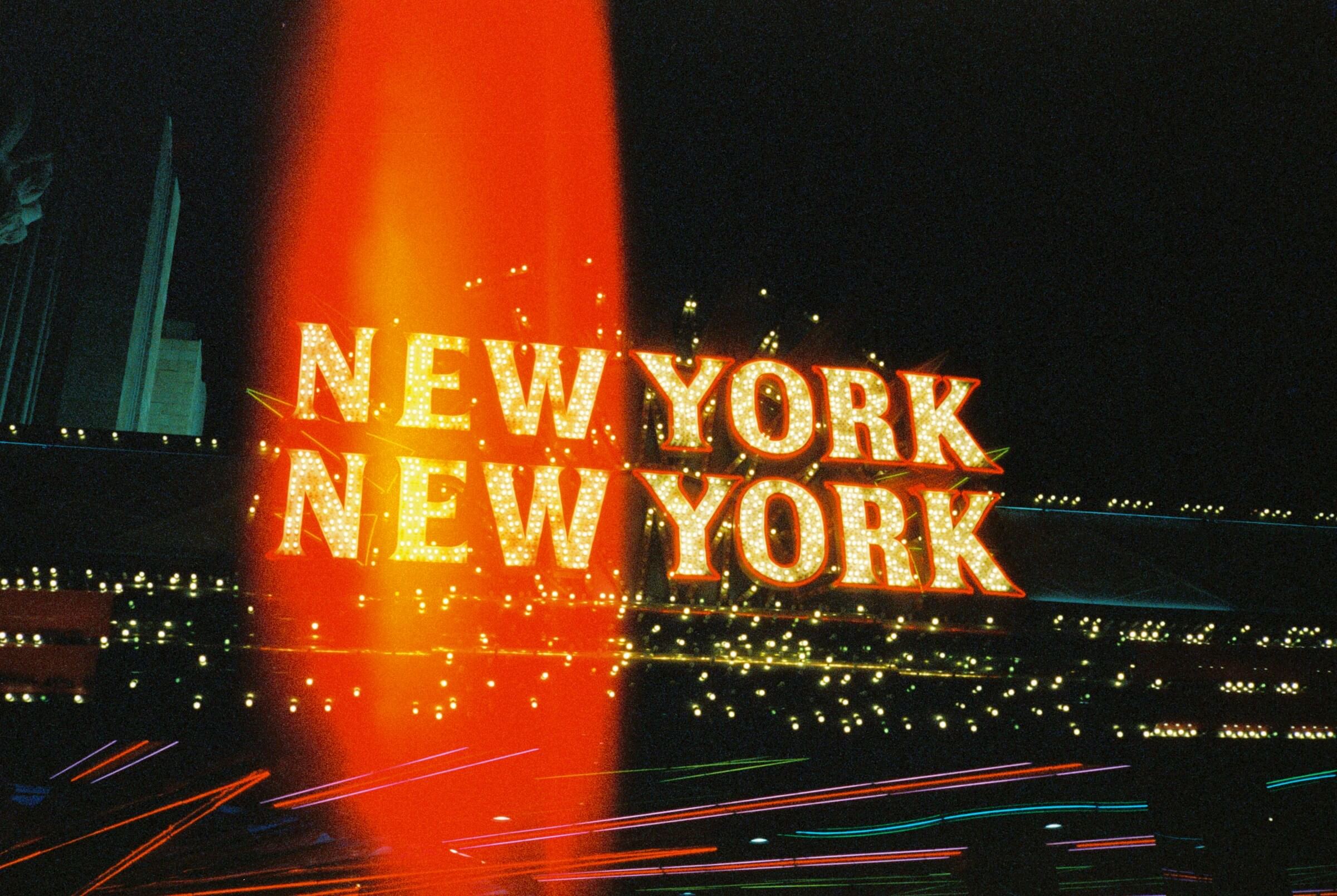
Samuele Giglio For Unsplash+
Nothing fails. There’s space. Formats once thought contemptible get multiple seasons. On stream. Box set. So much product. This shoot, this director, has notions. Wants gloss. He tells me: those shows in old times, those 70s shows, everything shone. Those bleached scenes, harsh edges from video stock. Everything told you: this is a show to watch. I’m not disinclined. We, all of us, crafts and trades, want resumes with name recognition. To say: yeah, I did that show with billion numbers. That show of which people talk fondly, when they’ve a thousand channels. Yeah, I was behind the lens on that show your sister streamed on her honeymoon night. We all want that. We want to believe this director isn’t some blowhard. So he wants gloss on everything. Gritty. Gritty gloss. That look from when colors were different, processing was different, when people’s skin was different for all I know. But we shoot digital, nothing else makes sense. What once was a factor of technical limitations we recreate through filters. It looks flat. It looks fake. The producers blame the director. The director blames cinematography. Because it would kill his balls to recognize he’s just smoke.
This great location: New York, where television gets made. California’s hot for spectacle. They’re movie heads. They like long hours green screening plastic suits. New York is for home entertainment. I did a sit back in England but nothing there works as it should. English creatives can balls up the greatest idea. Some know I was born there. But as all I speak are words of resolution and transit, people are mostly too antsy to unpick the accent.
This thing, it’s a spoofy detective thing. In the times this director claims to revere, the buyers of television demanded immersion. Though just Baptists used that word then. Those producers with their wide collars and Newport Convertibles saw the people had to believe television. Westerns had to have honest families pioneering wide spaces. Sitcom had to be grounded in digestible takes on marriage. A detective show had a guy solve crimes and a girl he never got with. Those things existed as product lines, separate from each other. A detective show that was really about the guy’s ulcer or played crime for laughs or broke the fourth wall, that wouldn’t get syndication. Eyeballs had to believe. Now everything’s ironic. Nothing holds weight. And along with a dopey cast and toothache script, this director wants glossy grit.
Locations aren’t my issue. We use what scouts find. The pressure of permits and greedy old ladies, that’s their gig. I get to make noise about reflections and shadows. But every where’s shootable. Yeah, it matters what’s behind the talking faces. Postproduction can fix that. There’s not many grand shots in a serial. I take the bare street. Engineers land the monsters.
Today we’re paused. Our director says: a few hours, something needs adjustment. Which means someone’s sick or losing their shit or a screwup. With lean crews on tight turns, an almighty array of screwups enters the possible. It only needs one missed call. I take a walk.
As a kid in England, New York seemed impossible. TV shapes: windows in the sky, flying bridges, garbage around the polished feet of some tough guy. Women, wise with hard love. A city endless within itself, no one could fully know it. Now I have the privilege to encode these streets in digital storage. To present them, graded for purpose, in the struggle for whatever attention viewers can spare. So much product, so little time.
Walking north on Sutton Place, the East River close enough to taste, among tall replications, perfect towers. Thirty stories maybe, my focus lost in their scale. Thousands of lives have taken steps to reach here. Acquisition ground out from the day job, from fortunate business, from that relative’s opportune passing. How the sun picks apart window corners. How cement sections red brick. What this straight road says about what’s accomplished. I take a few frames. For that reel I’ll make one day.
The Queensboro Bridge hints at its crossing in cables and diced air. Rusted ambition glimpsed among buildings. I take a few frames. I like how sunlight shines the street in all its glinting angles. In a real show, here is where the detective questions some social princess. A daddy’s girl, slipping the ties. I see it without knowing just what it is. I don’t guess a producer would bank me.
The bridge ramp runs beside East 59th. Among reasons a cameraman loves New York, this muscular scatter of arbitrary objects confounds the steady repeat of apartment windows. Aspiring verticals daunted by this moody horizontal. No petty protectiveness. The bridge goes here. Its anchor, its ramp, take all the space required. Everything must be lassoed together by photogenic steel. In a real show, the detective would get in his car, head west and a truck, glossy black, dark windows, looms down from over the bridge, gets up on him before he accelerates, strikes sparks from his tail. With a side-on tracking shot, these streetlights and trees at regular moments maximize parallax, makes everything faster. I don’t guess our director ever framed a chase. And the guys in beards tell you they can do it in effects.
There’s a humbling – I don’t get brash about it – to know in each tall building people see my work. Not connected to me, of course not. They see hospital shows, knotty dramas, twist in the tail gotchas, that zombie affair. They don’t know the life of pictures, nor should they. The camera delivers a vision. They see what I see. I make their eyes go where I take them. Yes, the director chooses shots, the editor cuts them to pieces. But the audience watches the residue of that thing I saw one time. I’m not brash about it. You don’t part the drapes on the magic of television.
A high, fine light lands over the ramp. Mostly Manhattan is shadow. Tall buildings to the road line, corners don’t see the day. The bridge declines to its anchor, gives enough air for the sun to strike windows at ground level. People keep the shades low. Can’t see a thing when sunlight floods the screen. If I set up right now, all this would look sterile, bleached air on pixels. Takes filters to make things real.
First Avenue at the corner. A diner spills tables. Not a classic diner. Repro. Where my detective would meet a bust-out cop. Main character energy, steam twirling conveniently in a neon flash engineered for that purpose. Little bombs jog the synapse, and viewers think ‘That’s real’. Worlds built from steam and light.
Beneath scored stone that gives the bridge its lift off, a vegetable market brings untidy organics among cinders and cement. This guy, each early day, unfurls canvas, stacks trestles, measures success precisely in grapes and zucchini. All weather, any hour of daylight. The perfect witness.
An older lady stumbles a little turning aside from the stall, arms despairing the weight of produce in woven bags. Her look is across the intersection. She moves stiffly. Her coat folds and droops predictable ways. A figure to place in the rims of scenes, the occasional movement through and leaving shot. To fix the aim on the character. To tell viewers this is a real place, with real people aside from the action. Extras by the hour. Told to walk and not look at the camera.
The delivery guy tips up his wheels on the curb, cutting the corner. Fat wheels. The fat wheel electric bike they all have. Hands in big gloves on the bars. Shows just a few years back didn’t have delivery guys in street scenes. Just cars parked with unnatural precision. The street changes. Scenes need delivery guys. The guys in beards say they can add figures in post-production.
The old lady takes fright. The bike moves fast but not that close. It’s foreshortening. At this angle it looks close. It’s not. She reacts on it. Throws her arms like the guy hit her. The bags take a second to drop. Unaccustomed to loose air, they strike the ground and tumble. Oranges, at pace, roll in three directions, till the friction of their lunar surface starts to catch. Glossy eggplants, done with gravity, wedge the gutter. Cherries explode in shackled pairs like fugitives on the run. Cabbage does nothing. Drops and stays, its earth instinct satisfied. Bell peppers, yellow and green, fly over her head, intersect in midair, fall and roll with astounding vigor, driven by emptiness. Tomatoes bleed out, too fragile to survive.
New Yorkers are kindly people. They move to help. I’m closest. I take to my knees to gather her goods while she sends smiting words behind a man already across the next block.
“Scum is what they are. Roaches. This is the sidewalk.”
“It is.” I glance up at her.
Angry flashes boil her cheeks and her arm – freed of baggage – drives accusations toward messy distance. “I seen him before. I know him. Running people down for measly dollars. They’re sick.” There’s sturdiness to how she cuts the air. Her coat drags over and back on each angry gesture.
“Most of this stuff’s okay. Just needs a rinse.”
She looks at me like trying to fathom my presence. “Do you not think I wash food before eating it? Look where this place is. The bridge right there. Everything’s soiled.”
The bags are plain, coarse material. Hessian or something. I pack her groceries with ridiculous care. “I think the soft fruit had it.”
“It should be in the trash. Place is messy enough.”
I scrape her tomatoes and cherries while she buys more, loudly telling the stall guy she got run down and these riders are scum and where are the cops anyway. The cherries fly into a trashcan layered with stickers for noisy causes. Those visual details round out a shot, make it real. The tomatoes are split and weeping. My hands get messy. I wipe them on crushed paper in the trash. I look a bum.
Her bags prop each other’s weight while she gives the stall guy that wisdom he hears every day. I pick up the bags to hand them to her, as a polite, parting move. But she stamps onto the crosswalk, glaring at the red hand. Once she hits the far side, I’m a grocery thief. I hurry after, ignoring the precise insult from the man behind the screeching horn.
At the corner of First, the apartment building extends a green tube canopy out from the door, mirrors hung each side of the struts to see who’s around before you step out. I got a shot lined up from inside the door, looking onto those mirrors. The detective sees a half-figure, blurred, hanging back. Instinct kicks in.
The lady can’t hurry but barreling certainty gives her the look of forceful motion. She strides under the canopy, through the open doors. I guess I follow, irritated more with myself than with her assumptions about me.
The doorman doesn’t stand but levers forward on the counter, to signal standing up is on his mind. “Mrs. Lauriston. I trust it’s a good day.”
“It is not, Felix. Not at all. Yet again I was close to death with those infernal bike riders. He sliced right across me, not a care in the world. Only quick wits kept me from the emergency room. Do you see them ride along here?”
Felix glances at the doors, the remote sunlight beyond. “I have a partial view. I’m aware they have no manners.”
“You’d do me a great service to remind the police of their duty to honest citizens. These roaches are intolerable. Illegals.”
His face a somber mask, the doorman nods. “Absolutely, Mrs. Lauriston. I’ll inform the captain at 17th.”
“Not that the police are much better.” Satisfied with that, she flurries to the elevator.
Her presence erased me. She didn’t say what I am. The doorman couldn’t care. Here’s Mrs. Lauriston. Here’s her grocery shopping. An extremity of the delivery system that traded those vegetables into the city, I merit no more acknowledgment than a sack or handcart. I slot quietly into the elevator, trying to lose my thoughts in gilded trim. Most elevator shots are mockups. Three coated plywood flats and doors worked by stage crew. A panel with lights clicking up or down, a little motor noise. Shooting in an actual elevator is mostly worse, all shadows and no space. What is real is what looks real.
At the door I think we’re done. But she works the keys with that surgical care old people have for locks. A wedge of light falls to the hallway, sharp-edged, busy with dust. It’s surprisingly hard to get that effect on pixel.
A three-bed on the sunny side. She introduces me to it through an instruction to take the bags to the kitchen. Not the grandest home I’ve seen on location but clearly reflecting a taste refined through years. Objects contend for attention. Furnishings bear witness of prior times. I ask does she want the produce in the crisper and, when she doesn’t reply, do it anyway. There’s California wine on the shelves and cuts of meat seeping into wax paper. I take a few frames because refrigerator interiors are stages. What’s planned, what’s unexpected – someone reaches inside to find something, to notice its absence. The kitchen has a dormant cleanliness, the counters bare, the stove polished. Not a room where people spill crumbs. A dented kettle on the shelf, dried up inside, stretches my face through its dull luster. A spice rack: jars of dust faded white by the sun.
In the main room she’s at the mirror, working a hard brush through tinted hair. “Thank you for your efforts.” She speaks through the glass. “It’s still a reasonable time to take coffee. The machine is straightforward.”
“You want coffee?”
That baffled headshake, like she’s directing business on a laggy call. “I believe I just said that. You may join me for coffee, as thanks for your efforts. You can follow what I’m saying?”
“I follow fine.”
“Not American, are you?” With shrewd displeasure.
“I was born in England. I’ve lived here most my life.”
“Yes, I detected something.” She continues brushing, though her hair scarcely moves. “Lauriston is old Scottish. Of course we’ve been here since the start. It’s too bad how this neighborhood’s gone. This was once a fine city.”
“I’m Glen, by the way. Glen Adams.”
“Is it?”
“What?”
“By the way. You say by the way you’re Glen Adams. Is it by the way?”
“I suppose not.” I fill the machine, look for cups. Cupboards crammed with crockery, all clean and in its spot. Not so much homely as hardware exhibits. “Do you take milk?”
“There’s a jug in the third cupboard.” Her voice has a bright edge. “Bring the jug.”
I can’t balance it all nor find a tray, so deliver hers first, surprised she’s on the couch, watching TV on mute. A sitcom. Static stuff in cluttered rooms. The humor of misunderstanding. Shoot one talking head. Shoot another. “Studio work.”
“I beg your pardon?” She frowns at the coffee. “This is strong. I suppose how you take it. Yes, this show is substandard. Many things are.”
“There’s no challenge to this. It’s all laughs.”
“That may be a misapprehension.”
“There’s no movement. Comedy can have great movement. Not this.”
“You watch a lot of television Mr. Adams?”
“My job. I’m a cinematographer. Courtesy title. It’s a small unit.”
“Could they not find an American to press buttons?”
“I’m sure they could.”
“And you don’t work daylight hours?” She blows through her nostrils. “Do sit down. You’re positively looming.”
I can’t sit next to her on the couch. That would be an outrage. I perch on the hard lip of the armchair. “We’re paused today. The director has an issue to resolve.”
“No wonder these shows are so costly.” She sets aside the subpar coffee, wipes her lips and folds the Kleenex. “So, what would you be doing, if you weren’t ‘paused’?”
“It’s dramedy.”
“I beg your pardon?” She flips the channel. An ad for biscuits. Regular biscuits everyone eats.
“Comedy drama. Measure of both.” The coffee defeats me. I put it far from my elbow.
“You say ‘dramedy’?” Her dry, complaining tone unpicks the syllables. “That’s a word you say?”
“In the business.”
“The business.” An ad for that airline that had a near fatal.
“It’s a detective show. This woman and man. With comedic elements. Riffing off New York lives.” I nearly say ‘New York cliches’ and switch it, last second. She had eyeballs and eyeballs are value.
“You’re not exactly explaining it, Mr. Adams.”
I don’t want to. The concept’s dire. “This woman and man, they get thrown together. She inherits a detective business from her late husband. He divorced her and was a no-good, so the audience cheers for her and doesn’t care he’s dead. The business is on the skids. She wants to quit but meets this former cop, he’s knocking doors looking for a job. He left the NYPD when he took the heat for something, protecting a friend. He did a good thing, so the audience cheers for him and doesn’t care he’s a busted cop. He persuades her they can make this business pay, with her smarts and his contacts. She’s very Manhattan. He’s very Bronx. That’s the comedy engine.”
She changes channel. An ad for robot pandas that hug your neck. “What do you mean ‘very Bronx’? Spanish? Black?”
“He’s this salty white guy.”
“There are no white guys in The Bronx.”
This latest morning gab show. Women with good hair on a half-moon couch overtalking each other. Appealing their points to the audience. Clasping razor fingers. I can’t guess how these people made livings before daytime TV. My eyes wander from the screen.
This room has airless, modern style, but still there’s pictures in frames. Family groups, children and men, loose and hearty. Older ladies, rod straight, smiling like they hate each other. A monochrome guy with slick hair, at a desk, looking off from the camera, like something he doesn’t trust is around the door. Relics from days when people prepared to be photographed. When they buffed themselves, took a pose, made a feast of pretense. A photograph as material, to be treasured, burned or cried on. There’s drama to these pictures. It wouldn’t sell. “It’s a contrast thing. In their opposed characters is the tension.”
“And you call this ‘dramedy’?” She digs her nail against the remote. A glimpse of news, a hospital procedural, a man whose issue is foot care. Mute, truncated shavings of TV. She settles on costume hokum, award fodder from this last year. Shot in a bargaining style, glances and holds then sudden eruptions. Polished, solid production. We watch these upper crust no-goods footle their moments away. As some swell takes off on a horse, I hear the wheels of the dolly skim the track. Most likely a high number take, to get that desperate sheen on the horse’s neck. That’s two hours’ work, maybe more. As they ride by the mansion I wonder if windows gleamed so bright back then.
Mrs. Lauriston avoids audio, content with silent scenes. She reaches to her coffee but doesn’t drink. “I stay active, you understand that? I go out each day. The market. The store. I don’t waste it on canned entertainment.”
“My grandmother told me, when she was a kid, there was no daytime TV in England. No TV till evening. All effort was focused on those few hours.”
“You think I’m old as your grandmother?”
“Just saying.”
“That’s my grandmother. In the cloche hat. They had TV then, though not many watched. They had baseball and skating.”
“These your family?”
“My sons and daughter. At some significant birthday. You see how well they present. They’re a credit.”
“Are they in New York?”
She aims the remote but holds the channel. Some furious row in costume world. Two men seethe amid sumptuous decor. Two cameras interspliced, to flow the action. A father and son perhaps, arguing on the son’s plans. A warhorse device. Simple and credible. With assuring predictability, their spat gets interrupted by a flunky with a letter on a silver tray. The older man rips the seal. Of course it’s bad news. “One of my sons is on Wall Street. He works all hours. He keeps a place in Westchester. The good part. He drives me there, some weekends. My other son is in California. He used to work with computers but now he stays at his beach house. He hasn’t worn a shirt with a collar in ten years. My daughter married an Italian prince. They have princes in Italy. They don’t call them that. She has the responsibility of several villages. La principessa, the old men say.” With a click she changes channel. A clean-looking elder guy demonstrates drywall. “Before you ask: my husband is gone. He had a misfortune. You have children, Mr. Adams?”
Always, I tighten around that question. “No. My partner. We can’t make kids. It’s okay.” Sonia need never stretch her model figure.
“I wouldn’t be without my children.” There’s satisfaction to her tone. A score totaled and banked. “I’m sure you and your… partner have other interests.”
Sonia doesn’t work so much these days. She spent her whole twenties in front of the lens. She still gets recognized. “Is that your husband?” The guy at the desk. Something there, how light and shade make canyons and heights of his shirt. A landscape folded by lava. Books crazy-drunk on the shelf at his side and, behind the eclipse of his spine, a window gives a tight view on sun-bleached foliage. A piece of bright day long gone. That precise arrangement of leaves and light, cut to squares by the window struts. Twelve squares. A shot staged to look casual. His shrewd gaze reaches beyond the frame, to test something by the door. Old painters did that. Had figures react to something beyond their picture. To locate the scene in a larger world. What directors aspire to. Action that outstrips the screen.
Displeasure stains her throat. “Do you think I’m old as my grandmother? That’s John Cheever.”
Maybe I look clueless. Some oily-fingers technician.
“He lived in this building. My grandmother knew him. Always lurking in the basement, she said. He was famous, of course. There were all manner of parties.” She gives that look of assured disappointment. “You do know who I mean? John Cheever.”
I dredge the archive. “Writer? ‘The Five Forty-Eight’? Done by WNET? ‘The Shady Hill Kidnapping,’ WGBH I think. ‘The Sorrows of Gin.’ I probably saw them all one time.” Those binge occasions me and Sonia would uncork faded heritage stock. See the sets shake from the weight of those old hydraulic cameras, growling over the floor like Zambonis. Making the gloss my director today doesn’t get comes from that other place.
Amid cozy jollity, drywall guy does things with parge and lath. Whoever edited this kept every close shot of his hands. Mrs. Lauriston scowls at the screen and me. “Do you experience everything through television? Cheever was a writer. We don’t have them now.”
“Television has writers.”
“This nonsense?” She switches channel. The soap supreme, that rich family running their high-stakes business. Feuds and machinations. Tops on Nielsen, though no one claims to watch. “I should think this is reproduced on punch cards.”
Strong, reliable soap. Fifty-two-week production. Pay the mortgage. Take vacation. “These shows have serious management. Strict schedules.”
“Until you get paused.” She hits cartoon robots and, rapidly baffled, finds more talking heads. There’s deep appetite to watch people yak. “My grandmother said Cheever was charming, if somewhat forthright. Amplified by the bottle. She thought his wife had somewhat blinded herself to the man. Of course, wives were resilient then and my grandmother was a young woman and thought she knew better. The Cheevers moved off to the country. My son lives not far from there now. What pushed you from England, Mr. Adams?”
I have a simple truth. It fits most occasions. “There are shows there, good shows. The numbers are solid. But it’s a small market and new techniques mean less people all round. Makes it hard to build steady work. There’s opportunity here.” I thought she’d like that. Americans love their folktales, especially that one about opportunity.
“You’re an economic migrant.” There was great jaw action, her mouth a full weight of New York diction and that click as her cheekbones struck the top of their functional limit. The tee sound off ‘migrant’ stayed in the room three seconds. Louder than impatient traffic on the bridge, than yowling sirens near and distant, or one-word demands from guys who trade on the street.
“It’s global business. Entertainment. It’s vast.”
“Entertainment.” Her thumb strikes the button. A game show where stooges do deals with a guy they don’t see on the phone. That Mighty Oz arrangement: the voice that knows it all. Easy to craft, easy to shoot. Made in blocks of six per day. “What do you think it means to be entertained?”
“It’s engagement and interest. Giving a lift to people’s day. There’s belonging. Shared feelings. And trust. You trust what you’re getting.”
She scrubs her knees, brisk abrasion. “I don’t perceive you as an evangelist. This ‘dramedy’ you’re concocting, that’s entertainment?”
Don’t badmouth the show. “A new offer. It expands what people enjoy. Like new flavor ice cream.”
“Why would the world need new flavor ice cream?”
Slow, my brain makes connections. “Why would the world need John Cheever? I mean, there were story writers before. There were already stories. Why need more?”
“I’m not debating him.”
“You keep his picture.” In a plain frame from one of those stores, Woolworth or whatever, bought on lunchbreak from the secretary job, brought back to the apartment, tissue paper removed and folded away for reuse, the picture slid in and clipped tight. An artifact at once.
“He wrote her, after he left. Simple, ‘how’s everyone’ letters. A bold woman, my grandmother suggested she might go visit him in Scarborough. She could manufacture some business and take the Hudson Railroad. His replies are instructive. He’s keen, but always some reason to wait till he’s back in the city.”
“You keep his picture.”
“There are expectations in families. Her avid belief is a dinner story for my sons.”
“Not your daughter?”
“Because that would form a dramatic dyad? No, not her. Italy has its own ghosts.”
We watch silent TV. I like it. Denial of sound has the image convey everything. Another soap, the shot choices immaculate. Wide on the room, tight on the players, the anger, the close-up reaction. The menace in two faces fills the screen. Feed these scripts to an app, it can write the shot sequence. Precisely how the audience needs to see it. I don’t worry about technology taking my job. I worry it won’t take it completely. “These established shows have a house style. Near-automatic: what’s acceptable, what’s borderline. Schedules this tight, you can’t have uncertainty. It’s the product as advertised.”
“Consistency is your holy grail.”
“I’m a cameraman.” I enjoy the word. I respect it. “I need people to forget the camera. I need them right with the action and the story’s truthful unfolding. They can’t be distracted by angles awry or the sky switching color. Shots may be captured a week apart. They have to match or it’s fake.”
She takes a moment with the soap: some shoulder-heaving revelation. “Would you not say this is fake?”
Maybe she watches so much she doesn’t see it. “It’s about taking flat things – ideas, words – and making it real.”
“This is clearly religion for you.”
When I told Sonia, she talked about my formative memory as a charming playlet. A thing to put up in a half hour short, low budget. In her life, every picture is true. “When I was a kid, my mom took me places in summer. A cheap ticket, there and back. That was our vacation. She took me to Hastings. Not Westchester County. English Hastings. It’s a guest house town of slot arcades and white facades on the waterfront. Gulls and grease in the air. She thought it was important to take me places. To make memories, instead of stay home with TV. We went along by the beach, just walking. She wouldn’t go on the beach. We had just our good shoes. It happened fast and I was scared and angry. This photographer pushed a monkey into my arms. Capuchin maybe. Small and black. Little hat, like a circus hat. This man with curls and a mustache put the monkey right in my arms. He took a picture. One of those instant cameras. Used to have them on shoots, for continuity. He peeled out the picture of me and the monkey and asked wouldn’t I like if mom bought me that picture. I had this thing clawing my arm. Its weight at my chest. I wanted to throw it off. But it wasn’t the monkey. I thought mom would tell him for scaring me. But she thought this was a fun day out. She thought the monkey was fun. She bought that picture and framed it. Years later, adult years, I’d visit and there was this thing on the shelf. Me, terrified in a seaside town, and a monkey. I never got past being angry about it. That way the guy used me. Because it wasn’t a picture of me with a monkey. It was the monkey’s new trick. Fraudulent, passing as fun. I harbored that a long time. I knew it should be me taking pictures.”
“His deal was the monkey. Yours is a lukewarm show.”
A show not yet made. “I have options, that’s the difference. I shoot this and some other show. Make a commercial, a music promo – I get invited. His resume was a scared monkey.”
“That monkey deal at the beach.” The soap takes her away for a second. A man argues with a man in a car. Leans in at the window. Finger jabbing. Drama rendered comic by silence. “Your mom thought her kid would love that snap.”
“How about you, Mrs. Lauriston. Would you love it?”
I’m a grease rag to those eyes. “You’re asking what I would do?”
“If some individual flung a monkey on your kid.”
“I don’t think that would arise.” She taps the cup. “Can you make good coffee this time?”
From her kitchen window, cars on the bridge deck are bright shards under the lattice. Beyond, duplicate towers planted deep in the dirt. Where this place fascinates: the endless operation of narrative through layered streets. My detective, in one of those towers, pays an unwelcome visit. Makes a man of the world take action. Sonia’s been around the world, literally. That girl in evening threads, sand on bare toes, impassive on some poor-world beach. The image fingers flick passed to find the free samples. We don’t talk about not having kids. Or her not working so much now. When I said how the monkey guy caught me, she said I was modelling younger than her. She doesn’t like England. Lucky I’ve no one to visit.
There’s a line at the fruit stall. Must be lunch. Have your heros and subs. Fruit makes it okay. A kid’s voice launches up from the street, yelling, ‘Eight feet six? Eight feet six?’ over again with rising disbelief. There’s laughter among angry traffic. I take a few frames over the bridge, try to unpick a window in one of the onyx towers. A glimpse of something, apparent only at high magnification.
“By this time of day,” I tell her, “we might have shot twelve minutes of usable footage. On a drama. Shooting a soap we’d have knocked through a couple episodes.”
She finds a cook show. A slim woman in a tight apron mixing gloop I doubt she’d eat. Everything pieced in shiny bowls. The kitchenware in shows is always shiny. Always matching. Ingredients parceled out, showing how easy it is, home cooking after every hard day. She kneads crumbs with her nails.
“My mom was a great cook.”
Mrs. Lauriston tries the coffee, her disgust not kept in check. She watches the woman spoon gunk on a tray. “Why tell me that? You think I’ll admire you because you praise your mother’s cooking?”
She never knew mom. “She could do a lot with a little. We never went hungry.”
“Extraordinary.” That headshake. The creak of bones. “My mother and grandmother were fine hostesses. The parties they held. You wouldn’t credit. Cocktails. Appetizers. Fine conversation.”
“With Mr. Cheever?”
“My mother recalled he was kind to children.”
“Well, that’s something.”
“Well, you wouldn’t know.” She tips the remote forward and back. The batteries click on the chamber wall. She holds for the predictable moment the cook show host slides the tray into the oven and takes out another, its contents browned to perfection. Obviously, she’s telling viewers how quick and easy this is. How they can feed their family nutritious food on a budget. Build bonds, set standards, establish lifetime good habits. How food weaves people together. Mrs. Lauriston taps the button. A beer commercial, stripped of impact, guys in a bar holding glasses. No one bleeding. No one cut.
“I’m just saying my mother was home to cook. My situation is different. My partner’s a model. She works away.”
“I’m a model – model wife. You mean a clothes horse.”
“She models clothes.”
“No surprise you miss home cooking. Do you have no idea how to make coffee? Is it some genetic flaw with being English?”
“I’m unfamiliar with your brand of machine.”
“There speaks an average man.”
No, Sonia doesn’t cook. I don’t say it. This car ad runs long. From that stable of ads where the car slews around mountain curves, where it kicks waves fording the river. Where no harm comes to the car. “You say your husband had bad luck?”
“I did not say that.”
The car tears through a country byway. A horse double takes at its thrown-back dust. Just a horse turning its head, reversed and speeded. A visual gag. Horsepower. A comic touch to the serious business of selling cars. Not cars on the bridge, jammed, overheated and squalling. The folktale of endless new journeys.
“My husband was intrepid. A strong negotiator. He defeated risks like an old-time knight at the dragons. Those days when a man knotted his tie and went to the office. For the same reason as your performers. They must be in front of the camera, correct? They do the work in the place where the work must be done. My husband was dominant on his stage.”
The car scatters gravel along the access to one of those country mansions. A great-good house, a spread of trees to screen the neighbors. Car ads need romance and here’s the kick. It’s a woman drives the car. It’s a man waits for her. Holding a baby you just know smells of sunshine. Damn, says the viewer: I want that life, I need that car. Click goes the button. Workhorse afternoon drama. Twenty-two-minute format. One precise, directed spit of plot. No fancy edges. No waste. I guess in most seasons ‘Who’s the father?’ is a prime question because family dynamics catch eyeballs and eyeballs crave product. Solid work, it keeps people fed. There’s no cause to disparage.
“You understand what’s wrong with these operettas?”
“I’d welcome your view, Mrs. Lauriston.”
That stinging impatience. “You’re charmless, Mr. Adams. I’m sure you’ve been told. What’s wrong is these people have nowhere to be. They meet, they talk, their time might as well be putty. Those people outside are angry because they’re stuck on the bridge. They have places to get to. Customers and arrangements. The hours of their days are mortgaged. But these synthetic people pretend they have work. They allude to stresses. But they talk as if there’s nothing they need to be doing.”
“It’s about setting stakes. Creating tension.”
“Do you enjoy filming this stuff?”
If I say I loathe a two shot it makes me sound a nut. You can’t avoid two shots. Any work, at some time, will land on two people gabbing at each other. Information must be imparted. The wife needs to tell the husband she knows he’s cheating. The cop must explain the clues to his partner so viewers understand his process. The doctor has to give that diagnosis, to put words to what you knew all the while. You can carry information with visuals. A message on a screen. A stain on a rug. A contraction of flesh. But, often, scripts default to people talking because why do more? I’m sure even Mr. Cheever had one person talk with another. “I like to work. Today’s been frustrating. What was the nature of your husband’s enterprise?”
“Flawless in business. Undefeated. He was a tide, Mr. Adams. He carried us on.” Successive clicks bring a hotel ad, a dental infomercial, hockey highlights. She holds on a talent show. Hopefuls, believing they can. “This is poor value. No better than subway beggars. We took summer in Ossining. My husband was looking at property trades. Of course we were quickly welcomed to the local circle. Daily brunch, drinks each evening, all proper features.”
“Sounds delightful.”
“To repeat, Mr. Adams, your manners are tolerable only because this television is much worse. You are really too ignorant of the milieu. It was a time when everyone understood style. Drunks had class, adulterers had charm. We have devolved from then, steeply. Throughout that summer, each evening brought invitations. Naturally we accepted. Only affected, self-righteous people reject invitations. My husband was a strong swimmer. Strong in everything. I had no cause to think a few lengths of that pool would undo him. It was evening, of course there was ample light from the house. He had no more to drink than a great man drinks after business. The air was mild. There were no obstacles. Of course, the water was clean, the pool maintained. That labored turn when he kicked off the wall plays in my mind to this day.”
The hope-fuls line on stage, the judges berate them. The judges are not anybody. Faded singers, producers gone cold, people whose clout has diminished, recharging their game in the statesman phase of their career. Plus, it’s a rerun, an offcut of last week’s primetime with added comedy commentary which, mercifully, we don’t hear. This medium of mine is tremendous for mockery. It destroys with the glistening ease of an A-bomb. “I believe people say: ‘I’m sorry for your loss’.”
“Which you wouldn’t say in England.”
“Unlikely.”
“We are threaded with sentiment.”
Her face has density from absorption of life’s disappointments. I want a frame of her, posed as she is, raising the remote at arm’s length. But I can’t, because I can’t explain why. “I guess the worst is all the tomorrows.”
“He let me down.” She strikes the button. A sitcom reboot. “I relied on his resolve and he let me down. You know what people said, Mr. Adams? They said he left me well provided. What in the world is that? He was absent. His promise vaporized. Yet I was well provided? That’s like saying: your car got stolen but the road’s still there.”
The show goes to commercials, I guess on some climactic moment. On a sitcom you go to commercials on a laugh or a premise that sets up a laugh after the break. Satisfaction and curiosity make eyeballs come back. The purpose of television is to watch television. “People try to be kind.” I hazard it out. “With upset. They try to be thoughtful. Like when they say: he didn’t suffer.”
“I don’t know he didn’t. He probably did.”
The ads roll on. This shower gel cleans your bathroom. This bacon fixes your heart. “What did the doctor say?”
That loose, disgruntled noise: wet air through teeth. “You want to know what the doctor said?”
“I have previous with doctors.”
She scrapes her thumb across the remote’s bewildering buttons. No machine needs that much control. “Doctors present facts as explanations. They believe the cause of death describes it. He drowned, Mr. Adams. I should think that’s clear. My husband drowned in a swimming pool, on a calm night in the affluent yard of a house in Westchester County. In the presence of civilized, well-to-do people whose comfort in cocktails and loafers he wrenched aside. Of course, these wealthy, handsome men threw off their jackets and jumped in. Of course they would. Proactive people are always proactive. For three minutes the pool churned like the Atlantic. There were toys: those nonsense floats, noodles, a flamingo. I recall that flamingo bucking and rolling as the men dived to retrieve my husband. Its stupid beak pitched up and down, laughing. When the men surfaced, their evening shirts were glossy silver like regular kings. I didn’t know where to put myself. I was the visitor that ruptured the party. The women so sympathetic, I can’t stand that. Insisting they drive me to hospital. Sitting with me on the plastic chairs while the doctor speculated that my husband had some seizure that disconnected his brain from its knowledge of swimming. That’s not how a man dies. What is this awful garbage?”
There’s maybe a half second where I might share. Ladle out the trauma for her approval. People here are okay with that. They don’t find it suffocating. But I’ve nothing to match the narrative verve of an upscale evening upended by dynamic tragedy. Strong visuals: churning water catching light from the dining room, the powering arms of men swimming and diving, surfacing, hair slicked flat, bright as crowns. What can I offer? A woman saying she must lose weight because the clothes come only one size. “This is workplace comedy. Comedy from everyday situations. Situation work falls generally to two strands: events faced by large and raucous families, where the comedy comes from growing up or growing older. And strangers hurled together in a workplace, navigating each other as they try to accomplish their tasks. Both are about outwitting authority, a venerable comedic trope. In a show like this the particulars of the workplace matter only in so far as the situations those details allow. There are other comedies, outliers. New girl in town comes around now and then. A mother adjusting post-divorce: that’s more high wire. A middle-aged man cracks up and sees visions. They did that in England, long time ago. Some ideas are site specific.”
“You’re a PhD in pointless, Mr. Adams. None of that explains why it’s garbage.”
“Producers switch things around. Directors make poor choices. Usually, it’s the script. A script should pack rockets.”
As she stretches, cricks and yawns in her bones cut the silence. An older body, suspicious of movement. “And it’s never the cameraman’s fault.”
“We do what we’re told.”
“Servants of headier gods.”
Sonia did what she was told. She lost the weight. She fit the clothes. “It’s important not to be sentimental.”
Mrs. Lauriston gives a harsh laugh. “That’s the first nearly masculine thing you said.”
The weight of that monkey thrown at my chest. Sharp feet gripping my arm. That tail reaching around for a tree or vine, in flight from that moment to the next. What could it understand of photography. Its features caught by the accident of a light-sensitive surface, a characteristic emulsion of silver halides. Niépce and Daguerre in old-time France, itching at ways to fix the world in glass. Because to see isn’t enough. When the monkey died, that seaside shark threw it out, angry to lose a day’s work. Maybe he was dead now. “I’m sorry this output is poor. There’s a lot of good work in television. Budgets are tight, people do what they can.”
“And I watch it all.” Mrs. Lauriston aims the remote. “Every day.”
A news report. First I seen since this morning. A scrum of reporters. A man in a suit at the mic. “Would you put on the audio please, Mrs. Lauriston?”
“And listen to this bunkum?”
“Please. I think this is important.”
The wash of horns and voices outside quelled by the smooth assurance of a lawyer stating his case. Measured words of regret that it should come to this. Annoyance at action so needless. ‘Entirely without merit’ all of it. ‘Vexatious.’ ‘A distraction.’ His client’s profound intention to clear his name on the sanctified ground of American justice. The male lead in our detective dramedy. That rough-at-the-edges old charmer. Arrested for the usual thing. Sexual assault and attempts to buy silence. Multiple times. Through years. A catalog of historic sex abuse. They always call it ‘historic.’ Like something in clapboard with a widow’s walk.
I check my phone. First time in hours I check it. I missed the all-hands call that came a slim moment before the arrest. I missed the emojis in the group chat with the sky about to fall. The shock, the surly voices claiming they knew something. Craft guys who worked on other shows, saying they heard this or that. The writer resharing an old news report from down south. Hey, he did his research. The show’s lawyer coming in, to remind everyone what’s said on chat is admissible and to exercise restraint at this difficult time. Nothing from the showrunner or the director. The show’s canned. It’s finished. “I should go. This issue.”
“Was he supposed to act in your show?” She takes out the sound. The street comes back, gloriously vibrant. Cars complain, kids throw shade, this raucous energy so hard to contain in a screen. “I must say I never liked him. Always seemed pleased with himself. That movie he did was really poor. I don’t see how these people get famous, I really don’t. Their actions are awkward, their speech is lazy. Is that success in your world?”
“Very much so, Mrs. Lauriston.” I stand, the air vibrating. “I’m sorry that nothing’s good enough. I’m sorry my coffee is bad.”
“Does your partner not tell you about it?”
“No, Mrs. Lauriston. She throws it up. When she thinks I don’t hear.” The door tries to get away from me. I grapple the catch. “I’m sorry your husband died. I’m sorry television is not to your liking. I think it’s okay.”
That look of toxic pity. “You’re a man without center, Mr. Adams. From job to job, nothing accumulates. Life withholds on you and you don’t even know. Mind the paint. You’re fully clumsy.”
The pain where I hit my back with the door is the only fresh feeling all day. From the cluttered photographs of good teeth and happy occasions, that guy at the desk stares past me, grappling beyond stilted visuals to some greater space. His hands, dark below, vivid light on the knuckles, grip that old typewriter like he might dive inside it and swim, swim.