Planet Volumes For Unsplash+
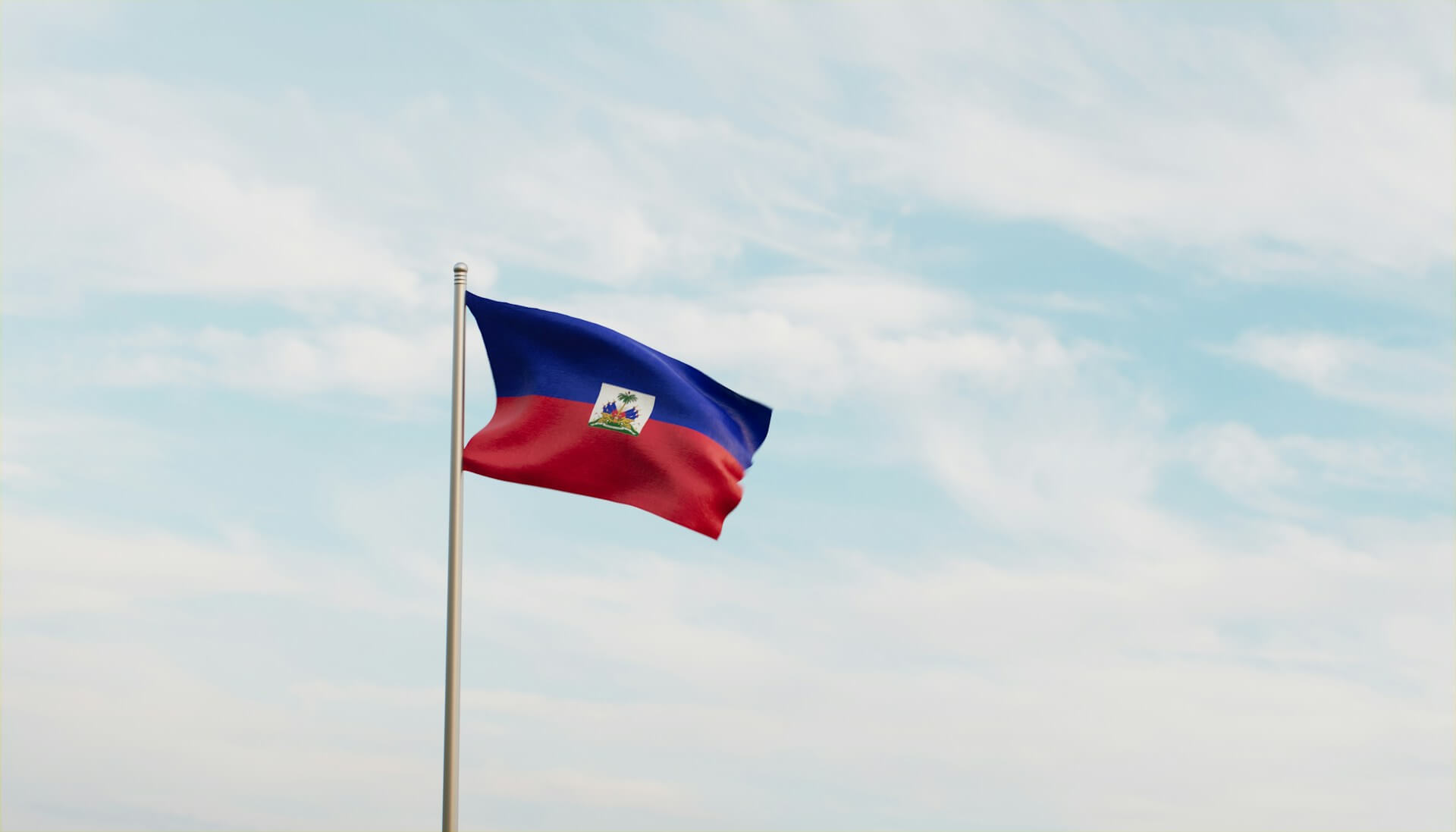
In 2008, for my college graduation, my family and I took a cruise on the now infamous Carnival Triumph. I don’t recall what we ate for dinner that first night, but I still remember our waiter. A dashing black man with a French accent dazzled us with a card trick before taking our drink orders. Glimmers of chandelier light reflected in his glasses as he introduced himself as Jean Pierre, and his name tag said he originated from Haiti.
I’d never met someone from Haiti, but I had taken a Caribbean lit class and studied its history. The island, once occupied by French colonizers, had an enormous slave population, who were forced to do grueling work in sweltering sugarcane fields. The conditions were so inhumane that the life expectancy of a Haitian slave averaged seven to ten years. Infuriated by their treatment, the working people revolted and toppled an empire. Inspired by the French Revolution, they overthrew landowners and politicians. Their army, led by Toussaint L’ Ouverture, defeated Napoleon’s troops. Haiti became the first black republic and the first country abolish slavery in the Americas. But their rebellion made them new world pariahs, and their country was ignored and forgotten for centuries. In 2008, Haiti had the highest AIDS rate in the world and the worst poverty in the western hemisphere.
On our first night, Jean Pierre stood elegant and charming before our table, and I became fascinated by him.
One dinner, I asked, “What’s Haiti like?”
With downcast eyes, he answered, “My country’s extremely poor. My wife and son live there. Everything I earn, I send to them.”
For the duration of our seven-day trip, I witnessed Jean Pierre laboring nonstop. From burger stands, to salad bars, to sweeping floors deep into the night, he was an omnipresent work force from 9AM until 1:00 in the morning.
When I closed my eyes in bed, I pictured him working.
Our last night, he served us lobster on silver platters. We handed him an envelope filled with a lavish tip and a thank you letter. Instead of opening it, Jean Pierre tucked it in his shirt pocket, hugged each one of us, and returned to clearing tables.
In 2013, the cruise ship—Carnival Triumph—made national news for becoming the “Poop Cruise.” A fire onboard wiped out the electricity, resulting in toilets not flushing. By the time the boat harbored, it dripped in raw sewage. When Netflix aired the documentary, they focused on ruined bachelorette parties and dream vacations turned nightmares. But no one interviewed the people, like Jean Pierre, who had to clean up the filth.
In 2008, I was in my early twenties and naïve, but this trip exposed me to something I think about to this day. No one should’ve worked Jean Pierre’s hours. Cruise ships often hire people from impoverished countries and take advantage of them, sometimes only paying them two dollars an hour. Out on the open sea, on a boat filled with drunk passengers, labor laws are often ignored. These companies have a dark history of exploitation.
Since 2008, Haiti has endured a myriad of devastating events. In 2010, a 7.0 earthquake decimated the infrastructure and killed more than 200,000 people. Today, motley gangs run the capitol, and one notorious criminal, Jimmy Barbecue, gained a nefarious reputation for burning people alive in their homes. I hope that Jean Pierre and his family are alive, safe, and thriving.
The story of labor is one of silence and one unseen. It rarely grabs headlines or features in Netflix specials. Right now, somewhere on a jumbo cruise ship, far past booming dance floors and gluttonous buffets with enough food to feed Port-au-Prince, people like Jean Pierre work fourteen hour days, earn a 1970 minimum wage, and try to provide their family salvation.