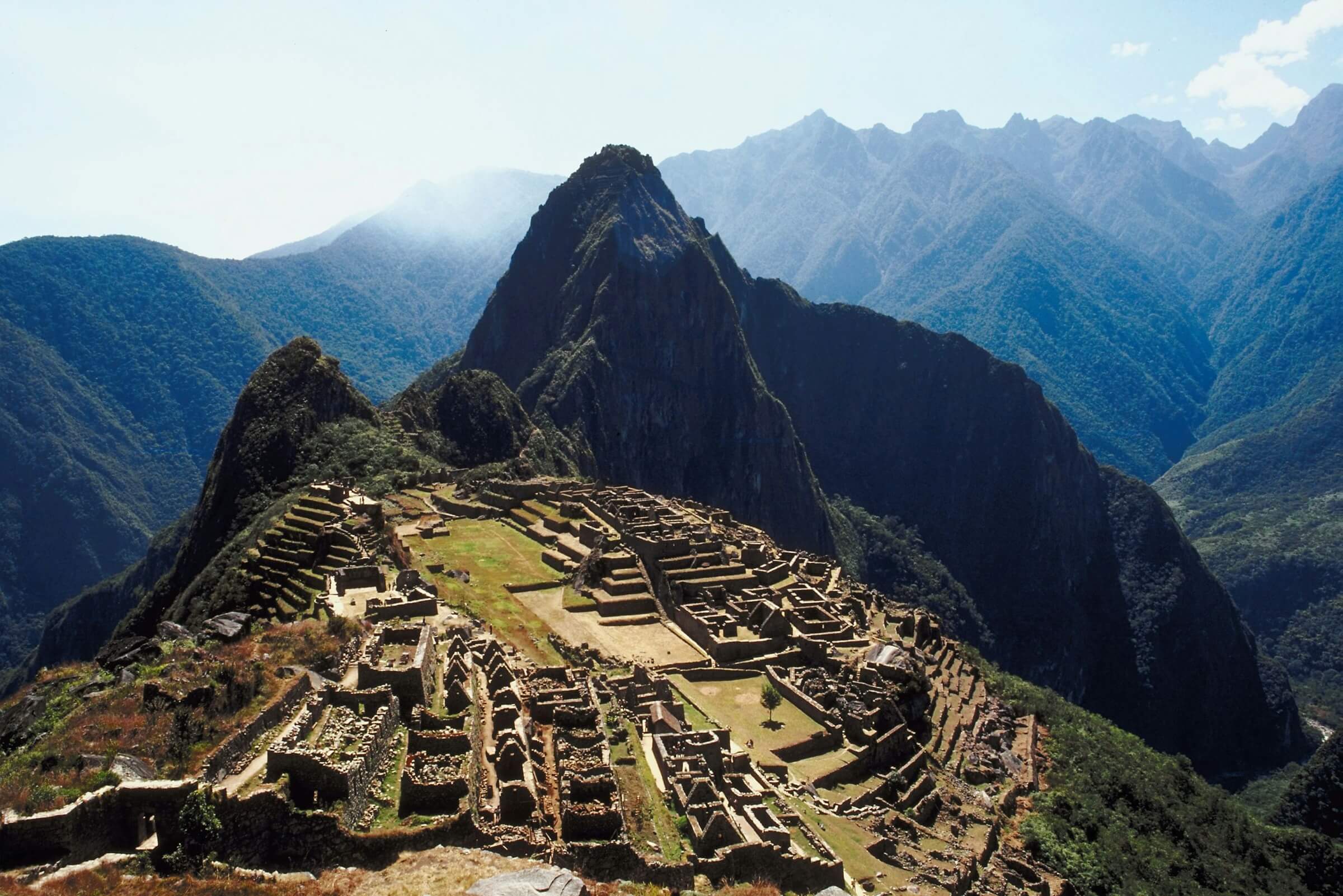
Getty Images For Unsplash+
Querrán volarlo y no podrán volarlo
("They will want to blow him up and won't be able to blow him up").
Querrán romperlo y no podrán romperlo
("They will want to break him and won't be able to break him").
Querrán matarlo y no podrán matarlo
("They will want to kill him and won't be able to kill him").
- Alejandro Romualdo
Old Francisco Gutierrez lay in his bed, his stomach heavy and bloated. A white porcelain soup bowl crusted with the remnants of lunch cluttered his nightstand, joined by numerous orange plastic prescription vials, some tipped on their sides with a few crumbled pills inside, as if defeated by the weight of their responsibilities. A stack of half-opened mail teetered off the edge, kept in place by a CPAP machine he refused to use despite the nagging of his sweet and well-intentioned wife, and a frayed prayer card to San Martin de Porres.
Yesterday, or was it today, he’d sat at the dining room table hankering for a lomo saltado like Rita used to make for Sunday dinners when the kids still came around. She’d reminded him that he’d already eaten supper. He’d shrugged, chalked it up to old age, and walked back to his bedroom for his most common activity these days: a siesta.
That was the routine he found himself in over the last few days. Or maybe weeks. It was hard to tell time when he hardly left home. He knew it was the first of May. His boss, whose name escaped him, distributed paychecks every first of the month. He’d walk to each salespersons’ desk reviewing their last month’s sales in excruciating detail. Francisco didn’t care about numbers. He cared about people. He was good at relating to his customers. He’d ask about their commute and give them advice on avoiding the busier streets. He’d find out about their families and consider them in the cars he’d recommend. Even though at Rita’s insistence they’d moved to the more upscale Miraflores, he still felt a tie to his old neighbors in Pueblo Libre.
“Rita,” he called. The clink of dishes and silverware going into the dishwasher were as clear as if she was right next to him. “Did I get a check from the dealership today?”
The rushing water from the sink stopped. The sound of her footsteps made their way towards him.
“I can’t hear you from the other room,” she yelled.
He forced his legs over the side of the bed. His feet dangled inches from the ground. He counted to five like his doctor had told him, otherwise, he’d get dizzy and trip. He’d fallen a few months ago, which had made his wife and son worry. They’d installed night lights all over the house. And a handrail in the shower! He didn’t need that type of attention.
“I said, did Manuel give me my check for the month?” he shouted.
Rita rushed into the room. She dried her hands on her apron, tied her hair back in a ponytail, reached under his armpits and pulled him up.
“Manuel quien?” she asked.
“Manuel, from the dealership. Who else?” he said.
Rita had that look, like when he left dirty dishes on the table or forgot to tell her he was working late.
“Ay, de que hablas? You haven’t worked there in over fifty years,” she said.
“No, but today’s the first,” he mumbled. His voice trailed off.
“Come on, viejo, let’s get you comfortable.” She locked her elbow around his and led him out of the bedroom. “Maybe we can find something good on TV.”
He shuffled along her side. The clutter around the house caught his attention. The hutch by the front door was covered with junk mail, boxes of lightbulbs, and knickknacks his wife bought at garage sales. A large porcelain figure of a man riding a horse and carrying a joust loomed on the entry table. He’d always been meticulous about keeping a clean home. He couldn’t remember the last time he’d done a good old-fashioned spring cleaning.
Rita set him down in his recliner. Two glass cabinets, framing a large television, displayed engraved plates, dusty gold-trimmed glasses, and portraits of kids in graduation gowns. He grabbed the remote, but it was a mystery to him. She turned the TV on. Images of Machu Picchu panned slowly while a voiceover explained their history.
“What’s the date again?” he asked.
“It’s the first of May,” she responded. That tone of annoyance in her voice again.
“I’m supposed to do something today,” he said. The thought felt as if it had been on the tip of his tongue, but he’d swallowed before he spat it out. Its taste lingered just enough to know there’d been something there, but not enough to know what the thought was.
“Don’t worry about that right now, viejo, just enjoy the show,” she said. She sat on the couch next to him.
“Pero, I need to get my check, so we can go out to dinner tonight.”
He turned to see why she didn’t respond. Her mouth hung open and she snored ever so quietly.
***
Margarita was sick and tired of everyone telling her what to do. She knew how to take care of her husband of fifty years. She didn’t need some jovencito rummaging around her house, organizing her husband’s drawers or cooking dinner. But at the insistence of her son, she’d reluctantly agreed to hire a caretaker for a few days a week. Gus was his name.
“Rita,” her husband called out. She let out a sigh, turned off the sink, and walked towards their bedroom. Francisco was sitting on the edge of the bed. His socked feet hanging just above the floor. Two large strands of white hair stuck straight up from his shiny bald head. For a minute, she regretted not agreeing to give Gus some extra hours today.
“I said, did Manuel give me my check for the month?” he asked.
“Come on, viejo, let’s get you comfortable,” she said, trying to sound like nothing was wrong. She led him to the living room, careful not to trip on the rugs her son kept nagging her to throw away.
She sat him in his recliner. That damn remote was so complicated, but she managed to get the TV on. The voice from the announcer made her husband sleepy. She was jealous of how easy he fell asleep on that chair, seemingly unconcerned by everything. He was getting more confused every day. Sure, he forgot names sometimes, thought it was the wrong day of the week, and got lost a few weeks ago when he went to the store by himself, that was terrifying, but he’d never messed up the dates by fifty years. She laid her arms on her stomach and closed her eyes, just for a minute.
***
The voice from the television spoke in the steady tone of a college professor.
Tupac Amaru the second was a revolutionary, who fought against Spanish colonialism in Peru in 1780. He descended from Incan royalty. His great-great-great grandfather was the last emperor of the Incan empire.
The dismembered voice spoke over shots of ruins nestled in lush rainforests and mountains, indigenous people working in an open-air market, and then drawings and paintings of Tupac Amaru.
After leading several successful revolts, Tupac Amaru was captured and tortured. However, his death was not in vain. It led to the beginning of the Peruvian War of Independence.
Francisco remembered learning that story from the nuns in grade school. He and his friends, Pablito, Hernan, Felipe, and Flaco, couldn’t stop talking about the gruesome picture in their textbook. The one where the Spaniards tortured Tupac by pulling him apart with four horses. They would imitate the scene in the playground during recess, one unlucky bastard pulled from all four limbs. A nun would reprimand them from across the yard every time, and they would drop Tupac like a sack of potatoes and scatter.
The documentary cut to commercial. Sizzling plates of fajitas flashed on the screen.
He really should go to the dealership to pick up his check. Then he’d be able to take Rita to Chili’s and order those fajitas in the sizzling pans that filled the restaurant with smoke, and they’d eat until they were stuffed and drive home with the windows down.
They never went anywhere these days. Rita deserved a night out.
He adjusted the recliner, stood, but not without pausing for five seconds, then shuffled to the kitchen, careful to not wake his wife. He grabbed a set of keys from a wooden rack hanging on the wall. The initials RG were painted clumsily in blue on the bottom right corner. It must have been one of the neighbor’s kids, probably the Garcia’s. It didn’t matter. He needed to get his check before Manuel left for the day. He opened the garage door, got in the car, and backed out to a sunny Florida afternoon.
***
Margarita woke up from a short nap. On the TV, the announcer spoke about Machu Picchu.
She slept in short bursts these days. She rarely got more than four hours of sleep before Francisco stumbled and groaned out of bed, making more noise than she thought necessary, whether it was to urinate for the third time or to have a bowl of cereal at two in the morning. She’d lay awake thinking about bills to pay, her kids not calling, her back hurting, the next day’s multiple doctor’s appointments, or one of the hundreds of other worries that occupied her mind. She didn’t know how not to worry.
She stood, her legs weak, to fix herself a snack. She didn’t eat enough at lunch. And besides, Francisco would be asking for dinner soon, might as well get ahead of it. Come to think of it, where is he? He must’ve gone back to bed. He spent too much time in there these days. His comment earlier about Manuel and the car dealership had bothered her. He’d never mixed-up years that bad.
“Paco, do you want some fresas?” she called out, grabbing a plastic container of strawberries from the fridge.
No answer. Why didn’t he wear his hearing aid? He was so stubborn, like with that breathing machine. If he wore it, he wouldn’t snore so much and let her sleep.
“Paco,” she said, the package of strawberries in her hands. “Come on, let’s get up and eat something.”
He wasn’t in the bedroom. Or the bathroom.
“Francisco,” she called, louder, hurrying to the guest bedroom, which was mostly storage these days. The room was stuffed with bins of mementos from her kids’ youth: their report cards and art projects they refused to take to their homes. Her husband’s old desk hosted piles of junk mail. His old laptop sat unused. No Francisco.
He’d probably walked to the mailboxes at the end of the street. She would drive around the neighborhood and find him that way, but when she opened the door to the garage, her hand reflexively reaching for the keys on the wooden holder, found air.
She flipped the lights on to an empty garage.
She grabbed her phone and called Gus.
***
Gus sped to the Gonzalez’s house. Margarita had sounded more distressed than usual on the phone.
“Francisco is missing,” she’d said. “He’s taken the car.”
This was the first time he’d gone missing, granted Gus had only been working with them for a month.
He was scheduled later that day, so he didn’t mind coming in a little early to help with this crisis. Besides, he liked the Gonzalezes, and he really couldn’t afford to lose this job.
He wiped the sweat off his palms against his scrubs. The last time he’d cared for an older couple they’d complained to the agency that he was too messy, his clothes too wrinkled all the time. He’d been so nice to them. He’d stay late if they asked, drove them around, and still they complained. The job before that had asked him to leave at the end of the first day. They said they had wanted someone who spoke Spanish and were lied to when they were told Gustavo Reyes would be their caretaker. It wasn’t his fault his parents hadn’t bothered to teach him Spanish.
His dad used to make him speak Spanish to his grandma when he was a kid, but it never stuck. And when his parents got divorced and he went to live with his mom in a much nicer and whiter neighborhood, well, that was the end of that.
He’d brushed up on his Spanish a little for this job. He couldn’t afford to lose this one, or the agency would fire him. Three strikes and you’re out, they’d said.
Mrs. Gonzalez stood outside the front door, arms crossed, as Gus pulled up. Her old flabby arms stuck out of a sleeveless blouse.
“Gracias, Gus,” she said, stepping into the car. “Where should we start?”
***
Francisco’s gold Toyota Camry crawled along the far-left lane. Cars sped around him then cut in front. He cursed at the reckless drivers but kept his attention forward. He craned his neck over the wheel to read the street signs he passed: Lyons Avenue, Military Trail, Lawrence Road. These names didn’t sound very Peruvian. He must’ve made a wrong turn, but he was determined to find his way. He needed his check so he could treat Margarita out on a dinner date. He couldn’t go back empty-handed this time.
“I’ll turn back if I don’t find it ten minutes,” he said aloud. But how could he not find it? He’d worked there most of his adult life.
After ten minutes passed, he was even more disoriented. His palms stuck to the old steering wheel. How would he find his way back home? At the next light, a police car pulled up behind him. Francisco’s muscles relaxed. He was embarrassed but glad that someone was there to help him. He turned the steering wheel towards the median and shifted to park, but the cop sped off sirens blaring.
He made a turn, cursing, when he spotted a large Toyota marquee with a banner below that read “Low Financing Options.” Manuel must be really desperate for the gringo clientele if he’s putting up signs in English. He cut across two lanes of traffic causing someone to honk their horn. The sound barely registered over the car scraping the sidewalk.
“Welcome to Toyota of the Palm Beaches,” a young woman greeted him from behind a desk. Manuel had done some rebranding. That son of a gun. He sure worked quick when he wanted to. The lobby was bright, clean, and much quieter than the usual bustle.
“Buenos dias, señorita,” he said in his low grumbly voice. He had this way of speaking which couldn’t be heard unless you were directly in front of him. It had been a trademark of his, despite his wife’s insistence that he speak up sometimes.
“I’m sorry, sir, I don’t speak Spanish,” she said. Her skin had a light tan, similar to his daughter’s, who come to think of it, hadn’t called in a while. She was so hard to keep up with, always moving around for her job, which he’d never admit he had no idea what it was she did.
“Esta bien. Is okay. I’m looking for Manuel Torres,” he responded in his accented English.
“I don’t believe we have anyone by that name here, sir.”
“Si, Manuel, the manager.” He tried to sound confident, even as he began to have doubts. His dealership couldn’t fit these large beastly trucks in the showroom.
“One minute,” she said. She turned away from him as she spoke into the phone.
Had he come to the wrong place? Had he’d taken a wrong turn? The damn Florida sun was so blinding. He should’ve grabbed his sunglasses. Wait, Florida sun? His dealership was in Peru. What had he done? He sagged into a chair feeling the weight of his eighty-one years of life.
Someone placed a hand on his shoulder. He startled and was surprised to see a young woman standing over him.
“Sir, is there anyone you’d like me to call for you?”
“Tell them Tupac Amaru is here,” he mumbled.
“Sorry?”
“I am the liberator of the people. Manuel will know how I am,” he insisted.
“Do you maybe have your driver’s license?” she pleaded.
“I don’t — I don’t know.” He patted his pockets and was surprised to find he was in fact carrying a wallet. He stared at the worn leather piece, unsure if it was his.
“Don’t worry, sir,” the young lady said, “just wait here.”
Francisco slumped further into the chair, suddenly wanting nothing more than to be in his recliner watching TV next to Rita. The young girl whispered into her phone. A middle-aged couple eyed him as they walked across the showroom. A man in a suit, behind a desk in a glass-walled office, stole glances at him.
Probably all conquistadors, he thought, here to take me down.
But no one confronted him. He tried to remember his wife’s cell phone number, or his address, but all he could think of was how stupid he was to get himself in this situation. His eyelids felt heavy. The clip-clop of the young lady’s shoes returned, but this time it was accompanied by heavier footsteps, like that of a soldier. Francisco sat up straight. His arms tensed.
“Sir,” she said, “this officer is here to help you.”
***
Margarita and Gus searched the Publix parking lot looking for the gold Toyota Camry when a call from an unknown number came in. Margarita answered the call on speaker. Gus pulled into a parking spot.
“Is this Mrs. Margarita Gonzalez?” said a man’s voice.
She put her hand over her mouth. Her husband had been found dead, she knew it. “Yes, what is it? What happened?” she replied. Her other hand holding the phone trembled.
“This is Officer Warren with the Palm Beach Police. We have your husband here. He’s okay, just a little confused.”
Her muscles relaxed and her whole body gave one big shudder.
The police office gave her the address of the car dealership. It was a thirty-minute drive from their house. They never drove that far anymore. He could’ve gotten in an accident and hurt himself, or Bendito Dios, he could’ve killed someone. Oh, how did she let him get so far before noticing? She was a sad excuse of a wife.
“You should really be careful not to let him drive alone ma’am,” the policeman said.
The nerve of this muchachito, telling her how to manage her husband.
“Yes, of course, officer,” she said, clenching her jaw. She knew better than to start an argument with a cop in this country. Back when she was young, she would’ve given him an earful. Made him drive to her house to apologize and bring back her husband. But not now. She hung up and clutched her phone.
“Mrs. Gonzalez?”
She startled at Gus’s voice. She gave him the address to the dealership and sat silent the rest of the drive.
***
Francisco looked comically small in an oversized sofa chair inside the cavernous car dealership. His old skinny legs sticking out of baggy shorts gave him the appearance of a gangly teenager. A young, good-looking woman wearing a tight Toyota of the Palm Beaches polo stood behind him, speaking to a police officer. Margarita’s lips tightened.
She and Gus knelt in front of Francisco, coaxing him to stand and walk to the car.
“Estoy bien,” insisted Francisco. “I was trying to get us a date to Chili’s.”
“Don’t be silly, viejo,” she said.
The young girl introduced herself as Jessi. She walked them to the car, her hands hovering over Francisco’s shoulders, as if he might topple backwards at any minute. The policeman walked a few feet back, judging from a distance. Margarita fumed.
“Mrs. G, we might need to hire someone else to stay at the house more hours,” Gus whispered.
“I don’t need more help,” she snapped. Why did everyone insist she needed help? They weren’t completely wrong, but she didn’t want to admit it either. It meant too much to confess it out loud.
“Jessi, like Jessi,” her husband mumbled from the backseat.
“What’s that Paco?” she asked.
“Like Jessi —,” he dozed off in between words, “— could help us. Tupac —,”
She clenched her jaw. Some jovencita wasn’t going to clean her house the way it needed, dust the corners the correct way, cook her arroz con pollo with the right mix of cumin, paprika, and achiote. It’d taken her fifty-five years of marriage to perfect this life. She didn’t need anyone to come in and supervise her in her own home.
“Tupac Amaru —,” Francisco muttered, his eyes closed. “The people need—”
His words morphed into a snore.
She hated to admit it, but yes, her back hurt from helping Francisco up from bed. Her hands were dry, and cracked under her nails, from washing dishes all the time. Always cleaning dishes. Her feet were sore. Her ankles swelled when she stood too long. There was no way she could stay on top of Francisco running away too. She sighed under the weight of it all.
“It’s May the first,” slurred Francisco, “I was going to take you to dinner.”
“Don’t worry about that, viejo, get some rest.”
***
Margarita startled awake for the third time that night. The light shone from the bathroom. Francisco’s bed—he had his own now—was empty. The sheets, recently changed from his earlier middle of the night accident, hung over the side of the bed. She needed to put a cowbell on his walker, or else he’d keep waking up and causing one disaster after another. It was the bedwetting tonight. All over the bathroom floor too. Last night he’d spilled orange juice in the kitchen. The other day he’d left the kettle on for God knows how long. It was dry when she’d found it. Her son had installed a bar handle in the shower so he wouldn’t slip again. Thankfully, it hadn’t been too serious, but those bruises scared her. She remembered her own father dying, many years before, unable to stand from his hospital bed after a hip fracture.
She rushed to the bathroom. Francisco stood one foot too far from the toilet, his pants halfway down his thighs, dribbling on the floor. She let him finish, then helped him pull his pants up. She lowered him onto his bed, but her hands slipped and he landed awkwardly on the mattress. Her shoulders ached.
“It’ll be ok, viejo,” she said, though Francisco was snoring already.
She shuffled back to her bed. He won’t remember any of it in the morning, she thought.
She made a mental note to call the agency tomorrow to increase Gus’s hours.
***
Gus washed dishes from Mr. and Mrs. G’s dinner the night before. This was his first task most days, usually while Mrs. G went out to grocery shop and Mr. G slept. This morning was no different.
He put the last of the dishes in the drier rack, and then, like he did every morning, he walked into Mr. G’s bedroom, where he sat in his familiar position: legs over the edge of the bed, feet dangling, eyes closed to the world.
“Buenos Dias, Mr. G?” He drew the curtains. Heat radiated. It was July in Florida. It was almost ninety degrees out, and it wasn’t even ten a.m. yet.
“What’s the date today?” asked Mr. G, squinting at Gus.
“July twenty-eighth,” he said, with the biggest smile he could muster. That was his philosophy: always be smiling, despite the drama happening in his own life. He and his girlfriend had argued the night before about him never being home. It was like he could never do anything right for her.
“Es Peru Independence Day,” Mr. G said.
“Oh, is that so? What can you tell me about it?” he said.
“Tupac Amaru would’ve loved it. He tried to get those Spaniards out of the country for years.”
He put his hands under the old man’s shoulders and helped him to his feet. They stood face to face.
“What else can you tell me about Tupac?”
Gus liked this early morning banter with Mr. G. He was sharper this time of day.
“He had a son, Hipolito was his name. He looked a little like you.” Mr. G smiled.
He’d heard a lot about Tupac Amaru during these morning talks, but he’d never mentioned Hipolito before.
“Come on, let’s get you ready,” he said, handing him clean clothes and pointing him towards the bathroom. At least Mr. G was easy to redirect.
“We should go to Plaza de Armas. Es veinte ocho de Julio.” Mr. G’s voice got louder with each word.
“First, bathroom, then breakfast. Desayuno,” said Gus.
He helped him down on the elevated toilet seat he’d bought himself the first few weeks of this job.
“We should go celebrate, Hipolito,” said the old man, while sitting on the toilet.
“Of course, Mr. G.” Gus had learned it was best to go with the flow and eventually Mr. G would forget and move on.
“Deberiamos estar ahi.” The old man raised his index finger in the air.
“We will, Mr G,” said Gus.
Mr. G fired out words in a mix of Spanish and English while Gus set the table and readied breakfast. Boil the water. Steep the tea. Toast the bread. Set out butter. Scramble two eggs. Mr. G mumbled on.
Then, when he placed the plate of eggs and toast in front him, Mr. G froze. He stared as if he’d never seen breakfast before.
“Esta bien?” he asked.
Mr. G looked up at him, eyes glassy. “Hipolito? Where is my wife? I’m supposed to take her on a date tonight.”
***
Margarita pushed her shopping cart down the green and white, reflective, tiled floor of the grocery store. She enjoyed shopping just past the morning rush, when the aisles were quiet. This was her escape: five days a week, two hours each day. She cherished the extra time on days she had a doctor’s appointment. Sometimes, she’d sit in the car in a parking lot in silence to pass time.
Today, she’d driven an unnecessarily roundabout way to the grocery store. She didn’t have any errands to run, nothing she urgently needed from the grocery store, but still, she’d made a point of getting out of the house. Gus was there five days a week, and goddamnit if she didn’t take advantage of getting out a few hours every time he was there. When he first started coming around, she’d felt obligated to stay home and hover, making sure he was taking good care of Francisco. After watching him feed her husband by hand on his bad days, she felt confident he could be trusted to handle him by himself.
She sometimes felt guilty for leaving the house, as if her absence would somehow make Francisco worse. But her son had insisted she take the opportunity for some sanity when it presented itself. He’d said she was cranky when she didn’t leave the house. Gus had assured her he didn’t mind being left alone. In fact, he’d seemed excited about it.
A familiar voice from a nearby aisle broke her peace.
“Mr. G, there’s no Spanish conquistadors at Publix.”
“Como sabes?” followed the unmistakable low and grumbly voice of her husband. “Look at his clothes.”
Margarita tiptoed her way over to the voices. Sure enough, next aisle over, about halfway down, between the toilet paper and the paper towel, stood Francisco and Gus. What were they doing breaking her sanctuary? They normally called if they needed anything from the store. Gus carried a large water bottle tucked under his arm and a tube of sunscreen in his hand. His other hand rested on her husband’s shoulder, trying to distract him from a man in the same aisle. The stranger wore a baggy, white, button-down shirt, with suspenders clipped to black pants, big clunky sneakers, and a small rectangular paper hat, like the type you see a cook wear.
Gus tugged a little more firmly at Francisco’ shoulder. “Come on, Mr. G, let’s go get you something from the bakery,” he said.
Francisco’s mouth kept moving, but they quickly walked out of earshot. She looked at her cellphone. She still had forty minutes left of her free time, and goddamnit if she wasn’t going to use it all up.
***
Francisco sat on the passenger side of his Toyota Camry, the air conditioning blasting, parked in the supermarket parking lot. Why was the kid in the driver’s seat? And why was he smearing that white cream all over his face?
“Hipolito, que es eso?” he asked.
He always forgot this kid’s name. Today, he would call him Hipolito, after Tupac Amaru’s eldest son. Even though he was too white for that name, it was still a good a name as any. He’d been watching that documentary at least once a day lately. His wife thought it put him to sleep, but he watched it intently.
The kid, this white Hipolito, with goop all over his dumb pale colonial face, looked at him like he was crazy.
“The sunscreen? It’s so we can stay out in the sun longer, at the fair,” he said. “For el Dia de Independencia.”
He tried to place exactly what Hipolito’s function was. He saw him yesterday, and maybe the day before that. He was helpful enough, but he had a stupid American accent when he tried to speak Spanish, which Francisco couldn’t stand.
“Right,” he responded, as if he’d known that all along. That’s what he had to do these days. Pretend. “You know where we’re going?” he said.
“Of course, Mr. G,” replied Hipolito.
They drove through traffic on that bright sunny day. He wished he’d brought his sunglasses, but thought it better to not say anything. They always got on his case whenever he lost something.
“Which doctor are we going to?” he asked.
“No doctor today, señor. We’re going to a festival, for Independence Day, remember?”
“Si, for the Independence Day,” he nodded. Thank God he didn’t have to go to another doctor. Always adding on more pills. He was sick of it. Hipolito and his wife didn’t know this, but he sometimes didn’t take his pills. He didn’t need them.
At a stop light, a large black truck pulled up just ahead of them. Black smoke spewed out of its exhaust like a dragon.
“We’d never sell these beasts at Manuel’s,” he said.
“Who’s Manuel?”
“He owns the car dealership where I work,” he said. “He will be at the fair. Is this what this traffic is about?”
The kid ignored his question and turned up the jazz on the radio. He didn’t like jazz.
The exhaust of the black truck made him angry. Probably Spanish colonials.
White Hipolito made his way onto the highway. Blurs of colors whizzed past his periphery. Large billboards with white faces stared back. The hum of the air conditioning. The rhythmic thump of the tires made. His eyes grew heavy. Francisco knew that Tupac Amaru would not have put up with any of this.
Hipolito’s voice jolted him out of a daze.
“Here we are,” he said in a sing-songy voice, like one might use for a toddler. Hipolito sprung out of the driver’s seat and raced to open the door for him.
Francisco wasn’t certain where he was. A large grassy park spread out in front of him. The smell of grilled anticuchos and fried picarones filled his nostrils. The high-pitched playful screams of children mixed with musica criolla blaring from speakers. Families with dark hair and complexions like him walked in the direction of two large pavilions in the distance. Tents and booths with merchandise and food crowded the pathways between the parking lot and the pavilions. The red and white colors of his country’s flag flew over the top of several tents.
He scanned the crowd for his wife as Hipolito helped him out of the car.
“Is Rita here?” he asked.
***
When Mr. G had mentioned Peruvian Independence Day, Gus had Googled for festivals in the area, and as luck would have it, there was one just thirty minutes away. Mrs. G hadn’t been around to ask for permission, but she’d let him take him out for a drive before. He often drove him to his doctors’ appointments. This was no different.
The festival crowd was lively. They gathered around booths selling trinkets, stuffed toy llamas, along with yarn tapestries and alpaca rugs. There was also half a dozen booths selling empanadas, grilled meats, fried dough, ceviche, and something called papa a la huancaina. The smell of fried foods made Gus’s stomach grumble. It was lunchtime, and neither he nor Mr. G had eaten.
“I haven’t seen this many paisanos in years,” Mr. G yelled over the guitar and trumpets blaring from the speakers.
Mr. G shuffled along the path, head on a swivel and smiling like Gus hadn’t seen before. He worried about Mr. G. He often stayed in bed until well past noon, only to move to the recliner and watch TV. Mrs. G was looking more worn down too, although she’d never admit it. She went out on her errands daily, even though she didn’t really need to. But she had to, or else she’d lose her sanity too. He really should’ve called her when they were on their way here, but he’d gotten distracted stopping for sunscreen and water at the grocery store, and then that bizarre incident with the stranger Mr. G had called a conquistador. He’d considered calling this trip off right there and then, but Mr. G had calmed down back at the car.
“We should call your wife to come join us.”
“What?” Mr. G squinted, as if that might improve his hearing.
“Margarita,” he said louder, pointing at his phone. “I’m going to call her to come join us.”
Mr. G gave a thumbs up.
He dialed her phone number as they crawled across the park at a snail pace. The phone rang and rang, then went to voicemail. He pictured her fumbling through her purse, like she always did every time her cell rang.
He left a voice mail with the address of the festival, and just for good measure, sent her a text too.
“Vamos, Hipolito,” said Mr. G. “I want to talk to my people. They must know about Tupac Amaru and how much he did for them.”
What was this name Mr. G was calling him today? This wasn’t the first time he’d forgotten his name and made something up, but this one was weirder than most. How did you even spell it?
A cute girl working a booth waved at them.
“Buenos dias señores,” she said. “Are you interested in some jewelry for your wife or girlfriend?” She held her arms out over her display cases full of turquoise jewelry. She had a soft smile, similar to his girlfriend. His girlfriend! He’d almost forgotten about the argument last night. A gift would smooth things over. He hunched over the display. He pictured her wearing each one. After a few minutes of back and forth in his head, asking for the price of a couple of different pieces, he decided on a nice set of earrings.
“Mr. G, you want to keep moving?” he asked, but Mr. G didn’t answer. He wasn’t there. He’d been right next to him looking at the jewelry. He’d seen him glancing at the next booth over with the alpaca sweaters, but he wasn’t there either. From his six-foot-two vantage point, he didn’t see Mr. G’s bald head anywhere.
A man’s voice blared from the speakers, making announcements in a mix of Spanish and English. The distortion on the speakers made it hard to understand even the English parts. Everything grew louder and more chaotic. Sweat ran down his armpits. Mr. G would not do well in this heat for long, what with his bad balance and no water. He hadn’t even put on sunscreen. He stood there, unsure of which direction to start searching for him. He was going to be in a lot of shit if anything happened to the old man.
***
Francisco was never going to spread Tucac Amaru’s message with White Hipolito slowing him down gawking at jewelry. This wasn’t time to buy dumb gifts. It was time to spread the revolution, like Tupac Amaru would’ve wanted.
He walked towards a man holding a microphone. He shielded his eyes from the sun as he made his way through the crowd like a horse crossing a river. The bass made his dentures tremble. He bumped into a stranger, which made the man spill some of his empanada on Francisco’s shoes. Francisco bent down to brush them off. When he stood, he felt dizzy, and wasn’t sure which direction he’d been walking. He headed towards the smell of grilled meat. Margarita would love that for dinner.
***
Margarita pulled into to the festival’s parking lot. So many people. So many paisanos. Where were all these Peruvians when she was looking for friends in the neighborhood?
This was finally something exciting. The only thing that changed these days was what they ate, or what his son brought over for the occasional dinner, but even that didn’t change sometimes. She tried to convince Francisco to leave the house with her to the store or walk around the neighborhood, but he rarely accepted. And the few times he’d say yes, she’d end up getting annoyed with him for something silly and feel guilty about it later.
When she stepped out of the car, the smell of fried food surrounded her. Maybe chicharrónes or elephant ears. Her dad used to buy her those at fairs when she was young, back in Lima. A lifetime ago. She walked through the crowd and towards the booths and the pavilion. Traditional Peruvian music with quenas played. She’d never really cared for that flute.
A jewelry booth with a pretty young woman attracted a crowd. She’d have to swing back after she found Francisco and Gus. She stood off to the side and dialed Gus’s phone number. No answer. She looked through the crowd, but all the faces were blurry without her glasses. She rummaged in her purse. She must’ve left them in the car. It was too far to walk back, so she marched on towards the pavilion where most people were gathering.
A large crowd surrounded a picnic table. A man paced on top of it. The crowd reached their hands towards him, trying to help him down. As she neared, she realized the stretched arms weren’t trying to help the man down but were cheering him on. The man gesticulated, his arms flailing in the air. At this distance, with no glasses necessary, she recognized her husband’s humped back and shoulders.
She gasped, mortified he was up there making a fool of himself. Where was Gus? How could he let this happen?
The music from the speakers and noise from the booths made it impossible for her to hear her husband. She inched toward the table but couldn’t jostle to the front. She stretched her neck and turned her good ear towards her Francisco.
“Why can’t we do these things? Why do we let people like that keep us down? We have to be proud of where we came from!” He spoke in Spanish. The crowd cheered on as he pumped his arms. How could they encourage a sick old man? But then again, Francisco had always been skilled at persuading others. It’s what had made him a great car salesman.
She wanted to yank him off that table. To shake him and yell at him to cut it out. To stop being so immature and selfish. To act his age. What did he think he was doing up there como un jovencito?
His frame shook on top of the small picnic table. Sweat dripped from his forehead. Spit flew into the crowd as he spoke. Then, he took a step backwards and lost his balance.
***
Gus leaned against the Camry, wheezing, hands to his knees. His asthma was acting up. It happened under stress. And the heat didn’t help.
Mr. G wasn’t at the car like he’d hoped. He also hadn’t been at the port-o-potties or at the fried dough stands. Mrs. G was going to show up any minute. This was not going to end well for him. He was going to get fired for sure. His girlfriend was right, he was a loser. How could a slow-ass, shuffling old man get away from him?
Wait, was that his voice coming from the speakers?
***
“We need reminders like this all the time,” he continued. “We need to celebrate our heritage. We need to celebrate each other.”
The crowd cheered. He raised his right arm. Fist in the air. His mouth so dry. The heat made his vision blurry. He took a step back, too big of a step, both his arms flailed as he lost his balance. The crowd gasped. He threw his weight forward and stumbled towards the center of the table. The crowd exhaled.
***
A hand grabbed her shoulder. She turned around expecting police or security to admonish her for letting her husband behave like this. But it was only Gus. His face was flushed and he was having trouble breathing.
“Mrs. Gonzales,” he said, pausing to catch his breath. “I’m sorry. I turned around for one minute and he was gone.”
She wanted to be mad. To yell at him for letting his husband make a fool of himself. To call her son and tell him this was exactly why she hadn’t wanted any outside help. But Gus had been so caring with them these past few months. She had at least been able to get a small semblance of sanity in the hours he was there. She was grateful for that. Things like these were inevitable now.
“I’ll get him down,” he said, but she grabbed his arm and held him back.
“No,” she said. “Let him be, just for a few more.”
Why should she deprive him of these moments? If he wanted to pretend to be a Peruvian revolutionary, so be it. What else did he have these days? Despite him not knowing which day of the week it was, or urinating on the bathroom floors, or forgetting where they lived, he never forgot that she was his wife. He’d always call her name first thing when he opened his eyes. It made her want to scream, but also, it was one of the last things she had left.
They inched forward together as Francisco continued his speech, nonsensical at times, but inspiring at other times, until he wore himself out, like a toddler. The crowd lost interest and dispersed. And then, she stood at the base of that picnic table, arms outstretched, hands open, ready to bring him down.