Before the Prelude
I walk along hollow road,
rabid raccoons to the west
in delirium tremens one dies at our barn door
twitching and grimacing,
black bears starve to the south
on age-old migratory trails
ravage neighbors’ kitchens,
deer perish with wasting disease
dead eyes emaciated disoriented
stand on porches, stare into living rooms—
in nature no attendant priests or prayers.
In cloudless night heat escapes creeks freeze
stray snowflakes drift out of emptiness
stars pinpoint above
give off not light nor heat.
Frost bonds ice to metal stock tanks.
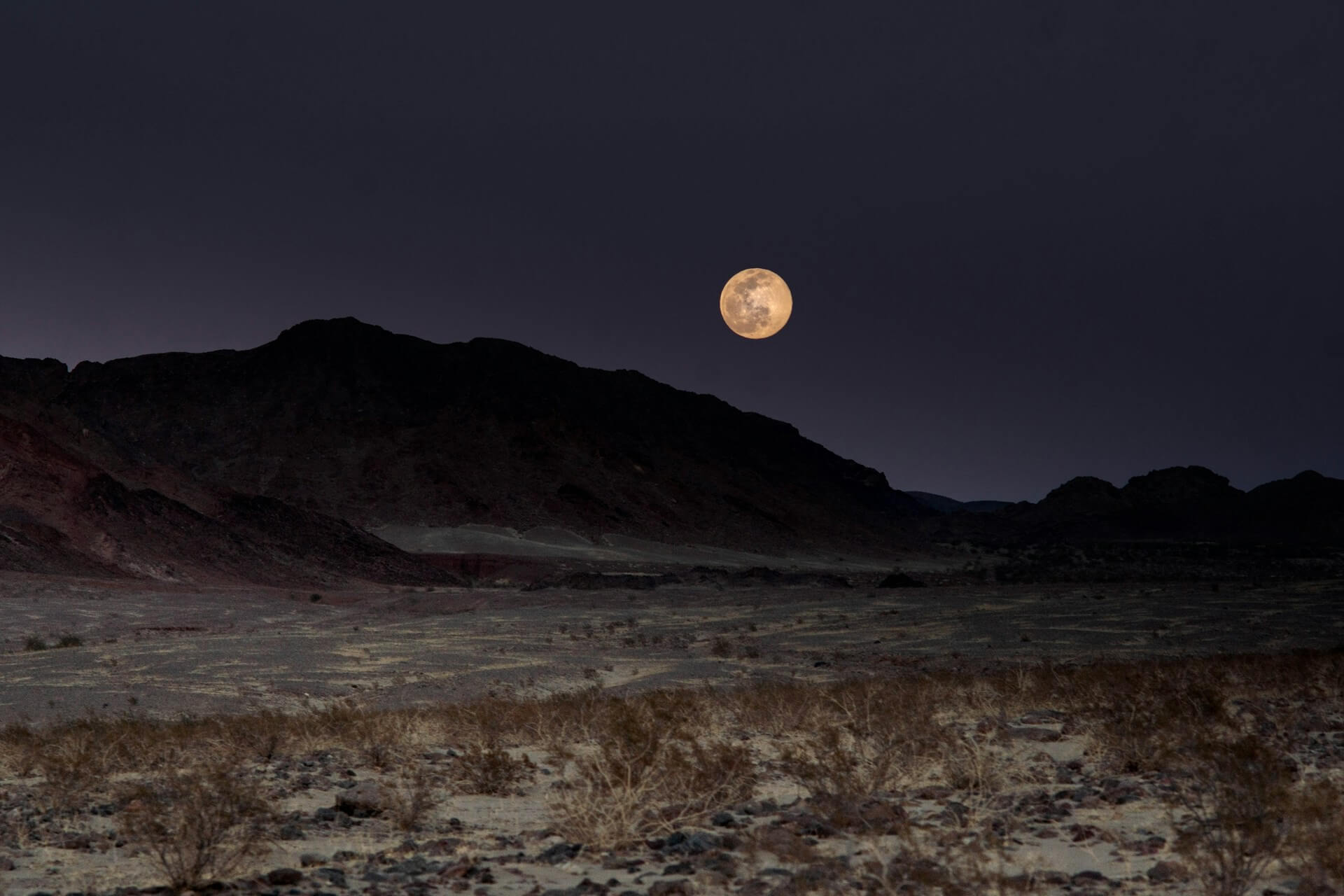
In the empty hall of Death Valley
constellations in night’s still sky
meaningless myths glaze the eyes.
Furtive moisture freezes heaves up boulders
walks them across the valley’s dry floor
leaves trailing grooves airplane pilots ignore
mark geological time that Lyell and Darwin know.
In winter woods the snow masks
deer trails from ridge to gravel road.
Nasca maps in Peru are indecipherable
under maelstrom’s shifting sands
ancient human etchings disappear.
The barn is not heated.
Stalls are cold
animal breath fumes
idling steam engines.
For each of us
our train starts at this station.
She’s pregnant. She’s due.
Nobody wants refugee riffraff in their home.
Nobody knows why the baby takes the longest time to cry.
Perhaps he is as astonished as I.
Clouds heal the open wound above and this moment ends.
We wonder,
will anyone ever discover what happened here?
When your birth is the death of superstition,
astrological prognostications |
horror myths | incantatory magic |
propitiatory sacrifice | natural omens |
acheri | golem | zombies | vampires
drop away—
dead scabs off frightened minds.
The only law is moral and in our hearts.
The great oak doors of the sky in silence slide close.
By nature we are blind and deaf.
There are no stars to steer by.
We navigate life by dead reckoning.
Night Storm
Night storm’s wind over the ridge top roars
Two engines pull 40 cars of gleaming black coal
Up Meadow Bridge’s uncompensated grade
Horn blasts
Scatter fragments of fleeting light
Field gates clank and chains jangle
Snow compiles complaints against implacable cabin walls
The first wave is bitter gray snow
Granulate ashes of memory
Blanket unblessed ground
The second is heavy with sigh
Cracks off frozen tree branches
With butcher’s finality
Your Illness is a wildfire
Autoignites combustion of flesh
Consumes us all within 451 degrees
Presses ever outward galaxies of pain
Where is the medical Kepler to piece the world together
His hands mend cut sheets of rag paper
To measure the ellipse of desolation
She traces her fingers
Daubed with salve
Over my mouth’s parched cusp
“Keep your lips moist” she says
Dawn opens the heart’s door
The Geology of Human Nature
In Autumn, frost encases the hulking Appalachian boulders
in field and woods so huge I can remove them only with the tractor loader
prying them loose, scooping their immobility into the groaning metal bucket
from their funeral burial in the mud floor of clay and thin sheet of mast.
Spring rains wash away the dirt and debris cloak, reveal the broad shoulders of granite
casual observers notice geological adolescence of growth, sense mountains in motion,
some dynamic underground muscle shoving pushing the monster into life.
Year by year the boulder rises, slides a few inches down the slope
until it lies, a monument to nature’s forces, impedes tractor mowers,
bends or breaks 3-inch wide, 3/8 inch thick, D2 hardness steel blades
flinging themselves 3-thousand times a minute against its resolute solidity.
I have watched farm boys with 5-foot iron prybars test strengthening manhood clearing land
of these boulders and their immobile cousins of stumps, wind-fallen trees, and rock slides.
Local folks build lore repeated with each change of ownership, with every generation,
how they did it before tractors, before enclosed cabs with air conditioning and cup holders,
drove teams of horses or oxen pushing single-tree wood yokes hooked to chains
wrapping the stone, shouting, kee-haw, kee-haw, hutt hutt, to the sweating beasts
perhaps with neighbors’ help, perhaps, long ago, with slaves,
drag it to a border, a line of trees or a natural marker, geological outcrop,
where they pile high a stone wall, poets will memorialize.
They tend the smooth field, over-seed, mow close,
dig out burdock and briars, to grow grazing and haying grass,
mix cool weather and hot weather grasses, spread manure, drain flood.
One evening then—it is always in summer—they walk their girlfriends across it,
site a house, later their pregnant wives, point out the birthing boulders
they will remove, come a hot summer day, who will say,
there, on that level stretch, there, I want our garden.